Views: 0 Author: Site Editor Publish Time: 2026-11-11 Origin: Site
Steel pipe sheet piles are key structural components in modern foundation engineering, combining large-diameter steel pipes with interlocking connections to form continuous retaining walls. Widely used in deep excavation support, waterfront development, cofferdams, and bridge foundations, they offer superior bending stiffness and lateral load resistance compared to conventional sheet piles. Engineers can customize pipe diameters, wall thicknesses, steel grades, and connector configurations, integrating wales, struts, or ground anchors for enhanced stability. Successful application requires careful consideration of soil conditions, groundwater levels, excavation depth, and corrosion protection.
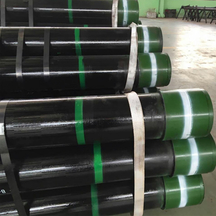
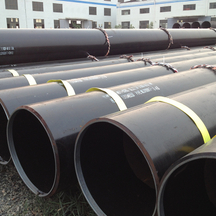
A steel pipe sheet pile is a type of retaining structure formed by connecting multiple steel pipe piles through interlocking joints or specially designed connectors. The connected pipes create a continuous wall that can retain soil, resist lateral pressure, and provide support during excavation and foundation construction.
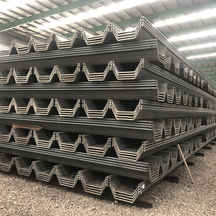
Unlike conventional steel sheet piles—manufactured from relatively thin, shaped steel sections—steel pipe sheet piles use large-diameter circular steel pipes as their main structural members. This design provides a larger cross-sectional area and high bending stiffness, making the system suitable for projects requiring substantial lateral load resistance.
Definition and Basic Concept
A steel pipe sheet pile system consists of individual steel pipes arranged side by side and connected through interlocking components. Each pipe acts as a primary structural member, while connectors join adjacent pipes to form an integrated retaining wall.
Steel pipe body – provides bending resistance and structural strength
Interlocking joints – help maintain continuity between neighboring piles and transfer forces through the connected wall system
Additional components – wales, struts, and ground anchors may be installed to improve overall stability
Steel pipe sheet piles can be used in temporary and permanent construction—typical applications include deep excavation support, bridge cofferdams, waterfront retaining walls, port facilities, and river engineering projects.
Main Characteristics
Characteristic | Key Points |
|---|---|
High bending stiffness | Large-diameter steel pipes provide substantial resistance to bending under lateral soil and water pressure |
Flexible structural design | Pipe diameter, wall thickness, steel grade, and pile length can be selected according to engineering requirements |
Interlocking connections | Special connectors allow individual pipes to form a continuous retaining wall |
Multiple support arrangements | Can be designed as a cantilever wall or combined with struts, wales, and ground anchors |
Potential for reuse | Steel components may be recovered and reused in suitable temporary projects, subject to condition and project requirements |
Common Types of Steel Pipe Sheet Pile Systems
System Type | Description |
|---|---|
Pipe piles with welded connectors | Special connecting elements attached to the steel pipe body to join adjacent piles |
Pipe piles with interlocking sections | Designed interlocking profiles connect neighboring pipes and help form a continuous wall |
Combined pipe and sheet pile systems | Large-diameter pipes connected with intermediate steel sheet pile sections to create a retaining structure with specific geometric and structural characteristics |
The appropriate configuration depends on wall stiffness requirements, connection strength, installation conditions, and water-sealing expectations.
The structural performance of a steel pipe sheet pile system depends on the design and coordination of several components. Unlike conventional steel sheet piles using formed steel sections, pipe sheet pile systems use large-diameter steel pipes connected through interlocking joints or specially designed connectors. These components work together to form a continuous retaining wall capable of resisting soil pressure, groundwater pressure, and other external loads.
Understanding the structural composition helps engineers select suitable materials, design reliable connections, and improve the stability of excavation and waterfront support systems.
Main Components at a Glance
Component | Structural Function | Key Considerations |
|---|---|---|
Steel pipe body | Primary load-bearing component; provides bending stiffness and structural strength | Outside diameter, wall thickness, steel grade, pipe length |
Interlocking joints and connectors | Connect adjacent piles into a continuous wall; maintain alignment and transfer forces | Connection strength, compatibility, installation tolerances, welding quality, water-sealing performance |
Supporting components | Improve overall stability and distribute loads | Wales, struts, ground anchors, connection plates and brackets |
Protective measures | Improve durability in aggressive environments | Protective coatings or corrosion allowances |
1. Main Steel Pipe Body
The primary load-bearing component of a pipe sheet pile system—providing bending stiffness and structural strength to resist lateral forces from surrounding soil and water.
Factor | Influence on Performance |
|---|---|
Outside diameter | Larger diameters can provide greater cross-sectional stiffness, depending on wall thickness and section design |
Wall thickness | Determines cross-sectional area, strength, and resistance to local deformation |
Steel grade | Affects yield strength, tensile strength, toughness, and weldability |
Pipe length | Must match required retaining depth and installation conditions |
Commonly manufactured using welded steel pipes, though the method depends on project specifications and production requirements. Material selection should be based on structural calculations and applicable standards.
2. Interlocking Joints and Connectors
Essential for connecting adjacent piles into a continuous wall—maintaining alignment and transferring forces between connected structural members.
Common arrangements: welded connector profiles, specially designed interlocking sections, and proprietary connection systems.
Selection Factor | Key Consideration |
|---|---|
Connection strength | Load transfer capacity |
Compatibility | Pipe diameter and wall thickness |
Installation | Tolerances and alignment requirements |
Welding quality | Connector durability |
Water-sealing | Where seepage control is required |
Important: interlocking connections do not automatically make a pipe sheet pile wall watertight. Additional sealing measures may be necessary depending on groundwater conditions and project requirements.
3. Connection Accessories and Supporting Components
Component | Function |
|---|---|
Wales | Horizontal steel members along the retaining wall to distribute lateral loads |
Struts | Compression members supporting opposing retaining walls and limiting inward movement |
Ground anchors | Tieback systems transferring retaining wall loads into stable soil or rock behind the excavation |
Connection plates and brackets | Connect pipes, wales, struts, and other structural members |
Protective coatings or corrosion allowances may also be included in the design, particularly for marine environments and aggressive soil conditions.
4. Structural Load Transfer Mechanism
When soil or groundwater exerts lateral pressure on a pipe sheet pile wall:
Steel pipe bodies resist the resulting bending forces
Interlocking connectors help maintain continuity between adjacent piles
Wales, struts, or anchors provide additional support when included in the design
The complete load transfer mechanism depends on pipe dimensions, connector performance, soil properties, groundwater levels, excavation depth, and support arrangement. Engineers must evaluate these factors through appropriate structural and geotechnical calculations.
Support System Comparison at a Glance
Support System | Structural Arrangement | Best Suited For | Key Considerations |
|---|---|---|---|
Cantilever | Vertical piles embedded in ground without struts or anchors | Relatively shallow excavations with sufficient soil resistance | Embedment depth, bending moment, soil resistance, wall deformation |
Braced excavation | Pipe piles plus wales and struts inside the excavation | Deep foundation pits, underground parking, metro projects, urban infrastructure | Number, spacing, and installation levels of struts |
Anchored | Pipe piles plus ground anchors or tiebacks extending into stable soil/rock | Selected deep excavations, waterfront structures, sites where internal working space matters | Anchor length, inclination, spacing, load capacity; underground utilities and property boundaries |
Cofferdam and waterfront | Temporary or permanent walls separating construction areas from soil or water | Bridge pier foundations, river crossings, port facilities, docks, marine construction | Groundwater seepage, corrosion exposure, installation depth, water-level changes |
1. Cantilever Retaining Systems
Piles are installed vertically into the ground without internal struts or external ground anchors. The embedded portion of each pile provides resistance against soil pressure, allowing the wall to support the excavation.
Generally considered for relatively shallow excavations or projects where soil conditions and pile embedment provide sufficient stability
Large-diameter steel pipes can offer considerable bending stiffness where higher lateral resistance is required
Important: cantilever walls may experience greater lateral displacement as excavation depth increases. Engineers must carefully calculate embedment depth, bending moment, soil resistance, and wall deformation.
2. Braced Excavation Support Systems
Horizontal structural members support retaining walls from inside the excavation. Steel pipe sheet piles act as the primary retaining elements, while wales and struts distribute and resist lateral loads.
Wales – installed horizontally along the retaining wall to collect loads from pipe piles
Struts – connect opposing walls and provide compression support, helping limit inward movement
Commonly used in: deep foundation pits, underground parking construction, metro projects, and other urban infrastructure developments. The number, spacing, and installation levels of struts depend on excavation depth, soil conditions, and engineering calculations.
3. Anchored Retaining Systems
Use ground anchors or tiebacks to provide additional support. Anchors extend from the retaining wall into stable soil or rock behind the excavation and transfer tensile forces away from the wall.
Advantages: can reduce bending demands and lateral displacement while keeping the excavation interior relatively free of horizontal struts—useful for selected deep excavations, waterfront structures, and sites where internal working space is important.
Design requirements: anchor length, inclination, spacing, and load capacity must be determined through geotechnical investigation and structural design. Check underground utilities, neighboring structures, and property boundaries before installation.
4. Cofferdam and Waterfront Support Systems
Used in cofferdams and waterfront retaining structures—forming temporary or permanent walls that separate construction areas from surrounding soil or water.
Typical projects: bridge pier foundations, river crossings, port facilities, docks, and marine construction. Large-diameter pipe sections can provide the structural stiffness needed to resist soil and water pressure.
Waterfront projects require particular attention to: groundwater seepage, corrosion exposure, installation depth, and water-level changes. Interlocking connectors may help improve wall continuity, but additional sealing and groundwater control measures may be necessary.
Steel pipe sheet piles are widely used in civil engineering and infrastructure projects that require strong retaining structures and reliable foundation support. By connecting large-diameter steel pipes through interlocking joints or specialized connectors, engineers can create continuous walls that resist lateral soil pressure and groundwater forces.
Compared with conventional steel sheet piles, steel pipe sheet pile systems can provide greater bending stiffness through their large tubular sections. Their dimensions and connection configurations can also be customized according to project requirements—making them suitable for deep excavation, waterfront construction, bridge foundations, and industrial infrastructure.
Application Overview
Application Area | Typical Uses | Key Considerations |
|---|---|---|
Deep excavation and foundation pits | Basements, underground parking, metro stations, utility tunnels | Cantilever or braced systems; wall deformation control through engineering calculations |
Ports, wharves, and waterfront engineering | Quay structures, waterfront retaining walls, marine foundations | Corrosion protection—seawater exposure, tidal conditions, soil chemistry, service life |
Bridge and river engineering | Cofferdams around piers and abutments, riverbank retaining structures | Installation depth, seepage control, water-level changes |
Industrial and municipal infrastructure | Equipment foundations, drainage/wastewater facilities, utility trenches, flood protection | Flexible dimensions and support configurations per site conditions |
1. Deep Excavation and Foundation Pits
Deep excavation projects often require retaining structures to prevent surrounding soil from collapsing into construction areas. Steel pipe sheet piles can be installed around foundation pits to provide lateral support during excavation.
Common applications:
Basement and underground parking construction
Metro stations and underground transportation facilities
Deep foundation pits for commercial and industrial buildings
Underground utility tunnels and infrastructure facilities
Depending on excavation depth and soil conditions, walls can be designed as cantilever systems or supported by wales, struts, and ground anchors. Proper engineering calculations are necessary to control wall deformation and maintain excavation stability.
2. Ports, Wharves, and Waterfront Engineering
Waterfront construction is another important application. Ports, docks, terminals, and wharves require retaining structures capable of resisting soil pressure, groundwater pressure, and other environmental loads.
Steel pipe sheet pile walls can be used in quay structures, waterfront retaining walls, and marine foundation projects. Their structural stiffness suits applications with large lateral loads.
Corrosion protection is particularly important in marine environments. Evaluate seawater exposure, tidal conditions, soil chemistry, and expected service life when selecting steel grades, coatings, and corrosion allowances.
3. Bridge and River Engineering
Bridge construction frequently requires temporary or permanent support structures near rivers and other water bodies. Steel pipe sheet piles are commonly used to construct cofferdams around bridge piers and abutments.
A cofferdam creates an enclosed working area, helping isolate the foundation construction zone from surrounding water and soil—allowing excavation, foundation preparation, and concrete construction under more controlled conditions.
Steel pipe sheet piles can also be used in riverbank retaining structures and waterway protection projects. Consider installation depth, seepage control, and water-level changes during design.
4. Industrial and Municipal Infrastructure
Typical examples:
Industrial equipment foundations and underground facilities
Municipal drainage and wastewater infrastructure
Utility trenches and underground pipeline construction
Riverbank reinforcement and flood protection works
Temporary retaining structures at construction sites
Steel pipe sheet piles are widely used in foundation engineering, deep excavation, waterfront construction, and infrastructure development. Their structural design combines large-diameter steel pipes with interlocking connectors to form continuous retaining walls. Compared with some conventional retaining systems, they offer several advantages in bending stiffness, structural flexibility, and application range.
However, steel pipe sheet piles also have certain limitations related to material costs, installation requirements, connection design, and corrosion protection. Understanding both advantages and disadvantages helps engineers and contractors determine whether they suit specific projects.
Advantages and Limitations at a Glance
Advantages | Limitations |
|---|---|
High bending stiffness | Higher initial material costs |
Flexible structural design | Specialized installation requirements |
Wide range of applications | Connection design complexity |
Potential for reuse and recycling | Corrosion risks |
Compatibility with different support systems | Noise and vibration during installation |
Main Advantages of Steel Pipe Sheet Piles
Advantage | Key Points |
|---|---|
High bending stiffness | Large-diameter tubular sections provide considerable resistance to bending under lateral soil and water pressure—suitable for projects requiring relatively high retaining wall stiffness |
Flexible structural design | Select different pipe diameters, wall thicknesses, steel grades, and pile lengths; connector configurations adjustable to specific structural and installation conditions |
Wide range of applications | Deep excavation support, bridge cofferdams, waterfront retaining walls, port facilities, and underground infrastructure; can be incorporated into cantilever, braced, and anchored support systems |
Potential for reuse and recycling | In suitable temporary projects, piles may be extracted and reused if structural condition, connectors, and dimensions remain acceptable; steel is also recyclable |
Compatibility with different support systems | Can be combined with wales, struts, and ground anchors—allowing support arrangements based on excavation depth, site conditions, and construction requirements |
Potential Limitations of Steel Pipe Sheet Piles
Limitation | Key Points |
|---|---|
Higher initial material costs | Large-diameter pipes and specially designed connectors may require greater material and fabrication investment than some conventional systems |
Specialized installation requirements | Large and heavy pipe piles may require suitable cranes, pile-driving equipment, and experienced installation teams; transportation, lifting, and positioning can be challenging on restricted sites |
Connection design complexity | Performance depends partly on connector strength, welding quality, alignment, and installation accuracy—poorly designed or installed connections may affect wall continuity and structural behavior |
Corrosion risks | Seawater, aggressive soil, or industrial environments may cause corrosion; appropriate coatings, corrosion allowances, material selection, and maintenance are necessary |
Noise and vibration during installation | Vibratory or impact pile driving may generate noise and ground vibration—problematic near existing buildings, underground utilities, and sensitive infrastructure; alternative methods should be evaluated where necessary |
Steel Pipe Sheet Piles vs. Conventional Steel Sheet Piles
Comparison Factor | Steel Pipe Sheet Piles | Conventional Steel Sheet Piles |
|---|---|---|
Main cross-section | Large-diameter circular pipes | Formed steel sections |
Bending stiffness | Can provide high stiffness through large tubular sections | Depends on section shape and dimensions |
Connection system | Special connectors or interlocking joints | Integrated sheet pile interlocks |
Typical applications | Heavy retaining structures and waterfront projects | General excavation and earth-retaining works |
Installation requirements | May require equipment suitable for large, heavy pipes | Depends on section size and site conditions |
Initial cost | Can be higher depending on pipe and connector specifications | Often economical for suitable retaining applications |
Selecting suitable steel pipe sheet piles is essential for ensuring the safety, stability, and cost-effectiveness of retaining structures and foundation support systems. Different projects have different requirements for structural strength, wall stiffness, corrosion resistance, and installation performance—engineers and contractors should evaluate several technical and practical factors before purchasing.
Selection Factors at a Glance
Factor | What to Evaluate |
|---|---|
Project requirements | Application type (deep excavation, cofferdam, waterfront, etc.); required service life (temporary vs. permanent) |
Pipe diameter and wall thickness | Bending strength, wall stiffness, excavation depth, earth pressure, groundwater, embedment depth, deflection limits, handling capability |
Steel grade and mechanical properties | Yield/tensile strength, toughness, weldability; material certificates, chemical/mechanical test results, traceability |
Connector and interlocking system | Compatibility, connection strength, fabrication quality, installation requirements; additional sealing if seepage control is needed |
Soil and groundwater conditions | Soil strength, groundwater fluctuations, excavation depth, nearby structures, possible ground movement |
Corrosion protection and service life | Protective coatings, coating systems, corrosion allowances; inspection and maintenance requirements |
Installation method and total cost | Vibratory/impact driving or pressing; equipment availability, noise/vibration limits, transportation, lifting, efficiency |
1. Project Requirements and Application Conditions
Identify the intended application—steel pipe sheet piles are commonly used in deep excavation, foundation pits, bridge cofferdams, ports, waterfront structures, and river engineering.
Deep excavation – may require sufficient lateral resistance to control soil movement
Waterfront structures – must also consider water pressure, wave action, and possible water-level changes
Service life – temporary retaining structures and permanent waterfront walls may require different material specifications and protection measures
2. Pipe Diameter and Wall Thickness
Larger diameters can provide greater bending stiffness; thicker walls generally increase resistance to bending and local deformation.
Consider:
Required bending strength and wall stiffness
Excavation depth and lateral earth pressure
Groundwater conditions and external loads
Required embedment depth and structural deflection limits
Transportation, lifting, and installation capabilities
Determine final dimensions through structural and geotechnical calculations—not price or availability alone.
3. Steel Grade and Mechanical Properties
Different grades provide different yield strengths, tensile strengths, toughness, and weldability. The selected material should meet the project's design requirements and applicable material specifications.
For projects involving low temperatures, dynamic loads, or demanding construction conditions, pay particular attention to impact toughness and other relevant mechanical properties.
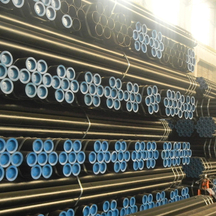
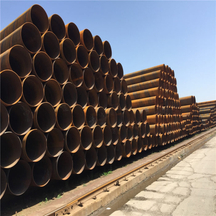
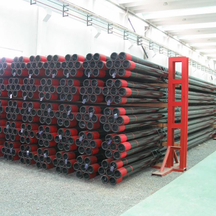
Supplies steel pipe sheet piles for deep excavation, foundation pits, bridge cofferdams, ports, and waterfront retaining walls. Products include large-diameter and thick-walled steel pipe piles, interlocking connector systems, and customized solutions based on project drawings. Selection should consider pipe diameter, wall thickness, length, steel grade, connector compatibility, dimensional tolerances, and applicable standards. Quality inspection covers chemical composition, mechanical properties, weld quality, connector fabrication, non-destructive testing, surface condition, and protective coating, supported by material test certificates and inspection reports. For international orders, we coordinate export packaging, bundling, documentation, and global shipping. To request a quotation, please provide the pipe diameter, wall thickness, length, steel grade, connector type, quantity, inspection requirements, and destination port.
Steel pipe sheet piles form continuous retaining walls by connecting large-diameter steel pipes through interlocking joints, providing reliable support against lateral soil and water pressure. Commonly used in deep excavation, basement construction, bridge cofferdams, ports, and waterfront projects, they can be designed as cantilever, internally braced, or anchored systems. Selection should consider pipe diameter, wall thickness, steel grade, connector performance, soil and groundwater conditions, installation methods, and corrosion protection. Compared with conventional steel sheet piles, they offer greater bending stiffness and design flexibility, while the final choice depends on engineering requirements, site conditions, and total project costs.
FAQ:
1. What is a steel pipe sheet pile?
A steel pipe sheet pile is a retaining wall system made by connecting large-diameter steel pipe piles through interlocking joints or specialized connectors.
2. What are the main structural components of a steel pipe sheet pile system?
The main components include steel pipe bodies, interlocking connectors, and supporting elements such as wales, struts, and ground anchors.
3. What is the difference between steel pipe sheet piles and conventional steel sheet piles?
Steel pipe sheet piles use large-diameter circular pipes connected by joints, while conventional sheet piles use specially formed steel sections with integrated interlocks.
4. What are the common applications of steel pipe sheet piles?
They are commonly used in deep excavations, foundation pits, bridge cofferdams, ports, waterfront retaining walls, and underground infrastructure.
5. How do interlocking connectors work in a steel pipe sheet pile wall?
They connect adjacent pipe piles, maintain wall continuity and alignment, and transfer forces as designed.
About Us / News / Product / Project / Quality Assurance / Service / Contact Us