Views: 5 Author: Site Editor Publish Time: 2026-05-26 Origin: Site
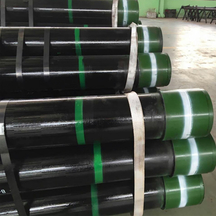
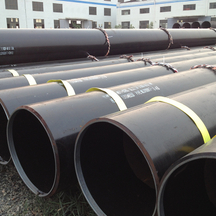
API 5L and ASTM A106 are the two most common standards for seamless carbon steel pipes, yet they serve distinct industrial purposes. API 5L pipes are specifically engineered for pipeline transportation in the oil and gas industry, prioritizing strength, toughness, and safety for transporting crude oil and natural gas over long distances.
In contrast, ASTM A106 pipes are designed for high-temperature and high-pressure piping systems, making them ideal for power plants, refineries, boilers, and chemical processing facilities handling steam or hot fluids. While they may look similar, their differences in chemical composition, mechanical properties, and testing requirements are significant. Selecting the correct specification is essential to ensure operational safety, prevent costly maintenance issues, and achieve full compliance with international engineering standards.
What Is API 5L Seamless Steel Pipe?
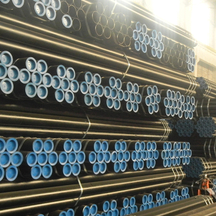
API 5L seamless steel pipe is a specialized carbon steel product developed by the American Petroleum Institute, specifically engineered for the oil and gas industry. It is primarily used to transport fluids such as crude oil, natural gas, and water over long distances onshore and offshore pipeline networks. Being seamless, these pipes lack welding seams, which significantly enhances their structural integrity, uniformity, and resistance to high internal pressure.
These pipes are available in various grades, ranging from Grade B to high-strength variants like X42, X52, X60, and X65. The "X" grades denote higher yield strength, making them ideal for demanding high-pressure transmission systems. API 5L pipes are characterized by excellent mechanical performance, including high tensile strength, superior toughness, and reliable weldability. To ensure safety and compliance, they undergo rigorous testing, including hydrostatic tests, non-destructive inspections (such as ultrasonic or radiographic), and strict dimensional verifications. Due to their durability and ability to withstand harsh environmental conditions, API 5L seamless pipes remain a fundamental component of global energy infrastructure and modern pipeline engineering.
What Is ASTM A106 Seamless Carbon Steel Pipe?
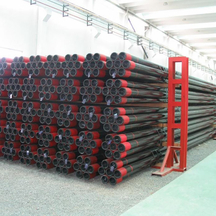
ASTM A106 seamless carbon steel pipe is a standard product designed specifically for high-temperature and high-pressure industrial piping systems. Unlike pipeline-specific standards like API 5L, ASTM A106 focuses on process piping applications where heat resistance and pressure stability are critical. Manufactured without welded seams, these pipes offer uniform structural integrity and strong mechanical performance, effectively reducing the risk of weak points under stress or temperature fluctuations.
Available in three grades—Grade A, Grade B (the most widely used), and Grade C—these pipes are selected based on specific pressure levels and design requirements. Their excellent ability to withstand elevated temperatures makes them ideal for transporting steam, hot oil, and gas in power plants, refineries, petrochemical facilities, and boiler systems. To ensure safety and quality, ASTM A106 pipes undergo rigorous testing, including hydrostatic tests, mechanical property checks, and dimensional inspections. This combination of strength, heat resistance, and reliability establishes ASTM A106 as an essential material for critical engineering applications worldwide.
Key Differences Between API 5L and ASTM A106 Pipes
Comparison Dimension | API 5L Seamless Steel Pipe | ASTM A106 Seamless Carbon Steel Pipe |
Primary Application | Long-distance pipeline transportation systems (oil, gas, water). | High-temperature & high-pressure process piping within industrial facilities. |
Service Focus | Pipeline integrity, field weldability, and toughness for transmission networks. | Stability under elevated temperatures (e.g., steam lines, hot oil systems). |
Mechanical Properties | Grades (like X52, X65) are defined by yield strength for pressure resistance. | Focuses on tensile strength and heat resistance (commonly Grade B). |
Testing Requirements | Extensive testing, including toughness/impact tests (especially for low temps). | Hydrostatic pressure, tensile strength, and dimensional accuracy checks. |
Typical Usage Context | Cross-country pipelines, offshore platforms, energy infrastructure. | Refineries, power plants, chemical plants, and boiler systems. |
Selection Priority | Chosen for transportation efficiency and long-distance durability. | Selected for high-temperature resistance and internal process reliability. |
How to Choose Between API 5L and ASTM A106 Pipes
Selection Factor | Decision Guidelines |
Application Type | API 5L: Long-distance oil/gas/water pipelines. |
Operating Temperature | ASTM A106: High-temperature steam or hot oil systems. |
Pressure Conditions | API 5L: Focuses on long-distance pipeline integrity. |
Material Grade Options | API 5L: Strength grades like X42, X52, X60, X65. |
Standards & Compliance | Strictly review design codes; ensure compliance with specific ASTM or API project requirements for safety approval. |
Cost & Availability | API 5L: Large-scale projects prioritizing transport efficiency. |
Our Recommended Seamless Carbon Steel Pipe Products and Global Shipping Services
We provide premium seamless carbon steel pipes compliant with API 5L and ASTM A106 standards, ensuring safety and durability for global industrial projects. For long-distance oil and gas transmission, we recommend API 5L pipes (Grades B, X42-X65), known for superior strength and pressure resistance. For high-temperature systems in power plants and refineries, our ASTM A106 Grade B pipes offer excellent heat stability.
All products come with full Mill Test Certificates (MTC) and support third-party inspections like ultrasonic testing to guarantee quality. We also offer customized specifications to meet specific engineering needs. Backed by professional global logistics, we deliver reliable shipping solutions to Asia, Europe, the Americas, and beyond. Partner with us for cost-effective, high-performance piping solutions tailored to your project requirements.
Conclusion
API 5L and ASTM A106 seamless carbon steel pipes are both essential in modern engineering but serve distinct purposes. API 5L is specifically designed for long-distance pipeline transportation of oil, gas, and water, prioritizing high-pressure resistance, weldability, and toughness across large-scale energy infrastructure. In contrast, ASTM A106 is engineered for high-temperature process piping within power plants, refineries, and chemical facilities, offering stable performance when transporting steam or hot fluids.
Although both are seamless carbon steel products, their design focuses differ significantly: API 5L ensures integrity over vast distances, while ASTM A106 guarantees stability under extreme heat and internal pressure. Proper selection based on operating temperature, pressure requirements, and industry specifications is crucial to ensure system safety and efficiency.
Ultimately, choosing the right pipe standard is a vital step in reducing operational risks and maintenance costs. By understanding the unique strengths of API 5L and ASTM A106, engineers can secure reliable, compliant, and long-lasting solutions for diverse global industrial projects.
FAQ;
(1) What is the main difference between API 5L and ASTM A106 pipes?
API 5L is mainly used for oil and gas pipeline transportation
ASTM A106 is mainly used for high-temperature pressure piping systems
(2) Can API 5L pipes replace ASTM A106 pipes?
Depends on project requirements and operating conditions
Engineering approval and specification review are necessary
(3) Which pipe is better for high-temperature applications?
ASTM A106 is generally preferred for high-temperature service
(4) Are both API 5L and ASTM A106 seamless pipes available with testing certificates?
Yes, certified manufacturers provide full inspection and testing documentation
About Us / News / Product / Project / Quality Assurance / Service / Contact Us