Views: 0 Author: Site Editor Publish Time: 2026-07-06 Origin: Site
T92 alloy steel pipes are advanced high-temperature materials engineered for extreme conditions in ultra-supercritical power plants and petrochemical systems. Offering superior creep strength and microstructural stability compared to T91, T92 excels in superheaters, reheaters, and high-temperature steam pipelines. Its excellent resistance to heat, pressure, and oxidation significantly extends system service life, minimizes maintenance downtime, and reduces overall lifecycle costs.
However, T92's advanced composition requires strict fabrication control. Precise welding procedures and appropriate heat treatments are essential to ensure stable performance and prevent failure. Consequently, selecting high-quality T92 alloy steel pipes from capable suppliers is a critical engineering decision for ensuring safety, efficiency, and long-term reliability in demanding industrial applications.
What Are T92 Alloy Steel Pipes?
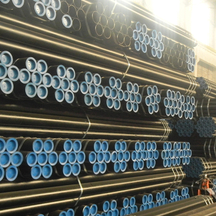
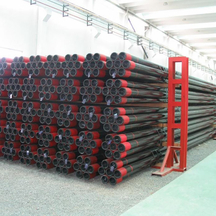
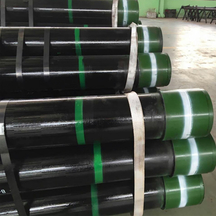
T92 alloy steel pipes are high-performance chromium-molybdenum (Cr-Mo) tubes designed for extremely high-temperature and high-pressure environments. As an advanced ferritic/martensitic steel, T92 serves as an upgraded alternative to T91, offering superior creep strength and long-term thermal stability for ultra-supercritical power plants and heavy industrial systems.
The material's exceptional performance is driven by a precise chemical composition. By incorporating chromium, molybdenum, tungsten, vanadium, and nitrogen, T92 achieves enhanced oxidation resistance, steam corrosion protection, and stable mechanical properties under continuous thermal stress.
Manufacturing T92 pipes requires strict metallurgical control. The process involves precise alloy melting, hot rolling or cold drawing, and critical normalizing and tempering heat treatments to refine the microstructure. Every pipe undergoes rigorous quality control, including non-destructive ultrasonic testing, to ensure strict compliance with ASTM/ASME standards.
Ultimately, T92 alloy steel pipes are specialized engineering components. Their ability to maintain structural integrity and resist long-term deformation makes them indispensable for modern energy generation and petrochemical facilities, ensuring decades of safe, reliable, and highly efficient industrial operation.
Advantages of T92 Alloy Steel Pipes
T92 alloy steel pipes are widely preferred in ultra-supercritical power plants and high-temperature industrial applications due to their superior performance under extreme heat and pressure. Compared to earlier grades like T91, T92 offers enhanced mechanical properties that ensure long-term structural stability, operational safety, and significant economic benefits.
Below is a summary of the key advantages of T92 alloy steel pipes:
Key Advantage | Performance Benefits & Industrial Value |
High-Temperature Strength | Retains structural integrity under continuous thermal loading, preventing deformation in superheaters and reheaters. |
Superior Creep Resistance | Resists slow, permanent deformation under constant stress and heat, ensuring reliable long-term operation. |
Oxidation & Corrosion Resistance | Chromium forms a protective oxide layer that minimizes steam corrosion, extending service life and reducing maintenance. |
Lower Lifecycle Cost | Extended durability reduces the frequency of shutdowns and replacement costs, delivering significant long-term economic savings. |
Thermal Stability | Stable microstructure resists damage from repeated heating and cooling cycles, minimizing thermal fatigue cracking. |
Enhanced Performance | Offers better creep strength than T91, enabling higher steam parameters and improved overall plant efficiency. |
Applications of T92 Alloy Steel Pipes
T92 alloy steel pipes are essential components in modern industrial systems, specifically engineered to withstand extremely high-temperature and high-pressure environments. Their superior creep resistance and thermal stability make them the preferred choice for critical infrastructure where safety, efficiency, and long-term reliability are paramount.
Below is a summary of the primary applications of T92 alloy steel pipes:
Application Sector | Key Uses & Industrial Value |
Power Generation | Essential for ultra-supercritical (USC) and supercritical boilers. Used in superheaters and reheaters to maintain strength at extreme temperatures, directly improving plant efficiency and reducing fuel consumption. |
Boilers & Heat Exchangers | Safely transports high-pressure steam between heating stages. Ensures efficient heat transfer and structural integrity while resisting scaling and oxidation in continuous thermal cycles. |
Petrochemical & Refining | Applied in high-temperature process units, furnace tubes, and heat recovery systems. Withstands extreme heat and corrosive conditions during hydrocarbon processing and catalytic cracking. |
Oil & Gas Processing | Utilized in gas treatment facilities, refining units, and high-temperature transfer lines. Provides critical strength and stability in complex processing systems where failure is unacceptable. |
Industrial High-Temp Systems | Supports continuous operation in chemical processing and thermal recovery plants. Prevents costly downtime by maintaining reliable performance under constant thermal stress. |
Emerging Energy Projects | Key material for next-generation high-efficiency energy systems. Supports advanced thermal cycles required for sustainable energy production and emissions reduction. |
Key Considerations for Selecting T92 Alloy Steel Pipes
Selecting T92 alloy steel pipes for high-temperature and high-pressure applications requires a comprehensive evaluation of technical requirements and operating conditions. Because these pipes are integral to critical infrastructure like power plants and petrochemical facilities, a structured selection process is essential to ensure safety, long-term reliability, and optimal system efficiency.
Below is a summary of the key considerations for selecting T92 alloy steel pipes:
Selection Factor | Key Considerations & Best Practices |
Operating Environment | Confirm that the pipe grade safely handles continuous and peak temperatures, pressures, and thermal cycling specific to the ultra-supercritical system. |
Dimensions & Wall Thickness | Align outer diameter and length with design specs. Balance wall thickness to ensure adequate pressure resistance without increasing thermal stress during heating cycles. |
Welding & Fabrication | Verify fabrication facilities have experience with Cr-Mo alloys. Ensure proper preheating and post-weld heat treatment (PWHT) procedures are in place to prevent cracking. |
Standards Compliance | Ensure pipes strictly comply with recognized ASTM and ASME specifications for chemical composition, mechanical properties, and testing procedures. |
Inspection & Testing | Require Material Test Certificates (MTC) and non-destructive testing (UT, RT, hardness tests). Utilize third-party inspections for high-risk applications. |
Lifecycle Cost | Prioritize long-term performance over initial costs. High-quality T92 pipes resist creep and oxidation, significantly reducing maintenance frequency and operational downtime. |
Supplier Capability | Choose experienced manufacturers with advanced production facilities, strict quality control systems, and the ability to provide technical support and customization. |
Advantages of Using T92 Alloy Steel Pipes in Industrial Projects
T92 alloy steel pipes deliver exceptional advantages for industrial projects operating under extreme high-temperature and high-pressure conditions. A primary benefit is enhanced thermal efficiency; by supporting higher steam parameters in ultra-supercritical systems, T92 improves energy conversion and significantly reduces fuel consumption.
Engineered for superior long-term stability, T92 maintains its mechanical strength and microstructure under continuous thermal stress. This excellent creep and oxidation resistance minimizes material degradation, directly translating to reduced maintenance needs and fewer unplanned shutdowns. Consequently, it ensures high system availability for continuous industrial operations.
Safety and longevity are further enhanced by T92's strong resistance to thermal fatigue and pressure fluctuations, mitigating the risk of catastrophic failures in critical infrastructure. Designed for extended service life, these pipes reduce the frequency of replacements, offering a highly cost-effective solution with lower overall lifecycle costs.
Furthermore, T92's compatibility with advanced energy systems makes it indispensable for next-generation power plants and petrochemical facilities. By enabling higher operating parameters, T92 alloy steel pipes not only ensure operational security but also align with global initiatives for cleaner, more efficient energy production.
Conclusion
T92 alloy steel pipes are high-performance materials engineered for extremely high-temperature and high-pressure environments. With superior creep resistance and thermal stability, they are essential for ultra-supercritical power plants, petrochemical systems, and boiler applications.
Beyond mechanical excellence, T92 offers significant long-term economic value. Its extended service life and reduced maintenance requirements translate to lower overall lifecycle costs, making it highly cost-effective for large-scale industrial projects.
However, maximizing these benefits requires precise application. Proper evaluation of operating conditions, strict control over welding and heat treatment, and rigorous quality inspection are crucial to maintaining material integrity. Partnering with qualified manufacturers ensures compliance with international standards and reliable performance.
As global industries advance toward higher efficiency and lower emissions, T92 alloy steel pipes will remain a critical component in next-generation energy systems, providing a dependable foundation for safe, durable, and highly efficient industrial operations.
FAQ:
(1) What is T92 alloy steel pipe used for?
Applications in boilers, superheaters, petrochemical systems, and power plants
(2) What is the difference between T91 and T92 alloy steel pipes?
Comparison of strength, creep resistance, and temperature performance
(3) Are T92 alloy steel pipes suitable for welding?
Welding requirements and heat treatment considerations
(4) What standards apply to T92 alloy steel pipes?
ASTM/ASME compliance and inspection requirements
About Us / News / Product / Project / Quality Assurance / Service / Contact Us