Views: 0 Author: Site Editor Publish Time: 2026-11-13 Origin: Site
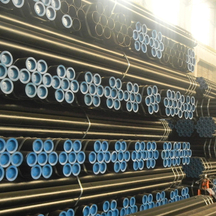
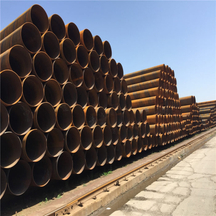
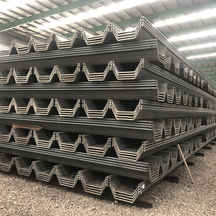
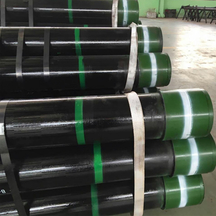
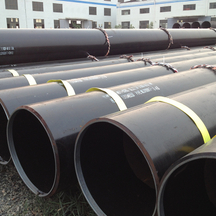
Steel pipe sheet piles are widely used in coastal protection and port engineering for their high strength, load-bearing capacity, and adaptability to marine environments. Made from high-strength steel pipes with interlocking joints, they form continuous retaining walls that resist soil pressure, water pressure, wave action, and heavy port loads. Typical applications include seawalls, shoreline reinforcement, flood barriers, quay walls, wharves, and dock basins. Large-diameter steel pipe sheet piles provide greater bending resistance and structural stiffness than conventional sheet piles, making them suitable for demanding geotechnical and waterfront projects. Installation methods include vibratory hammers, impact hammers, and hydraulic press-in equipment, with customizable diameter, wall thickness, steel grade, and protective coating.
Structural Characteristics and Advantages of Steel Pipe Sheet Piles
Steel pipe sheet piles are designed to provide strong and stable retaining structures for coastal protection, port construction, and other marine engineering projects. Their structural design combines the strength of large-diameter steel pipes with interlocking connections, creating a continuous wall that can resist significant lateral forces. Understanding their main structural characteristics helps engineers select suitable piling systems for different project conditions.
Key Advantages at a Glance
Advantage | Key Points |
|---|---|
High bending strength and load capacity | Circular cross-section resists bending moments; suitable for heavy soil pressure, water pressure, and wave loads; large-diameter pipes with appropriate wall thickness provide stiffness for deep excavation, quay walls, and coastal retaining structures |
Reliable interlocking connections | Specially designed joints or connectors form a continuous retaining wall and maintain structural alignment; may help reduce water seepage depending on connection design |
Excellent lateral force resistance | Transfers lateral forces from soil, seawater, waves, and tidal changes into surrounding soil through embedded sections; suitable for seawalls, quay walls, and long-term retaining systems |
Adaptability to different soil conditions | Manufactured in different diameters, wall thicknesses, lengths, and steel grades; specifications selected according to geological conditions, water depth, and loading requirements |
Flexible corrosion protection | Anti-corrosion coatings, hot-dip galvanizing where applicable, or cathodic protection systems; method depends on water conditions, soil characteristics, design life, and maintenance requirements |
Construction efficiency and reusability | Prefabricated and transported to site, reducing on-site fabrication; temporary piling systems may be extracted and reused |
1. High Bending Strength and Load-Bearing Capacity
One of the most important advantages—the circular cross-section provides good resistance to bending moments, making steel pipe sheet piles suitable for structures exposed to heavy soil pressure, water pressure, and wave loads.
Large-diameter pipes with appropriate wall thicknesses can provide the stiffness required for deep excavation support, quay walls, and coastal retaining structures.
2. Reliable Interlocking Connections
Steel pipe sheet piles are connected through specially designed interlocking joints or connectors—these connections allow individual piles to form a continuous retaining wall while maintaining structural alignment.
Depending on the connection design, they can also help reduce water seepage through the pile wall. Proper joint selection, welding, and installation are essential to ensure overall system performance.
3. Excellent Resistance to Lateral Forces
Coastal and port structures are frequently exposed to lateral forces from soil, seawater, waves, and tidal changes—steel pipe sheet piles can effectively transfer these forces into the surrounding soil through their embedded sections.
Their structural strength makes them suitable for seawalls, quay walls, and other retaining systems that require long-term stability.
4. Adaptability to Different Soil Conditions
Steel pipe sheet piles can be manufactured in different diameters, wall thicknesses, lengths, and steel grades—this flexibility allows engineers to select suitable specifications according to geological conditions, water depth, and project loading requirements.
They can be used in various soil environments—installation methods and pile penetration depths must be determined through site investigations.
5. Flexible Corrosion Protection Options
Marine environments contain saltwater and moisture, which can accelerate steel corrosion. To improve durability, steel pipe sheet piles can be protected with:
Suitable anti-corrosion coatings
Hot-dip galvanizing where applicable
Cathodic protection systems
The appropriate protection method depends on water conditions, soil characteristics, design life, and maintenance requirements.
6. Construction Efficiency and Reusability
Steel pipe sheet piles can be prefabricated and transported to construction sites, reducing certain on-site fabrication activities.
Depending on project design, temporary piling systems may also be extracted and reused—their installation flexibility helps contractors adapt to different construction environments and project schedules.
Major Applications of Steel Pipe Sheet Piles in Coastal Protection
Steel pipe sheet piles play an important role in modern coastal protection projects. Coastal areas are constantly exposed to waves, tides, seawater erosion, storm surges, and changing soil conditions—these factors can gradually damage shorelines, weaken coastal foundations, and threaten nearby infrastructure. With their high bending strength, structural stability, and flexible installation options, steel pipe sheet piles provide an effective solution for reinforcing coastal structures and reducing erosion risks.
Application Overview
Application Area | Typical Use | Key Considerations |
|---|---|---|
Seawall construction | Retaining walls along shorelines; permanent structures or combined with concrete for reinforced seawall systems | Lateral water pressure, wave forces, soil pressure |
Shoreline reinforcement and erosion control | Retaining soil along vulnerable shorelines; reducing movement of coastal materials | Shoreline stability; may combine with rock protection, concrete blocks, or other erosion-control measures |
Flood protection and storm surge barriers | Flood protection walls and supporting structures | Water-tightness; proper joint design and sealing measures |
Riverbank and estuary protection | Retaining support to prevent bank collapse and reduce soil erosion | Flowing water, tidal changes, soil movement; adaptable dimensions for different water depths and geological conditions |
Coastal embankment and revetment support | Retaining backfill materials, stabilizing slopes, improving structural integrity | Compact retaining solution where space is limited |
Protection of coastal infrastructure | Retaining walls and foundation support for ports, roads, bridges, industrial facilities | High load-bearing capacity for heavy infrastructure |
1. Seawall Construction
Seawalls protect coastal land from wave action and seawater intrusion—steel pipe sheet piles are commonly installed to form retaining walls along shorelines.
Their strong structural capacity helps resist lateral water pressure, wave forces, and soil pressure. Depending on project requirements, they can be used as permanent retaining structures or combined with concrete and other materials to create reinforced seawall systems.
2. Shoreline Reinforcement and Erosion Control
Coastal erosion can gradually remove soil and weaken the stability of beaches, river mouths, and waterfront areas.
Steel pipe sheet piles can be installed along vulnerable shorelines to retain soil and reduce the movement of coastal materials—helping maintain shoreline stability and protect nearby roads, buildings, and other infrastructure.
In some projects, they are also combined with rock protection, concrete blocks, or other erosion-control measures to improve overall performance.
3. Flood Protection and Storm Surge Barriers
Coastal regions are increasingly exposed to flooding caused by extreme weather, high tides, and storm surges.
Steel pipe sheet piles can be used to construct flood protection walls and supporting structures—their ability to form continuous retaining systems makes them suitable for projects requiring barriers against water intrusion.
Important: proper joint design and sealing measures are important when water-tightness is a major project requirement.
4. Riverbank and Estuary Protection
Riverbanks and estuaries are affected by flowing water, tidal changes, and soil movement—steel pipe sheet piles can provide retaining support to prevent bank collapse and reduce soil erosion.
Common uses: river channel improvement, embankment reinforcement, and waterfront infrastructure projects. Adaptable dimensions allow engineers to select suitable pile specifications for different water depths and geological conditions.
5. Coastal Embankment and Revetment Support
Steel pipe sheet piles can support coastal embankments and revetment structures—helping retain backfill materials, stabilize slopes, and improve the structural integrity of waterfront protection systems.
In projects where space is limited, they can provide a relatively compact retaining solution compared with some conventional earth-retaining structures.
6. Protection of Coastal Infrastructure
Ports, coastal roads, bridges, industrial facilities, and waterfront buildings require stable foundations and effective protection against erosion and flooding.
Steel pipe sheet piles can be incorporated into retaining walls and foundation support systems to improve site stability—their high load-bearing capacity makes them particularly useful in projects involving heavy infrastructure.
Applications of Steel Pipe Sheet Piles in Port and Harbor Engineering
Steel pipe sheet piles are widely used in port and harbor engineering because of their high structural strength, excellent bending resistance, and ability to withstand complex marine loads. Ports and harbors require stable structures that can support heavy equipment, retain surrounding soil, and resist water pressure, waves, and tidal changes—steel pipe sheet piles provide a reliable solution for constructing and reinforcing various waterfront facilities.
Application Overview
Application Area | Typical Use | Key Considerations |
|---|---|---|
Quay wall and wharf construction | Retaining walls along waterfront areas; berthing facilities and cargo handling support | Lateral soil pressure, water pressure, loads from cranes, containers, and port vehicles |
Dock basins and harbor retaining structures | Retaining systems to maintain water depth and protect surrounding ground structures | Interlocking connections form continuous walls; joint sealing improves water resistance |
Port terminal expansion | New waterfront retaining walls, terminal foundations, additional cargo handling areas | Customized dimensions per site conditions; prefabrication and installation flexibility |
Marine construction cofferdams | Temporary retaining enclosures around construction sites | Retain soil and reduce water inflow with suitable sealing and dewatering measures |
Deep-water berths and heavy-duty facilities | Retaining and foundation systems for container terminals, bulk cargo terminals, industrial waterfront structures | Larger diameters and thicker walls provide bending resistance and structural stiffness |
Port rehabilitation and structural reinforcement | Waterfront reinforcement, retaining wall reconstruction, terminal expansion | Flexible specifications adapt to existing structures and construction limitations |
1. Quay Wall and Wharf Construction
Quay walls and wharves are essential structures in port terminals—providing berthing facilities for ships and supporting cargo handling operations.
Steel pipe sheet piles are commonly used to construct retaining walls along waterfront areas—their high bending strength allows them to withstand lateral soil pressure, water pressure, and additional loads from cranes, containers, and port vehicles.
Depending on engineering requirements, they can be designed as standalone retaining structures or combined with concrete and other supporting components.
2. Dock Basins and Harbor Retaining Structures
Dock basins require stable retaining systems to maintain the required water depth and protect surrounding ground structures.
Steel pipe sheet piles can be installed around dock areas to retain soil and maintain the stability of excavation boundaries—their interlocking connections help form continuous walls, while appropriate joint sealing can improve water resistance. They are suitable for various harbor construction and renovation projects.
3. Port Terminal Expansion Projects
As international trade and shipping volumes increase, many ports need to expand terminal capacity.
Steel pipe sheet piles are useful in port expansion because their dimensions and structural properties can be customized according to site conditions—they can support new waterfront retaining walls, terminal foundations, and additional cargo handling areas.
Prefabrication and installation flexibility can also help improve construction efficiency.
4. Marine Construction Cofferdams
Cofferdams are temporary structures used to create relatively dry working areas for underwater or waterfront construction.
Steel pipe sheet piles can be arranged to form temporary retaining enclosures around construction sites—these systems help retain surrounding soil and reduce water inflow when combined with suitable sealing and dewatering measures.
Commonly used in: bridge foundations, pier construction, dock repairs, and other marine engineering projects.
5. Deep-Water Berths and Heavy-Duty Port Facilities
Deep-water berths are designed to accommodate large vessels and require strong supporting structures.
Steel pipe sheet piles with larger diameters and thicker walls can provide the required bending resistance and structural stiffness when properly engineered—they can be incorporated into retaining and foundation systems for heavy-duty port facilities, including:
Container terminals
Bulk cargo terminals
Industrial waterfront structures
6. Port Rehabilitation and Structural Reinforcement
Existing ports may require reinforcement because of aging infrastructure, increased vessel sizes, or changes in operational requirements.
Steel pipe sheet piles can be used in waterfront reinforcement, retaining wall reconstruction, and terminal expansion—their flexible specifications allow engineers to adapt piling solutions to existing structures and construction limitations.
Installation Methods and Construction Considerations
Installation Methods Comparison
Method | Working Principle | Best Suited For | Key Considerations |
|---|---|---|---|
Vibratory hammer | High-frequency vibrations reduce friction between pile surface and soil | Loose to medium-dense sandy and granular soils; seawall construction, quay walls, temporary marine retaining structures | Vibration effects on nearby buildings, pipelines, and existing infrastructure |
Impact hammer | Repeated blows from hydraulic or diesel hammer | Deeper penetration or denser soil layers where vibratory methods may be less effective | Considerable noise and ground vibration; environmental restrictions and nearby structures |
Hydraulic press-in | Continuous static pressure rather than strong impact or vibration | Urban waterfront areas, existing ports, environmentally sensitive coastal locations | Relatively low noise and vibration; equipment access, reaction force requirements, and soil resistance |
1. Vibratory Hammer Installation
One of the most common methods—high-frequency vibrations reduce friction between the pile surface and surrounding soil, allowing the pile to penetrate the ground.
Suitable for: many loose to medium-dense sandy and granular soils. Relatively high installation efficiency—commonly used in seawall construction, quay walls, and temporary marine retaining structures.
Important: vibration effects on nearby buildings, pipelines, and existing infrastructure should be carefully evaluated before construction.
2. Impact Hammer Installation
Uses repeated blows from a hydraulic or diesel hammer to drive piles into the ground.
Suitable for: projects requiring deeper penetration or installation in denser soil layers where vibratory methods may be less effective—provides strong driving energy and can help achieve required pile penetration depth.
Important: may generate considerable noise and ground vibration—contractors should evaluate environmental restrictions and nearby structures before selecting this method.
3. Hydraulic Press-in Installation
Installs piles by applying continuous static pressure rather than relying on strong impact or vibration.
Particularly useful in: urban waterfront areas, existing ports, and environmentally sensitive coastal locations.
Main advantages: relatively low noise and vibration—suitable for projects close to residential buildings, operating port facilities, and sensitive infrastructure.
Important: equipment access, reaction force requirements, and soil resistance must be considered during planning.
4. Soil Investigation and Installation Planning
Before installation begins, detailed geological and geotechnical investigations are necessary.
Engineers should evaluate:
Soil layers
Groundwater levels
Bearing conditions
Potential underground obstacles
Based on these findings, contractors can determine suitable pile lengths, diameters, wall thicknesses, and installation equipment. Proper planning helps prevent pile deviation, excessive driving resistance, and unexpected construction delays.
5. Interlock Connection and Installation Accuracy
Steel pipe sheet piles are usually connected through specially designed interlocking joints or connectors—during installation, contractors must ensure these connections remain properly aligned and securely assembled.
Incorrect positioning or damaged interlocks may affect wall continuity, structural performance, and water resistance.
Surveying equipment and regular alignment checks should be used to control pile verticality, spacing, and installation depth.
6. Marine Environmental and Safety Considerations
Coastal and port construction projects must account for tides, waves, changing water levels, and seawater corrosion—contractors should arrange installation schedules according to local marine conditions and provide suitable equipment and working platforms.
Construction safety is equally important—workers must follow:
Lifting procedures
Equipment operating requirements
Marine safety regulations
Appropriate protective measures should also be implemented to reduce noise, vibration, and environmental disturbance.
Material Selection, Corrosion Protection, and Quality Control
Material selection, corrosion protection, and quality control are essential factors affecting the performance and service life of steel pipe sheet piles in coastal protection and port engineering. Marine structures are exposed to seawater, moisture, wave action, soil pressure, and changing environmental conditions—steel pipe sheet piles must meet required mechanical properties, dimensional specifications, and durability standards to ensure reliable performance.
Key Areas at a Glance
Area | Key Considerations |
|---|---|
Steel grade selection | Strength, toughness, weldability, load-bearing capacity; Q235B, Q355B, S355 or project-specific grades; check chemical composition and mechanical properties |
Pipe diameter and wall thickness | Larger diameter = greater stiffness and bending resistance; appropriate thickness withstands external loads and installation stresses; pile length per soil, penetration depth, water depth |
Corrosion protection | Anti-corrosion coatings, hot-dip galvanizing, cathodic protection, corrosion allowance; determined by seawater conditions, soil, design life, maintenance |
Welding and interlocking joints | Approved welding procedures; inspect weld seams; check dimensional accuracy, fit, and connection strength of interlocks |
Quality inspection and testing | Chemical composition, mechanical properties, dimensions, weld inspection, coating inspection, documentation review |
1. Selection of Suitable Steel Grades
Steel grade selection directly affects strength, toughness, weldability, and load-bearing capacity—common grades include Q235B, Q355B, S355, and other grades meeting project specifications.
For projects involving: heavy loads, deep-water construction, or large retaining structures—higher-strength steel grades may be required. Engineers should consider: design loads, soil conditions, water depth, and applicable construction standards.
Also check: chemical composition and mechanical properties to ensure material meets required specifications.
2. Determining Pipe Diameter and Wall Thickness
Steel pipe sheet piles are available in different diameters, wall thicknesses, and lengths—these dimensions should be selected according to structural calculations and site conditions.
Dimension | Key Consideration |
|---|---|
Pipe diameter | Larger diameters can provide greater structural stiffness and bending resistance, depending on design |
Wall thickness | Appropriate thickness helps the pile withstand external loads and installation stresses |
Pile length | Depends on soil conditions, penetration depth, water depth, and structural requirements |
For coastal protection and port engineering, evaluate: lateral earth pressure, wave loads, water pressure, and additional loads from port equipment.
3. Corrosion Protection in Marine Environments
Corrosion is one of the major challenges affecting steel structures in coastal and marine environments—seawater contains dissolved salts that can accelerate steel corrosion, particularly in splash zones and areas exposed to repeated wetting and drying.
Protection Method | Key Points |
|---|---|
Anti-corrosion coatings | Epoxy, polyurethane, and other marine-grade protective coatings isolate steel surfaces from moisture and corrosive substances |
Hot-dip galvanizing | Zinc coating provides protective coverage for suitable steel components and project conditions |
Cathodic protection | Sacrificial anodes or impressed current systems reduce corrosion of submerged steel structures |
Corrosion allowance | Additional steel thickness incorporated into design to account for expected material loss during service life |
The appropriate protection system should be determined according to: seawater conditions, soil characteristics, design life, and maintenance requirements.
4. Welding and Interlocking Joint Quality
Welding and interlocking connections are important to overall stability—poor welding quality or damaged interlocks may reduce structural reliability and increase the risk of water leakage.
Manufacturers should:
Follow approved welding procedures
Inspect weld seams for cracks, incomplete fusion, and other defects
Check interlocking joints for dimensional accuracy, proper fit, and connection strength
5. Quality Inspection and Testing
Inspection Procedure | Purpose |
|---|---|
Chemical composition testing | Verifying the material's chemical elements |
Mechanical property testing | Checking tensile strength, yield strength, and elongation |
Dimensional inspection | Measuring pipe diameter, wall thickness, length, and straightness |
Weld inspection | Visual inspection and appropriate nondestructive testing methods |
Coating inspection | Checking coating thickness, surface condition, and adhesion where applicable |
Documentation review | Verifying material test certificates, inspection reports, and relevant manufacturing records |
Our Recommended Steel Pipe Sheet Pile Products and Global Shipping Services
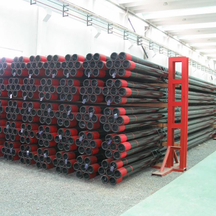
Supplies steel pipe sheet piles for coastal protection and port engineering, including large-diameter, high-strength, customized, and corrosion-protected options for seawalls, quay walls, deep-water berths, and marine retaining structures. Pipe diameter, wall thickness, length, steel grade, and coating can be selected according to project drawings and marine service conditions. Quality inspection may cover chemical composition, mechanical properties, dimensional tolerances, welding quality, interlock connection checks, surface condition, and coating inspection, with material test certificates and inspection reports provided as agreed. We support export packaging, bundle marking, container or bulk vessel shipping, loading coordination, and export documentation. To request a quotation, please provide the outside diameter, wall thickness, length, steel grade, interlock type, coating requirement, quantity, and destination port.
Conclusion:
Steel pipe sheet piles are a durable solution for coastal protection and port engineering, providing high bending strength, load-bearing capacity, and flexible design for seawalls, quay walls, wharves, and deep-water berths. Their interlocking connections form continuous retaining structures that resist wave action, seawater pressure, soil movement, and heavy port loads. Long-term performance depends on proper material selection, corrosion protection such as marine-grade coatings and cathodic protection, and quality installation using vibratory hammers, impact hammers, or hydraulic press-in equipment. Strict inspection of steel grade, dimensions, welding quality, and interlock connections helps ensure reliable service in marine environments.
FAQ:
Q1: What are the main applications of steel pipe sheet piles in coastal protection?
They are commonly used in seawalls, shoreline reinforcement, flood barriers, riverbank protection, and coastal erosion control structures.
Q2: Why are steel pipe sheet piles suitable for port engineering projects?
Their high bending strength, load-bearing capacity, and structural stability make them suitable for quay walls, wharves, dock basins, and deep-water berths.
Q3: How can steel pipe sheet piles resist corrosion in marine environments?
Corrosion can be reduced through marine-grade protective coatings, hot-dip galvanizing where applicable, and cathodic protection systems.
Q4: Which installation method is suitable for steel pipe sheet piles in coastal projects?
Vibratory hammering, impact hammering, and hydraulic press-in methods can be selected according to soil conditions, construction requirements, and environmental restrictions.
Q5: How do you select the right steel pipe sheet pile specifications for port construction?
Consider structural loads, soil conditions, water depth, pipe diameter, wall thickness, steel grade, pile length, and corrosion protection requirements.
About Us / News / Product / Project / Quality Assurance / Service / Contact Us