Views: 0 Author: Site Editor Publish Time: 2026-11-12 Origin: Site
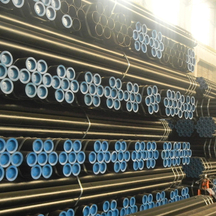
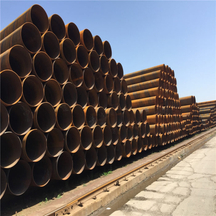
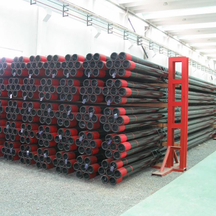
Steel pipe sheet piles are widely used in cofferdam engineering to create dry, stable working areas for underwater construction. Large-diameter steel pipes are connected through interlocking joints to form enclosed retaining walls that resist lateral soil and water pressure, often reinforced with internal bracing and walers. Key applications include river cofferdams for bridge piers and hydraulic structures, coastal projects such as seawalls and breakwater foundations, and port works including quay wall repairs and wharf expansions. Successful cofferdam construction requires careful consideration of water depth, soil conditions, excavation depth, seepage control, installation accuracy, and corrosion protection.
Definition and Structural Characteristics
Component | Function |
|---|---|
Main steel pipe piles | Large-diameter pipes providing much of the wall's bending stiffness and resistance to lateral loads |
Connecting components | Interlocks or connectors joining adjacent pipe piles and maintaining wall continuity |
Walers | Horizontal structural members distributing loads along the retaining wall |
Internal struts and braces | Support components resisting inward movement and stabilizing the cofferdam |
Tie rods and other connections | Transfer loads between structural members in suitable designs |
Pipe diameter, wall thickness, steel grade, and pile length are selected according to engineering calculations and site conditions—not general guidelines alone.
Working Principles of Steel Pipe Pile Cofferdams
A steel pipe pile cofferdam works by forming a retaining enclosure around the planned construction area. After piles are installed and connected, water inside the enclosure can be removed through controlled pumping, allowing excavation and foundation work to proceed.
The retaining wall must resist lateral pressure from both soil and water. As excavation progresses, the pressure difference across the wall can increase—internal bracing, walers, and other support systems help transfer these loads and control deformation.
Seepage control is another important consideration. Water may enter through pile joints or flow beneath the cofferdam wall. The design may require:
Suitable joint sealing
Cutoff measures
Drainage arrangements
Ground improvement
Engineers must also assess risks such as piping, base heave, and hydraulic uplift.
Steel Pipe Sheet Piles vs. Conventional Sheet Piles
Comparison | Steel Pipe Pile Systems | Conventional Sheet Piles |
|---|---|---|
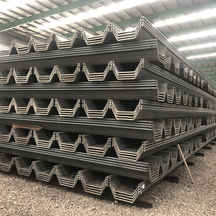
Main section | Circular steel pipes | U-shaped, Z-shaped, or other profiles |
Structural behavior | Can provide high bending stiffness through large pipe sections | Performance depends on profile geometry and section properties |
Connection | Requires suitable connecting or interlocking components | Commonly uses integrated interlocks |
Typical application | Demanding cofferdams and marine retaining structures | Temporary excavation support and water-retaining walls |
Installation | May require specialized positioning and driving equipment | Uses sheet pile installation equipment |
Neither system is automatically better for every project. The appropriate choice depends on:
Excavation depth
Water pressure
Soil conditions
Structural requirements
Installation access
Construction cost
Possibility of reuse
A project-specific engineering assessment is essential before selecting the cofferdam system.
Steel pipe sheet piles are widely used in cofferdam engineering because they can form strong retaining enclosures for construction in water environments. Their applications cover river infrastructure, coastal protection, port development, and dock maintenance—although the basic purpose is similar, each project has different requirements for structural strength, water control, installation methods, and corrosion protection.
Application Overview
Project Type | Main Applications | Key Considerations |
|---|---|---|
River cofferdams | Bridge piers, river foundations, hydraulic structures | Flow velocity, flooding, riverbed scour, water pressure |
Coastal cofferdams | Seawalls, breakwaters, marine foundations | Tides, waves, seawater corrosion, seabed stability |
Dock and port cofferdams | Quay walls, wharves, dock repairs, port expansion | Restricted space, existing structures, dredging, marine operations |
1. River Cofferdams
Commonly used in bridge construction, river crossings, hydraulic engineering, and foundation projects. Steel pipe sheet piles create a temporary enclosure around bridge piers, abutments, and other structures requiring excavation below river water level.
Major challenge: flowing water. Water velocity, seasonal flooding, and changing river levels can affect cofferdam stability and construction safety. Engineers must evaluate hydraulic forces, riverbed conditions, soil properties, and possible scour around the enclosure.
Design requirements:
Sufficient space for excavation and foundation construction
Minimal interference with river flow
Additional bracing, scour protection, and seepage-control measures where necessary
Installation equipment and construction sequences selected according to water depth and site access
2. Coastal Cofferdams
Used in seawall construction, breakwater foundations, marine terminal development, and coastal infrastructure repairs. Steel pipe sheet pile systems provide retaining support for temporary work areas exposed to tides, waves, and seawater.
Environmental considerations:
Tidal changes – cause repeated variations in water pressure
Wave action – may create additional lateral and dynamic loads
Weak seabed materials – soft marine clay, loose sand, and other materials affect pile penetration and foundation stability
Corrosion protection is particularly important—steel pipes may be exposed to seawater, salt spray, and changing wet-and-dry conditions. Specify suitable protective coatings, corrosion allowances, and inspection arrangements according to the project environment and design life. Also assess wave loading, seabed stability, and potential erosion or scour.
3. Dock and Port Cofferdams
Used in quay wall repairs, wharf foundations, dock expansion, and marine structure maintenance. These projects often require temporary retaining systems that operate within restricted construction areas while allowing nearby port activities to continue.
In dock engineering, cofferdams may be installed around damaged structural sections, foundation areas, or locations requiring underwater repair—isolating the work area so excavation, concrete placement, and structural reinforcement can be carried out under controlled conditions.
Port projects may involve: variable water depths, heavy construction equipment, nearby marine structures, and complex soil conditions. Engineers must consider the effects of installation vibration and ground movement on existing facilities. The cofferdam should also be coordinated with dredging operations, vessel access, and the overall construction schedule.
The structural design of a steel pipe pile cofferdam directly affects its stability, water-retaining performance, and construction safety. A properly designed system must withstand lateral soil pressure, hydrostatic pressure, construction loads, and other environmental forces—its configuration should also match excavation dimensions, water depth, geological conditions, and available installation equipment.
Steel pipe piles form the main retaining structure, but they work together with connecting components, internal bracing, and seepage-control measures—each component has a specific role in maintaining overall stability.
Key Design Elements at a Glance
Design Element | Key Considerations |
|---|---|
Layout and enclosure configuration | Shape (circular, rectangular, project-specific), internal space, water flow, wave action, nearby structures |
Steel pipe piles and connections | Diameter, wall thickness, length, steel grade, embedment, support conditions; connection accuracy and leakage control |
Internal bracing and supports | Walers, struts, tie rods, support frames; number, spacing, size per design loads and excavation stages |
Seepage and foundation stability | Joint sealing, cutoff systems, drainage, dewatering, ground improvement; hydraulic uplift, base heave, piping risks |
1. Cofferdam Layout and Enclosure Configuration
Steel pipe pile cofferdams can be arranged in circular, rectangular, or other project-specific configurations—the choice depends on shape and size of the construction area, excavation depth, surrounding water conditions, and structural requirements.
Circular cofferdams – often considered for individual foundation structures, such as bridge piers
Rectangular configurations – may suit larger work areas with defined boundaries
The design must provide sufficient internal space for excavation, equipment operation, foundation construction, and installation of support components. Engineers should also evaluate water flow, wave action, and nearby structures—the enclosure must have adequate stability while minimizing unnecessary obstruction to river or marine activities.
2. Steel Pipe Piles and Connecting Systems
Steel pipe piles are the primary load-resisting members of the cofferdam wall—diameter, wall thickness, length, and steel grade should be determined through structural and geotechnical calculations.
Large-diameter pipes – can provide substantial bending stiffness, suitable for demanding retaining applications; capacity depends on section dimensions, material properties, pile embedment, and support conditions
Connecting systems – join adjacent piles and maintain enclosure continuity; may include interlocking connectors, welded components, or other engineered joint arrangements
Connection accuracy is important—gaps or damaged joints may affect structural performance and increase water leakage.
3. Internal Bracing and Support Systems
Internal bracing helps prevent excessive deformation of the cofferdam wall under soil and water pressure.
Component | Function |
|---|---|
Walers | Horizontal members distributing loads along the retaining wall |
Struts | Compression members installed across the cofferdam to support opposing walls |
Tie rods | Components used in suitable configurations to transfer tensile forces |
Support frames | Structural assemblies connecting and stabilizing individual support members |
The number, spacing, and size of these components depend on design loads and excavation stages. In many projects, supports must be installed progressively as excavation proceeds. Removing or changing support components without engineering approval can compromise stability.
4. Water Seepage and Foundation Stability
Controlling water seepage is one of the most important aspects of cofferdam engineering. Water can enter through pile connections or flow beneath the retaining wall—even when the wall is structurally strong, uncontrolled seepage may cause soil loss, piping, or instability.
Possible control measures:
Joint sealing
Suitable cutoff systems
Drainage
Controlled dewatering
Ground improvement
The required measures depend on soil permeability, groundwater conditions, water pressure, and pile embedment depth. Engineers must also check for hydraulic uplift, base heave, and piping at the excavation bottom—especially important in loose sandy soils and areas with high groundwater pressure.
The installation of steel pipe sheet piles is a critical stage in cofferdam construction. Proper positioning, driving accuracy, connection quality, and construction sequencing directly affect the stability and water-retaining performance of the completed structure. Installation methods should be selected according to pipe dimensions, soil conditions, water depth, site accessibility, and project requirements.
A typical construction process includes site investigation, preparation, pile positioning, installation, connection, internal bracing, excavation, and dewatering. Each stage requires appropriate equipment and quality control.
Construction Procedure at a Glance
Stage | Key Activities |
|---|---|
Site investigation and preparation | Geological/hydrological investigation; review drawings and pile specifications; prepare equipment, lifting arrangements, temporary platforms, and safety measures; establish positioning plan and guide frames |
Pile positioning and installation | Check identification, dimensions, damage, and connection condition; select vibratory, impact, or assisted driving method; monitor verticality, position, depth, and connection engagement |
Bracing, excavation, and dewatering | Install internal support system per approved design; excavate in stages; controlled pumping; monitor seepage, piping, and ground movement |
Removal and reuse | Vibratory extraction or suitable equipment; approved sequence; inspect for deformation, corrosion, connection damage; clean, repair, and maintain for reuse |
1. Site Investigation and Construction Preparation
Conduct geological and hydrological investigations to understand site conditions:
Soil layers
Groundwater levels
River or seawater depth
Tidal changes
Possible obstructions beneath the ground
Review cofferdam drawings and confirm required pile diameter, wall thickness, length, steel grade, and connection details. Prepare installation equipment, lifting arrangements, temporary platforms, and safety measures.
Establish a pile positioning plan to control enclosure geometry—guide frames or temporary positioning structures may be used to maintain alignment and reduce installation deviations.
2. Pile Positioning and Installation
Before driving, check each pile for identification, dimensions, visible damage, and connection condition.
Installation Method | Key Characteristics |
|---|---|
Vibratory driving | Uses vibration to reduce soil resistance; often used in suitable granular soils |
Impact driving | Uses repeated hammer blows; may be selected where greater driving resistance is encountered |
Pre-drilling or assisted methods | May be considered where hard layers, obstructions, or difficult ground conditions affect installation |
The appropriate method depends on geotechnical conditions and environmental restrictions. Monitor installation to control verticality, position, penetration depth, and connection engagement—excessive deviation can make it difficult to connect adjacent piles and may affect overall cofferdam performance.
3. Bracing, Excavation, and Dewatering
After the pipe piles and connecting components form the required enclosure, install the internal support system according to the approved design—walers, struts, tie rods, and support frames help resist lateral pressure and control wall deformation.
Excavation is usually carried out in stages rather than removing all soil at once. Support components should be installed at specified excavation levels and in the correct sequence—this approach helps maintain stability as excavation becomes deeper.
Dewatering is performed through controlled pumping to reduce the water level inside the cofferdam. Monitor pumping rates and groundwater conditions to avoid excessive seepage, piping, or instability beneath the excavation. If water leakage increases or unexpected ground movement occurs, work should be reviewed by the responsible engineering team.
4. Removal and Reuse
For temporary cofferdams, steel pipe piles may be extracted after the permanent structure is completed and the temporary enclosure is no longer required.
Removal methods – vibratory extraction or other suitable equipment, depending on soil resistance and pile conditions
Extraction sequence – follow an approved sequence to avoid damaging nearby structures or disturbing completed foundations
Inspection after removal – check for deformation, corrosion, connection damage, and other defects
Reuse preparation – suitable cleaning, repair, and maintenance can prepare reusable piles for future projects
Selection and Inspection Overview
Area | Key Considerations |
|---|---|
Steel grade and dimensions | Required strength, toughness, weldability; maximum expected loads, installation conditions, impact/deformation risk; diameter, wall thickness, pile length per structural calculations |
Corrosion protection | Freshwater vs. marine environments; chloride exposure; protective coatings, surface preparation, corrosion allowances; temporary vs. permanent service |
Manufacturing and quality inspection | Chemical composition, mechanical properties, dimensions, visual inspection, weld inspection, coating inspection per applicable standards |
1. Steel Grade and Dimensional Selection
Select steel grade according to required strength, toughness, weldability, and applicable project standards. Consider maximum expected loads, pile installation conditions, and possible impact or deformation during construction.
Pipe diameter and wall thickness – larger diameters and thicker walls may provide greater section stiffness and load resistance, but final dimensions must be determined through structural calculations.
Pile length – should account for excavation depth, required embedment, soil conditions, and design stability requirements.
When purchasing steel pipe piles, confirm:
Required steel grade and material standard
Outside diameter and wall thickness
Pile length and dimensional tolerances
Pipe manufacturing method and welding requirements
Connection or interlocking details
Required inspection documents and testing scope
Clear technical specifications help ensure supplied materials match the cofferdam design.
2. Corrosion Protection for Freshwater and Marine Environments
Steel pipe piles may be exposed to water, soil, moisture, and corrosive substances—corrosion protection is particularly important for coastal and dock projects because seawater contains chlorides that accelerate steel corrosion.
Common protection methods:
Protective coatings
Suitable surface preparation
Corrosion allowances where specified by the design
The coating system should be selected according to exposure conditions, expected service duration, and project requirements.
For temporary cofferdams, required protection may differ from permanent marine structures—however, even temporary piles need appropriate protection if they will be stored, transported, installed, or reused. Damaged coating areas should be inspected and repaired according to the specified procedure.
3. Manufacturing and Quality Inspection
Quality inspection verifies that steel pipe piles meet required material and dimensional specifications—inspection procedures should be agreed upon before production and follow applicable standards and purchase requirements.
Inspection Item | Purpose |
|---|---|
Chemical composition testing | Checks whether the steel meets specified chemical requirements |
Mechanical property testing | Evaluates tensile strength, yield strength, elongation, and other required properties |
Dimensional inspection | Verifies outside diameter, wall thickness, length, straightness, and other tolerances |
Visual inspection | Identifies surface defects, deformation, and visible welding problems |
Weld inspection | Visual examination and suitable nondestructive testing methods where required |
Coating inspection | Checks surface preparation, coating condition, and thickness when protective coatings are specified |
Advantages and Challenges at a Glance
Advantages | Challenges |
|---|---|
High structural strength and bending stiffness | Specialized equipment requirements |
Flexible structural design and application | Installation accuracy |
Potential for recovery and reuse | Difficult ground conditions |
— | Environmental impact (vibration, noise) |
— | Water leakage and seepage control |
— | Corrosion and project cost considerations |
1. High Structural Strength and Bending Stiffness
A major advantage—large-diameter steel pipes can resist lateral loads from soil and water when dimensions, material grade, embedment, and support arrangements are properly designed.
This makes them useful in cofferdams for bridge foundations, marine structures, dock repairs, and other projects requiring stable retaining walls. Internal bracing and connecting components can further improve complete system performance.
2. Flexible Structural Design and Application
Steel pipe piles can be arranged in different configurations—circular, rectangular, and other engineered layouts—depending on excavation area, water depth, and surrounding conditions.
Different pipe diameters, wall thicknesses, and steel grades provide flexibility for projects with different load requirements. This adaptability makes steel pipe pile systems suitable for various temporary retaining applications.
3. Potential for Recovery and Reuse
In many temporary cofferdam projects, steel pipe piles can be extracted after construction. If piles remain in acceptable condition, they may be inspected, repaired, and reused in other projects.
Reuse benefits: reduced material consumption and overall project costs.
Actual recovery rate depends on: soil conditions, installation methods, extraction difficulty, corrosion, and possible deformation during use. Reuse should always be based on inspection and engineering acceptance.
4. Challenges in Installation and Construction
Challenge | Key Points |
|---|---|
Specialized equipment | Large-diameter pipes may require heavy lifting equipment, suitable pile-driving machinery, and sufficient working space |
Installation accuracy | Poor positioning or excessive vertical deviation can affect connections and enclosure geometry |
Ground conditions | Hard soil layers, buried obstructions, and dense materials may increase installation difficulty |
Environmental impact | Vibrations and noise from pile driving may affect nearby buildings, marine facilities, or sensitive environments |
Water leakage | Gaps at connections or seepage beneath the cofferdam may require additional sealing, cutoff, drainage, or ground-improvement measures |
Supplies steel pipe sheet piles for river, coastal, and dock cofferdam projects, including bridge pier foundations, seawall construction, quay wall repairs, and wharf expansions. Products can be specified by outside diameter, wall thickness, length, steel grade, interlock type, and end preparation according to engineering drawings and site conditions. For marine and coastal applications, corrosion protection and coating requirements should be confirmed before production. Quality inspection may cover dimensional tolerances, visual examination, mechanical testing, and weld non-destructive testing as agreed in the order. We support export packaging, clear product marking, safe loading, and global shipping arrangements. To request a quotation, please provide the pipe diameter, wall thickness, length, steel grade, applicable standard, quantity, destination port, and any special coating or inspection requirements.
Steel pipe sheet piles provide an effective solution for river, coastal, and dock cofferdams, combining structural stiffness, flexible configurations, and potential reuse. Proper selection requires matching steel grade, pipe diameter, wall thickness, pile length, and interlock system to project-specific geological, hydraulic, and structural conditions. Corrosion protection, manufacturing quality, dimensional accuracy, and inspection documentation should be confirmed before installation. Construction stability also depends on accurate pile positioning, suitable driving methods, reliable connections, and proper bracing and dewatering sequences. Total cost assessment should include material, transportation, installation, bracing, dewatering, and recovery expenses.
FAQ:
1. What are steel pipe sheet piles used for in cofferdam construction?
They form temporary retaining enclosures that help control water and soil during excavation, foundation construction, and marine engineering projects.
2. What is the difference between steel pipe pile cofferdams and conventional sheet pile cofferdams?
Steel pipe pile systems use connected circular pipes, while conventional systems typically use interlocking U-shaped or Z-shaped sheet pile sections.
3. Are steel pipe sheet piles suitable for coastal and seawater environments?
Yes. They can be used in coastal projects with appropriate corrosion protection, structural design, and maintenance measures.
4. How are steel pipe sheet piles installed in river cofferdams?
They are generally positioned and driven using vibratory or impact equipment, depending on soil conditions and project requirements.
5. How do you control water seepage in a steel pipe pile cofferdam?
Common measures include joint sealing, cutoff systems, controlled dewatering, drainage, and ground improvement where required.
About Us / News / Product / Project / Quality Assurance / Service / Contact Us