Views: 3 Author: Site Editor Publish Time: 2026-07-01 Origin: Site
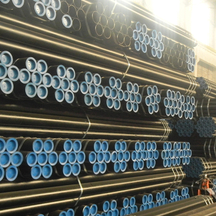
Thick-walled steel pipes are essential for industries demanding high strength, superior pressure resistance, and long service life. With thicker walls than standard pipes, they safely withstand heavy loads, extreme internal pressures, and harsh environments. These characteristics make them indispensable in oil and gas transportation, power generation, construction, mining, and heavy machinery manufacturing.
The performance of thick-walled steel pipes relies on both premium materials and precise manufacturing. Available in carbon steel, alloy steel, and stainless steel, they are produced as seamless or welded pipes to meet diverse engineering needs. High-quality pipes offer excellent mechanical strength, reliable weldability, and strong resistance to wear, corrosion, and deformation, significantly reducing maintenance costs and extending equipment lifespan.
What Are Thick-Walled Steel Pipes?
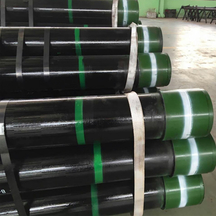
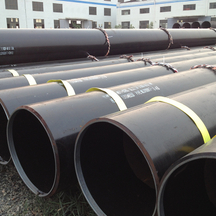
Thick-walled steel pipes feature a relatively large wall thickness compared to their outside diameter. This design provides superior strength, higher pressure resistance, and improved durability, making it essential for heavy loads, high-pressure fluids, and demanding operating environments.
Key Characteristics Overview
Category | Details |
Definition | Classified by the ratio of outside diameter to wall thickness rather than a single standard; designed for high-pressure or heavy-duty service. |
Common Materials | Carbon steel (cost-effective), alloy steel (high-temp/pressure), stainless steel (corrosion-resistant), and low-temperature steels. |
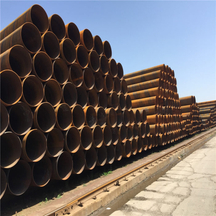
Manufacturing | Seamless (pierced billets for critical pressure) or welded (ERW, LSAW, SSAW for large diameters), followed by heat treatment and NDT. |
Key Specs | Outside diameter, wall thickness, steel grade, pressure rating, surface coating, and end types (plain, beveled, threaded). |
Standards | Manufactured to meet international standards including API, ASTM, ASME, EN, ISO, and GB/T. |
Main Uses of Thick-Walled Steel Pipes
Thick-walled steel pipes are essential for demanding industrial environments requiring high pressure, heavy loads, and structural integrity. Their versatility makes them a critical material across various modern engineering and infrastructure projects.
Below is a concise breakdown of their primary industrial applications:
Industry Sector | Key Applications |
Oil & Gas | High-pressure transmission pipelines, drilling casings, and offshore platforms for transporting crude oil and natural gas. |
Construction | Structural components for building foundations, bridge supports, and steel columns due to high load-bearing capacity. |
Power Generation | Boiler systems and high-temperature steam pipelines in thermal, hydroelectric, and nuclear facilities. |
Mechanical Manufacturing | Hydraulic cylinders, pressure vessels, and heavy machinery components require precise dimensional stability. |
Mining & Processing | Transporting slurry, chemicals, and high-pressure fluids in abrasive and corrosive environments. |
Water & Infrastructure | Municipal water supply, drainage networks, and marine engineering projects requiring durable, safe fluid transmission. |
Overall, thick-walled steel pipes are indispensable in sectors that demand strength, safety, and long-term reliability. Their adaptability ensures effective performance in both heavy industrial processing and large-scale infrastructure systems.
Advantages of Thick-Walled Steel Pipes
Thick-walled steel pipes are widely preferred for heavy-duty industrial and infrastructure projects due to their superior performance and structural design. They offer critical benefits that make them highly suitable for demanding operating conditions.
Below is a concise breakdown of their primary advantages:
Advantage | Key Benefits |
High Pressure Resistance | Increased wall thickness prevents deformation and bursting, ensuring safety in high-pressure fluid and gas transmission. |
Excellent Mechanical Strength | High load-bearing capacity resists external forces like impact, vibration, and soil pressure for stable construction. |
Durability & Longevity | Robust structure and anti-corrosion coatings resist wear and rust, significantly lowering long-term maintenance costs. |
Harsh Environment Resistance | Performs reliably under extreme temperatures and corrosive conditions, ideal for chemical and offshore applications. |
Size & Material Flexibility | Available in various diameters, wall thicknesses, and steel grades to meet specific engineering requirements. |
High Safety & Reliability | Manufactured to international standards (API, ASTM, ISO), ensuring consistent quality and reduced operational risk. |
Long-Term Cost Efficiency | Lower failure rates and minimal maintenance provide better total project value despite a higher initial cost. |
Overall, the combination of structural strength, operational safety, and long-term reliability makes thick-walled steel pipes an essential choice for industries facing challenging operating conditions.
Our Thick-Walled Steel Pipe Solutions & Global Shipping Services
We supply high-quality thick-walled steel pipes for oil, gas, construction, and infrastructure projects. Our range includes seamless and welded pipes (ERW, LSAW, SSAW) in carbon, alloy, and stainless steel, all compliant with API, ASTM, and ISO standards.
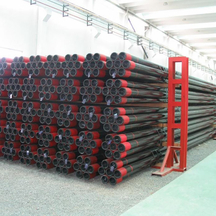
Strict quality control is integrated into every stage, featuring comprehensive ultrasonic, hydrostatic, and dimensional testing to ensure structural reliability and safety. To guarantee safe global delivery, we provide professional packaging with steel straps, end caps, and waterproof wrapping.
Our flexible shipping solutions include container and bulk vessel transport, supporting FOB, CIF, and EXW trade terms with complete export documentation. Whether for standard or custom requirements, our advanced manufacturing and efficient logistics ensure on-time delivery. Choose us as your trusted partner for durable, high-performance thick-walled steel pipes and dependable global service.
How to Choose the Right Thick-Walled Steel Pipe
Selecting the right thick-walled steel pipe is essential for ensuring safety, performance, and cost efficiency in high-pressure and heavy-load engineering projects. A proper choice helps prevent system failure and extends service life.
Below is a concise guide to the key factors to consider when selecting the right pipe:
Selection Factor | Key Considerations |
Working Conditions | Evaluate internal pressure, external loads, temperature ranges, and the specific medium being transported. |
Material Selection | Choose carbon steel for general use, alloy steel for high-temperature/high-pressure, and stainless steel for corrosive environments. |
Dimensions | Balance wall thickness and diameter to match pressure ratings, structural loads, and flow capacity requirements. |
Manufacturing Standards | Ensure compliance with international standards like API 5L, ASTM, ASME, EN, ISO, or GB/T for guaranteed reliability. |
Quality & Testing | Verify supplier testing protocols, including ultrasonic, hydrostatic, and dimensional inspections, backed by certified reports. |
Surface Protection | Apply protective coatings (e.g., 3PE, FBE, epoxy) and end caps to prevent corrosion and extend service life. |
Reliable Manufacturer | Partner with a supplier offering stable capacity, strict quality control, customization, and efficient logistics support. |
Conclusion
Thick-walled steel pipes are critical to modern industry and infrastructure, offering high strength, excellent pressure resistance, and long service life. Essential for oil and gas, construction, power generation, and mining, they provide unmatched safety and stability in demanding environments.
Selecting the right product is vital for optimal performance. Buyers must carefully evaluate working conditions, material types, wall thickness, manufacturing standards, and quality testing. Partnering with a qualified manufacturer and ensuring proper surface protection and handling are key to preventing premature failure and reducing long-term maintenance costs.
Our company is committed to delivering premium thick-walled steel pipe solutions tailored to diverse project needs. Utilizing advanced production equipment and strict inspection procedures, we ensure every pipe meets international standards. We also offer flexible customization and professional global shipping services to guarantee safe, efficient delivery worldwide.
FAQ:
(1) What is considered a thick-walled steel pipe?
Explain how thick-walled steel pipes are defined based on the relationship between outside diameter and wall thickness, and why the exact definition varies by application and industry standards.
(2) What are the main applications of thick-walled steel pipes?
Describe their common use in oil and gas pipelines, pressure vessels, structural engineering, power plants, heavy machinery, mining, and water infrastructure.
(3) What is the difference between seamless and welded thick-walled steel pipes?
Compare manufacturing methods, pressure resistance, cost, available sizes, and typical applications.
(4) How do I choose the right thick-walled steel pipe for my project?
Discuss key selection factors, including material grade, wall thickness, pressure requirements, operating environment, corrosion protection, and compliance with relevant standards.
About Us / News / Product / Project / Quality Assurance / Service / Contact Us