Views: 4 Author: Site Editor Publish Time: 2026-10-07 Origin: Site
ASTM A500 and EN 10210 are key international standards for structural hollow sections but are not interchangeable. ASTM A500 covers cold-formed welded and seamless carbon steel tubing for building frames and general construction. EN 10210 specifies hot-finished hollow sections from non-alloy and fine-grain steels, commonly used in load-bearing infrastructure. Key differences include manufacturing process, grade classification, mechanical properties, and dimensional tolerances. Selection should consider design codes, wall thickness, toughness, welding requirements, and certification.
Overview of ASTM A500 and EN 10210 Standards
ASTM A500 and EN 10210 are two major standards for structural hollow steel sections used in construction and engineering. Both set requirements for material quality, mechanical properties, dimensions, and manufacturing. However, they differ in scope, production processes, and grade classification systems.
Quick Comparison
Item | ASTM A500 | EN 10210 |
|---|---|---|
Region | American standard | European standard |
Manufacturing | Cold-formed welded and seamless | Hot-finished |
Shapes | Round, square, rectangular | Round, square, rectangular |
Common grades | A, B, C, D | S235J2H, S275J2H, S355J2H |
Typical use | US building, bridge, industrial projects | European load-bearing structures |
2.1 What Is ASTM A500?
ASTM A500 covers cold-formed welded and seamless carbon steel structural tubing in round, square, and rectangular shapes.
Widely used in the US for buildings, bridges, industrial facilities, and general fabrication
Includes Grades A, B, C, and D
Grades differ in yield strength, tensile strength, and elongation
Valued for versatility and efficient material use
When ordering, confirm:
Required grade
Outside dimensions
Wall thickness
Length
Inspection documentation
2.2 What Is EN 10210?
EN 10210 is a European standard for hot-finished structural hollow sections made from non-alloy and fine-grain steels.
Part | Scope |
|---|---|
EN 10210-1 | Technical delivery conditions |
EN 10210-2 | Dimensional and sectional tolerances |
Common grades include S235J2H, S275J2H, and S355J2H. The hot-finished route can influence residual stresses and material behavior compared with cold-formed products.
When ordering, verify:
Exact steel grade
Dimensions and wall thickness
Impact toughness requirements where applicable
Required inspection certificates
2.3 Key Differences in Scope and Manufacturing
The main distinction is manufacturing scope:
Standard | Manufacturing |
|---|---|
ASTM A500 | Cold-formed welded and seamless |
EN 10210 | Hot-finished |
Both standards include similar cross-sectional shapes, but their technical requirements and grade designations differ. Manufacturing processes can affect:
Residual stress distribution
Dimensional characteristics
Certain mechanical properties
Note: Neither standard is an automatic substitute for the other.
Before Approving Alternative Materials
Compare:
Mechanical properties
Chemical composition
Dimensional tolerances
Toughness
Fabrication requirements
Project design codes
ASTM A500 vs. EN 10210: Key Technical Differences
ASTM A500 and EN 10210 both define requirements for structural hollow steel sections, but they differ in manufacturing processes, steel grades, mechanical properties, dimensional tolerances, and testing. Understanding these differences helps engineers and buyers select suitable materials and avoid compliance issues.
Technical Differences at a Glance
Factor | ASTM A500 | EN 10210 |
|---|---|---|
Region | American | European |
Manufacturing | Cold-formed welded and seamless | Hot-finished |
Common grades | A, B, C, D | S235J2H, S275J2H, S355J2H |
Grade system | American designation | European designation |
Tolerances | Per ASTM A500 | Per EN 10210 |
Testing | Per ASTM requirements | Per EN requirements |
3.1 Steel Grades and Chemical Composition
ASTM A500 uses Grades A, B, C, and D, each with specified chemical and mechanical requirements.
EN 10210 uses the European designation system. In grades like S355J2H:
Element | Meaning |
|---|---|
S355 | Minimum yield strength in MPa |
J2 | Impact toughness designation |
H | Hollow section |
The two standards use different classification systems and chemical limits. Similar-looking grades are not equivalent without detailed comparison. Verify the standard edition, grade, and mill test certificate before ordering.
3.2 Mechanical Properties
Property | Meaning |
|---|---|
Yield strength | Onset of permanent deformation |
Tensile strength | Maximum stress in tensile test |
Elongation | Ductility indicator |
Impact toughness | Resistance to brittle fracture |
EN 10210 S355J2H generally has a higher nominal minimum yield strength than ASTM A500 Grade C for many comparable sizes. However, actual requirements must be checked against the relevant standards and wall thickness ranges.
Compare the complete set of properties, not yield strength alone.
3.3 Manufacturing Processes and Heat Treatment
Standard | Manufacturing Route |
|---|---|
ASTM A500 | Cold-formed welded and seamless |
EN 10210 | Hot-finished |
Process | Effect |
|---|---|
Cold forming | Influences residual stress and corner properties |
Hot finishing | Affects residual stresses and material condition |
These differences may influence fabrication behavior and structural design. Follow the relevant design code and fabrication procedures.
3.4 Dimensions, Tolerances, and Shapes
Both standards cover round, square, and rectangular sections, but each sets its own tolerances for:
Outside dimensions
Wall thickness
Straightness
Other characteristics
Note: Even with the same nominal dimensions, permitted tolerances may differ. This matters for precision connections and prefabricated assemblies.
Confirm before ordering:
Outside dimensions
Wall thickness
Length
Corner geometry
Applicable tolerances
3.5 Testing, Inspection, and Certification
Both standards set requirements for material quality and product conformity, but specific provisions differ.
Verification may include:
Chemical analysis
Tensile testing
Dimensional inspection
Additional specified tests
Mill test certificates confirm grade, measured properties, and traceability. Projects may also require supplementary inspection, impact testing, or third-party verification.
Applications: Choosing ASTM A500 or EN 10210
ASTM A500 and EN 10210 hollow structural sections are widely used in construction, infrastructure, and industrial engineering. Both cover round, square, and rectangular tubes for load-bearing applications. Selecting the right standard requires careful consideration of project specifications, manufacturing requirements, mechanical properties, and regional regulations.
Quick Selection Guide
Factor | ASTM A500 | EN 10210 |
|---|---|---|
Primary market | US and American-standard projects | European projects |
Manufacturing | Cold-formed welded and seamless | Hot-finished |
Common grades | A, B, C, D | S235J2H, S275J2H, S355J2H |
Typical use | Buildings, frames, industrial support | Load-bearing structures, bridges |
4.1 Applications of ASTM A500 Steel Tubes
Common in the US and markets specifying American structural standards.
Typical uses:
Building columns
Roof trusses
Structural braces
Equipment frames
Industrial support systems
Shape | Best For |
|---|---|
Round | Balanced strength in different directions |
Square and rectangular | Columns, frames, flat connection surfaces |
Also used in warehouses, commercial buildings, manufacturing facilities, and infrastructure. When choosing a grade, evaluate strength, dimensions, wall thickness, loading conditions, and applicable design code.
4.2 Applications of EN 10210 Hollow Sections
Widely used in European construction and engineering projects requiring specified mechanical properties, tolerances, and hot-finished conditions.
Common applications:
Load-bearing columns
Industrial building frames
Roof structures
Bridges
Heavy structural frameworks
Grade | Relative Strength |
|---|---|
S235J2H | Lower |
S275J2H | Moderate |
S355J2H | Higher |
Consider welding requirements, impact toughness, and corrosion protection when selecting.
4.3 How to Select the Right Standard
Start with the project's governing design code and technical specifications. Do not substitute one standard for another without engineer or client approval.
Factor | Consideration |
|---|---|
Structural strength | Yield, tensile, and required properties |
Manufacturing | Cold-formed or hot-finished |
Dimensions and tolerances | Match structural drawings |
Service conditions | Temperature, fatigue, corrosion |
Fabrication | Welding, cutting, forming |
Certification | Certificates, traceability, local regulations |
ASTM A500 vs. EN 10210: Comparison Table
ASTM A500 and EN 10210 are widely used standards for structural hollow steel sections in the American and European markets. Both cover round, square, and rectangular tubes, but they differ in manufacturing processes, grade classifications, mechanical requirements, tolerances, and delivery conditions.
5.1 Main Differences at a Glance
Comparison Item | ASTM A500 | EN 10210 |
|---|---|---|
Standard origin | American | European |
Product scope | Cold-formed welded and seamless tubing | Hot-finished hollow sections |
Common grades | A, B, C, D | S235J2H, S275J2H, S355J2H |
Shapes | Round, square, rectangular | Round, square, rectangular |
Manufacturing | Cold forming; welded and seamless | Hot-finished route |
Mechanical properties | Per grade, shape, and dimensions | Per grade and dimensions |
Tolerances | Per ASTM A500 | Per EN 10210-2 |
Typical applications | Frames, columns, braces, trusses | Load-bearing structures, infrastructure |
Common market | US and ASTM-specified projects | Europe and EN-specified projects |
Note: This is a general comparison. Always check the applicable edition, grade, dimensions, and project requirements before selecting material.
5.2 Manufacturing and Material Properties
The main distinction is the manufacturing route:
Standard | Manufacturing |
|---|---|
ASTM A500 | Cold-formed structural tubing |
EN 10210 | Hot-finished hollow sections |
These processes can affect residual stress distribution, dimensional characteristics, and fabrication behavior.
The standards also use different grade systems:
Standard | Grade System |
|---|---|
ASTM A500 | Letter designations (A, B, C, D) |
EN 10210 | European designations (e.g., S355J2H) |
EN 10210 S355J2H generally specifies a higher nominal minimum yield strength than ASTM A500 Grade C for many comparable sizes. However, actual requirements depend on the standard and wall thickness. Compare all relevant mechanical properties, not grade names alone.
5.3 Dimensions, Quality Control, and Certification
Both standards cover similar shapes, but tolerances and inspection requirements are not identical.
Factor | Why It Matters |
|---|---|
Outside dimensions | Connection design |
Wall thickness | Structural capacity |
Straightness | Assembly accuracy |
Corner geometry | Fabrication fit |
Verify material certificates, traceability, and any additional testing. Supplementary requirements may include:
Impact testing
Third-party inspection
Specific documentation for regulatory compliance
5.4 How to Use This Comparison When Purchasing
Step | Action |
|---|---|
1 | Confirm governing design code and standard |
2 | Compare grade, dimensions, and properties |
3 | Review manufacturing route and tolerances |
4 | Check certification requirements |
5 | Obtain approval for any alternative standard |
A technically suitable alternative must satisfy all design and compliance requirements, not just nominal strength.
Our Recommended Hollow Structural Sections and Global Shipping Services
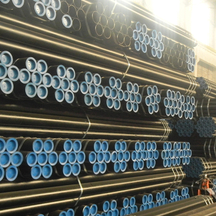
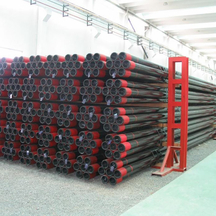
We supply ASTM A500 cold-formed and EN 10210 hot-finished hollow structural sections in round, square, and rectangular profiles for construction, infrastructure, and industrial projects. Products are available in multiple grades, dimensions, wall thicknesses, and lengths, with mill test certificates and traceable documentation to support quality inspection. Proper bundling, marking, and export packaging help protect steel tubes during international transit. We coordinate container or bulk shipping, commercial invoices, packing lists, and customs documentation to meet overseas delivery requirements. To request a quotation, please provide the applicable standard, grade, tube size, wall thickness, quantity, destination port, and delivery schedule. Confirming specifications early helps reduce procurement risks and ensures efficient, compliant delivery of structural steel tubing.
Conclusion:
ASTM A500 and EN 10210 are key standards for structural hollow sections but are not interchangeable. ASTM A500 covers cold-formed carbon steel tubing for American-standard projects, while EN 10210 specifies hot-finished hollow sections for European construction and infrastructure. Selection should follow the project design code, required yield strength, toughness, dimensional tolerances, and service environment. Similar grade names or strength values do not guarantee equivalence. Buyers should confirm the standard edition, grade, dimensions, wall thickness, length, and mill test certificates before ordering. Any substitution between standards requires engineer approval. Clear specification, quality verification, and reliable logistics help reduce procurement risk and ensure safe, compliant structural steel delivery.
FAQ:
FAQ 1: What is the main difference between ASTM A500 and EN 10210?
ASTM A500 covers cold-formed welded and seamless carbon steel structural tubing, while EN 10210 covers hot-finished structural hollow sections. They differ in manufacturing scope, grade designations, mechanical requirements, and dimensional tolerances.
FAQ 2: Is ASTM A500 equivalent to EN 10210?
No, the standards are not automatically equivalent. Engineers must compare the specified steel grade, mechanical properties, dimensions, manufacturing route, toughness, and certification requirements before approving a substitution.
FAQ 3: Which is stronger, ASTM A500 Grade C or EN 10210 S355J2H?
The answer depends on the specific product dimensions and applicable requirements. Although S355J2H generally specifies a higher nominal minimum yield strength than ASTM A500 Grade C for many comparable sizes, the actual requirements must be checked against the relevant standard editions and wall thickness ranges.
FAQ 4: Can ASTM A500 steel tubes be used in European construction projects?
They may be acceptable if the project design specifications and applicable regulations permit them. The engineer must verify structural performance, material properties, conformity requirements, and documentation before approving their use.
About Us / News / Product / Project / Quality Assurance / Service / Contact Us