Views: 0 Author: Site Editor Publish Time: 2026-06-09 Origin: Site
Q235 steel is a widely used carbon structural steel known for its balanced strength (235 MPa yield), excellent weldability, and cost-efficiency. It is extensively applied in construction, bridges, pipelines, and machinery manufacturing due to its high plasticity and ease of fabrication.
The Q235 family includes four distinct grades: A, B, C, and D. While sharing similar chemical compositions, they differ primarily in impact toughness testing temperatures, making each grade suitable for specific environmental conditions—from standard ambient use to demanding low-temperature applications.
Selecting the correct Q235 grade is essential for ensuring project safety, durability, and cost-effectiveness.
Overview of Q235 Material Grades (A, B, C, and D)
Q235 steel is categorized into four main grades: Q235A, Q235B, Q235C, and Q235D. While all share a similar low-carbon chemical composition and a minimum yield strength of 235 MPa, they differ significantly in quality control and impact toughness requirements.
The primary distinction lies in sulfur and phosphorus impurity levels and mandatory impact testing temperatures. As the grade increases from A to D, impurity limits become stricter, enhancing resistance to brittle fracture. Specifically, Q235A has no impact testing requirement, making it suitable for static, non-critical structures. Q235B requires room temperature (20°C) testing and is ideal for standard structural applications. Q235C mandates testing at 0°C, while Q235D demands the highest purity and testing at -20°C, ensuring superior performance in cold climates or under dynamic shock loads.
Ultimately, selecting the correct Q235 grade depends on environmental conditions and safety requirements rather than basic load-bearing capacity.
Key Differences Between Q235A, Q235B, Q235C, and Q235D
Q235 Steel Grade | Impact Test Temperature | Key Characteristics & Typical Applications |
Q235A | No mandatory test | Basic grade with no guaranteed toughness. Best for non-critical, static structures and general fabrication in stable environments. Most economical option. |
Q235B | Room temperature (20°C) | The most widely used grade offers basic toughness assurance. Ideal for standard construction, machinery parts, and welded components in normal climates. |
Q235C | 0°C | Provides improved low-temperature performance and resistance to brittle fracture. Suitable for moderate cold weather regions and outdoor structural use. |
Q235D | -20°C | Highest quality grade with the strictest impurity control. Ensures superior toughness in extreme cold. Used for high-safety structures and critical engineering projects. |
How to Choose the Right Q235 Grade for Your Project
Selection Factor | Guidelines for Choosing the Right Q235 Grade |
Operating Temperature | Select based on climate: Q235B for normal conditions, Q235C (0°C test) for cooler environments, and Q235D (-20°C test) for severe cold regions. Avoid Q235A where temperature impacts are a concern. |
Structural Importance & Safety | Use Q235A only for non-critical or temporary structures. Prefer Q235B/C for standard load-bearing frames and bridges, and specify Q235D for high-safety, heavily loaded critical applications. |
Fabrication & Welding Needs | Opt for Q235B or higher grades for extensive welding and complex assemblies to ensure better impurity control and reduce the risk of weld-related brittle failures. |
Cost vs. Performance Balance | Avoid over-specification to save costs, but never compromise safety by under-specifying. Choose the minimum grade that meets project requirements to optimize budget and reliability. |
Engineering Standards Compliance | Always prioritize specific material selections defined in engineering drawings, industry codes, and client specifications to guarantee compliance and structural integrity. |
Our Recommended Q235 Steel Products and Global Shipping Service
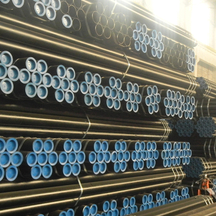
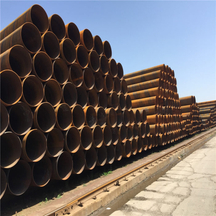
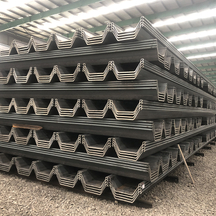
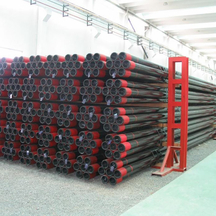
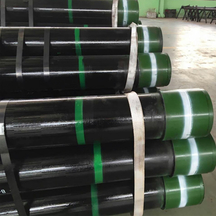
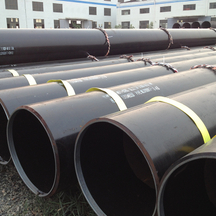
We supply a comprehensive range of premium Q235 carbon structural steel products, including plates, coils, pipes, and structural sections (H-beams, angles, channels). These versatile materials offer excellent weldability and formability for diverse construction and industrial applications. Custom fabrication is also available to meet specific project requirements.
Quality is guaranteed through strict inspections covering chemical composition, tensile strength, and impact toughness testing. Every shipment includes a Mill Test Certificate (MTC) for full traceability, with optional third-party inspections (SGS, BV, TÜV) for international projects.
To prevent transit damage, all products are securely packaged using anti-rust coatings, protective wrapping, steel strapping, and seaworthy wooden pallets or crates. Our flexible global logistics support FCL, LCL, bulk vessel shipments, and EPC project cargo. We provide complete export documentation to ensure smooth customs clearance and timely delivery. By combining high-quality Q235 steel, rigorous quality control, and reliable worldwide shipping, we deliver integrated solutions that help customers complete their projects safely, efficiently, and on schedule.
Conclusion
Q235 steel, encompassing grades Q235A, Q235B, Q235C, and Q235D, remains a cornerstone of modern construction and industrial engineering. While sharing similar base strength, their distinct impact toughness requirements dictate specific applications: Q235A suits stable, non-critical environments; Q235B is the standard for general structural projects; Q235C offers enhanced low-temperature performance; and Q235D provides maximum safety for severe cold conditions.
Selecting the appropriate grade requires balancing technical specifications, environmental factors, and project costs to prevent brittle failures or unnecessary expenses. Adherence to industry design codes and collaboration between engineering and procurement teams are essential for long-term structural reliability. Furthermore, consistent quality control and rigorous testing by reliable suppliers guarantee that material properties meet required standards. Ultimately, understanding these grade distinctions enables informed decision-making, ensuring a perfect balance of safety, performance, and cost-efficiency for stronger, more durable steel structures worldwide.
FAQ:
(1) What is the main difference between Q235A and Q235B?
Q235B requires impact testing at room temperature, while Q235A does not.
(2) Can Q235C and Q235D be used in cold environments?
Yes, they are designed for low-temperature performance, especially Q235D.
(3) Which Q235 grade is most commonly used in construction?
Q235B is the most widely used due to its balanced performance and cost.
(4) Is Q235 steel suitable for welding?
Yes, all Q235 grades have good weldability with proper procedures.
About Us / News / Product / Project / Quality Assurance / Service / Contact Us