Views: 0 Author: Site Editor Publish Time: 2026-07-17 Origin: Site
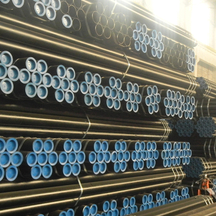
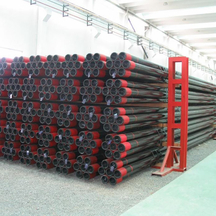
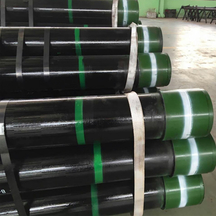
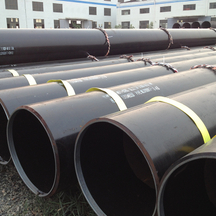
Selecting the right drill pipe is critical for drilling efficiency and safety. A drill pipe is a seamless steel tube that transmits torque, axial force, and drilling fluid to the drill bit.
Choosing the correct outside diameter (OD) is essential. Smaller diameters suit shallow wells, while larger sizes provide greater strength and fluid flow for deep, demanding operations.
Drill pipes are available in various API steel grades, including E75, X95, G105, and S135, to withstand different formation conditions. Options also include Heavy-Wall Drill Pipes (HWDP) for added stiffness, as well as different connection types like REG, IF, and NC threads.
By matching the appropriate diameter, material grade, and model to your specific drilling environment, operators can maximize productivity, extend equipment service life, and reduce overall operating costs.
How to Choose the Right Drill Pipe Diameter and Model
Selecting the right drill pipe diameter and model is essential for efficient drilling, reduced equipment wear, and operational safety. The best choice depends on drilling depth, borehole size, geological conditions, and equipment specifications. Evaluating these factors helps improve performance while minimizing maintenance and replacement costs.
The table below summarizes the key selection criteria for drill pipe diameter and model.
Selection Factor | Key Considerations | Recommendations |
|---|---|---|
Drilling Conditions | Depth, formation hardness, torque, drilling pressure | Deep/hard formations → high-strength pipes; light applications → standard pipes |
Drilling Method | Oil & gas, water well, mining, geothermal | Select pipe designed for specific application |
Pipe Diameter | Matches borehole size and equipment | Smaller dia. → shallow wells, lighter rigs; Larger dia. → deep wells, higher torque/flow |
Material Grade (API) | E75, X95, G105, S135 | Lower grades → moderate conditions; Higher grades → deep wells, high torque, corrosive environments |
Thread Connections | REG, IF, NC types | Ensure compatibility with tool joints and equipment; protect threads during storage/transport |
Corrosion Resistance | Harsh environments, high temperature | Select enhanced materials for longer service life |
Cost vs. Performance | Initial price vs. long-term value | Invest in quality for better fatigue resistance, longer life, and lower downtime |
Selection Guidelines:
Application | Recommended Diameter | Recommended Grade |
|---|---|---|
Shallow wells / light drilling | Smaller diameter | E75 or X95 |
Medium-depth drilling | Medium diameter | X95 or G105 |
Deep wells / hard formations | Larger diameter | G105 or S135 |
High-torque / corrosive environments | Larger diameter | S135 with corrosion-resistant treatment |
Key Takeaway:
Choosing the right drill pipe requires balancing diameter, material grade, thread type, and cost against project-specific conditions. Working with an experienced supplier ensures professional recommendations, API compliance, and customized solutions that deliver reliable performance and long-term value.
Performance, Inspection, and Maintenance
Ensuring optimal performance, conducting regular inspections, and following strict maintenance protocols are critical for maximizing the service life and safety of drill pipes. High-quality drill pipes must withstand extreme tension, torque, and fatigue while resisting wear and corrosion.
Drill Pipe Inspection Checklist
Professional manufacturers and operators utilize various testing methods to identify defects before they cause operational failures. Here is a quick reference guide to standard drill pipe inspection procedures:
Inspection Method | What It Checks | Why It Matters |
|---|---|---|
Dimensional Inspection | Outside diameter, wall thickness, length, and straightness. | Ensures the pipe meets strict manufacturing specifications and tolerances. |
Ultrasonic Testing | Internal defects, cracks, and material inconsistencies. | Detects hidden flaws inside the pipe body that could lead to structural failure. |
Magnetic Particle Inspection | Surface cracks and defects. | Identifies vulnerabilities on the surface, especially around tool joints and connections. |
Thread Inspection | Connection integrity and wear. | Ensures threads can withstand repeated use and provide secure assembly. |
Hardness Testing | Mechanical properties of the steel. | Verifies the material has the correct strength and durability for demanding environments. |
Mill Test Certificate (MTC) | Chemical composition and mechanical properties. | Provides documented proof of manufacturing standards and material quality. |
Essential Maintenance Best Practices
Proper maintenance significantly extends drill pipe service life and reduces unexpected downtime:
Clean Thoroughly: Wash pipes after every operation to remove drilling fluids, debris, and corrosive materials.
Protect Connections: Regularly inspect threads and apply suitable thread compounds and protectors to prevent damage.
Store Correctly: Keep pipes on stable supports off the ground to prevent bending, and store them away from excessive moisture.
Handle with Care: Use proper handling procedures to avoid impact damage to threaded connections and the pipe body.
Monitor for Wear: Regularly check for signs of wear, cracks, corrosion, or deformation. Immediately remove damaged pipes from service for evaluation.
Our Drill Pipe Solutions
We supply high-quality drill pipe solutions for oil & gas, mining, water well drilling, and geothermal projects. Manufactured to API standards, our pipes are available in various diameters, grades (E75, X95, G105, S135), and connection types to meet diverse drilling requirements.
Product Range:
API standard drill pipe, oilfield drill pipe, water well drill pipe, mining drill pipe
Heavy weight drill pipe (HWDP), non-magnetic drill pipe
Customized sizes, grades, threads, and surface treatments
Why Choose Us:
Advanced production equipment and strict quality control
Compliance with API standards and customer specifications
Dimensional inspection, thread inspection, UT, and mechanical testing
OEM and customized manufacturing
Competitive factory-direct pricing and technical support
Full traceability with Mill Test Certificates (MTCs)
Packaging & Global Shipping:
All pipes are securely packed with thread protectors, steel strapping, and waterproof wrapping. We support container shipments, bulk vessels, and breakbulk transportation. Complete export documentation—commercial invoices, packing lists, certificates of origin, MTCs, and third-party inspection reports—is provided for smooth customs clearance.
Whether for standard oilfield operations or specialized drilling projects, our reliable drill pipes and professional logistics support ensure safe, efficient, and cost-effective performance worldwide. Contact us today for tailored solutions and competitive quotes.
Common Mistakes to Avoid When Selecting Drill Pipes
Selecting the right drill pipe is critical for ensuring drilling efficiency, safety, and long-term reliability. However, overlooking key specifications can lead to premature wear, connection failures, and costly downtime.
To maximize your return on investment and ensure operational safety, avoid these common pitfalls when sourcing drill pipes:
Top 6 Drill Pipe Selection Mistakes
Common Mistake | Why It’s Problematic | Best Practice / Solution |
|---|---|---|
Choosing Based Only on Price | Low-cost pipes often suffer from faster wear and premature failure, leading to higher long-term replacement and downtime costs. | Evaluate overall value, including material grade, manufacturing standards, and supplier reliability. |
Selecting the Wrong Diameter | Undersized pipes lack torque and fluid flow; oversized pipes add unnecessary weight and operating expenses. | Match the outside diameter to borehole size, well depth, rig capacity, and fluid flow requirements. |
Ignoring Material Grade | Standard grades may fail in high-stress or deep-well environments, causing premature structural failure. | Select grades (e.g., G105, S135) based on specific tensile strength, fatigue, and corrosion requirements. |
Overlooking Thread Compatibility | Mismatched connections cause poor fitting, thread damage, and compromised torque transmission. | Verify that thread connections perfectly match your existing drill string and equipment. |
Neglecting Quality Certifications | Unverified pipes may have hidden internal defects or fail to meet industry safety standards. | Require Mill Test Certificates (MTCs) and confirm testing (ultrasonic, dimensional) meets API specs. |
Ignoring Future Conditions | Pipes suited for current needs may fail if drilling depth or geological formations change. | Consult experienced manufacturers to select versatile pipes that accommodate future project phases. |
The Bottom Line
Careful evaluation of diameter, material grade, connection type, and quality standards is essential for successful drilling operations. By avoiding these common mistakes and partnering with an experienced supplier, buyers can select drill pipes that deliver superior performance, extended service life, and improved cost efficiency.
Conclusion
Selecting the right drill pipe diameter and model is essential for drilling efficiency, safety, and cost control. Key factors include borehole size, depth, geological conditions, and equipment capacity. Diameter affects fluid circulation and torque transmission, while material grade (E75, X95, G105, S135) determines strength and fatigue resistance.
Proper thread connections, API compliance, and rigorous inspections—including UT, thread checks, and mechanical testing—prevent failures and ensure reliability. Regular maintenance, correct handling, and timely replacement of worn components extend service life.
Partnering with an experienced supplier ensures access to quality products, technical guidance, customized solutions, and reliable delivery. Whether for oil & gas, mining, water well, or geothermal drilling, the right drill pipe improves performance and reduces long-term costs.
We supply API drill pipes, HWDP, non-magnetic pipes, and custom solutions with strict QC and global shipping support. Contact us today for reliable drill pipe products and professional technical assistance.
FAQ:
FAQ 1: How do I choose the correct drill pipe diameter?
Explain how drilling depth, borehole size, drilling fluid circulation, torque requirements, and formation conditions influence the appropriate drill pipe diameter.
FAQ 2: What are the most common drill pipe grades?
Describe API grades such as E75, X95, G105, and S135, including their typical applications and strength characteristics.
FAQ 3: What is the difference between standard drill pipe and heavy-weight drill pipe?
Compare their structure, weight, applications, and roles within a drill string.
FAQ 4: How long does a drill pipe typically last?
Discuss the factors that affect service life, including operating conditions, maintenance practices, inspection frequency, and material quality.
FAQ 5: Can drill pipes be customized?
Explain customization options such as diameter, length, steel grade, thread connection, tool joints, surface treatment, and special coatings.
About Us / News / Product / Project / Quality Assurance / Service / Contact Us