Views: 1 Author: Site Editor Publish Time: 2026-06-11 Origin: Site
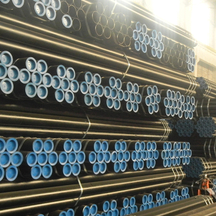
Structural tubing is a versatile hollow steel section designed for load-bearing construction and engineering applications. Available in square, rectangular, and round profiles, it offers an excellent strength-to-weight ratio, providing high rigidity and even stress distribution while reducing overall weight. This makes it highly efficient for building frameworks, bridges, and infrastructure.
Manufactured to strict international standards like ASTM A500 and EN 10219, structural tubing ensures consistent mechanical strength and safety. It is typically made from carbon steel, with galvanized options available for enhanced corrosion resistance in harsh environments. Combining durability, cost-efficiency, and adaptability, structural tubing is an essential, reliable material for modern structural design.
What Is Structural Tubing?
Structural tubing, commonly known as Hollow Structural Sections (HSS), consists of hollow steel sections engineered specifically for load-bearing construction and engineering applications. Unlike standard pipes used for fluid transport, structural tubing is designed to provide mechanical strength and stability in frameworks.
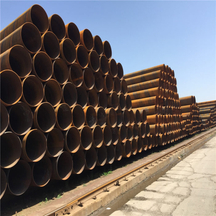
These sections are produced through various manufacturing processes, including Electric Resistance Welding (ERW), seamless, hot-formed, and cold-formed methods, each offering distinct advantages in cost-efficiency, strength, and dimensional accuracy. Structural tubing is primarily available in square, rectangular, and round shapes, catering to diverse structural needs ranging from columns and beams to architectural trusses.
To guarantee safety, consistency, and performance, structural tubing is manufactured to strict international standards such as ASTM A500, ASTM A1085, EN 10219, and EN 10210. These specifications define essential mechanical properties, chemical compositions, and dimensional tolerances. Understanding the definition, shapes, and standards of structural tubing is crucial for engineers and buyers to select the optimal material for safe, efficient, and durable structural systems.
Key Advantages of Structural Tubing.
Advantage | Description & Benefits |
High Strength-to-Weight Ratio | Concentrates material on outer walls to resist bending and torsion, reducing steel consumption, transportation costs, and installation weight. |
Excellent Structural Stability | Closed hollow shape ensures uniform stress distribution and deformation resistance, ideal for both static and dynamic load-bearing systems. |
Easy Fabrication & Installation | Simple to cut, weld, and form; consistent dimensions streamline alignment and reduce labor costs in prefabricated structures. |
Clean & Modern Appearance | Smooth, visually appealing lines make it suitable for both hidden frameworks and exposed contemporary architectural designs. |
Cost Efficiency | Optimizes material usage and lowers handling/labor expenses while delivering high performance, durability, and excellent long-term value. |
Common Applications of Structural Tubing
Structural tubing is a versatile, high-strength material widely used across construction, infrastructure, manufacturing, and energy sectors. Its hollow design offers exceptional load-bearing capacity while reducing overall steel consumption.
In building construction, square and rectangular tubing are extensively used for columns, beams, and roof trusses, providing excellent structural support and aesthetic appeal for exposed architectural designs. For infrastructure and public works, it is essential in building bridges, highway supports, and transportation facilities, offering high stability against dynamic loads and environmental stress.
The manufacturing industry relies on structural tubing for mechanical and industrial equipment, including machine frames, conveyor systems, and material handling structures, due to its uniform shape and lightweight efficiency. In the energy sector, it provides durable frameworks for solar panel mounts and wind turbine towers capable of withstanding harsh conditions. Additionally, agricultural and storage structures such as greenhouses, barns, and warehouses utilize galvanized tubing for long-lasting outdoor durability and modular construction.
Combining strength, efficiency, and adaptability, structural tubing remains a fundamental component in modern engineering and global construction projects.
How to Choose the Right Structural Tubing
Selection Factor | Key Considerations & Best Practices |
Material Grade | Select grades based on strength needs: ASTM A500 (Grades B/C) for general construction, and higher-performance ASTM A1085 for heavy-duty or industrial frameworks. |
Shape Profile | Choose square for balanced column strength, rectangular for directional beam resistance, and round for uniform stress distribution in trusses and architectural designs. |
Wall Thickness | Balance load-bearing capacity with cost; calculate expected loads and spans to select the most efficient thickness without adding unnecessary weight or expense. |
Corrosion Protection | Use standard carbon steel for indoor environments; opt for galvanization or protective coatings for outdoor, coastal, or high-humidity applications. |
Standards & Quality | Ensure compliance with international standards (ASTM, EN) and always verify Mill Test Certificates (MTC) and third-party inspection reports for guaranteed safety. |
Our Recommended Structural Tubing Products and Global Shipping Services
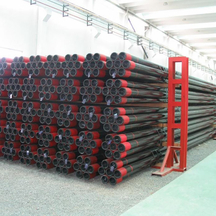
We supply premium structural tubing, including ASTM A500, A1085, and EN 10219/10210 standards in square, rectangular, round, and galvanized profiles for diverse engineering applications. Quality is guaranteed through strict inspections (mechanical, dimensional, NDT) and third-party testing (SGS, BV, TÜV), with Mill Test Certificates (MTC) provided for full traceability.
To ensure safe transit, we offer robust export-grade packaging, including steel strapping, waterproof wrapping, and wooden pallets. Our global logistics team supports FCL, LCL, bulk cargo, and EPC project coordination, providing door-to-port delivery and complete export documentation. Combining high-quality products, rigorous quality control, and flexible shipping solutions, we deliver reliable, cost-effective structural tubing worldwide for construction, infrastructure, and industrial projects.
Common Mistakes When Using Structural Tubing
Using structural tubing incorrectly can compromise safety and project efficiency. A common mistake is selecting the wrong material grade, which can lead to structural failure or unnecessary costs. Equally critical is neglecting accurate load and stress calculations, as undersized tubing may result in bending or buckling under static and dynamic forces.
Choosing the incorrect shape profile also reduces efficiency; for example, rectangular tubing is best for directional beams, while round tubing suits multi-directional stress. Additionally, underestimating corrosion protection needs in outdoor or coastal environments can drastically shorten the material's service life.
It is also a severe risk to ignore international standards and certifications, as non-compliant materials lack guaranteed strength and consistency. Finally, poor fabrication and installation practices, such as improper welding or misalignment, can undermine even the best materials. By carefully evaluating material grades, load requirements, shapes, environmental conditions, and installation quality, engineers can avoid these pitfalls and ensure safe, durable structural systems.
Conclusion
Structural tubing is a versatile, high-strength material essential to modern construction, infrastructure, and industrial design. Its efficient hollow design provides an excellent strength-to-weight ratio, ensuring structural stability while reducing overall material costs.
Available in various manufacturing methods and shapes (square, rectangular, round), structural tubing offers unmatched flexibility for diverse engineering needs. However, achieving optimal performance requires precise selection based on material grade, wall thickness, load requirements, and environmental conditions. Adhering to international standards and avoiding common mistakes—such as inadequate load analysis or insufficient corrosion protection—is crucial for preventing structural failures and unnecessary expenses.
Ultimately, when properly specified and sourced from qualified suppliers, structural tubing delivers superior durability, safety, and cost-efficiency. Careful planning and strict compliance with recognized standards ensure these systems provide reliable, long-term performance for any project.
FAQ:
(1) What is the difference between structural tubing and steel pipe?
Structural tubing is primarily designed for load-bearing applications, while steel pipe is mainly designed for fluid transportation.
(2) What is the most commonly used structural tubing standard?
ASTM A500 is one of the most widely used standards for structural steel tubing in construction and engineering projects.
(3) Is galvanized structural tubing suitable for outdoor use?
Yes, galvanized structural tubing provides enhanced corrosion resistance and is commonly used in outdoor environments.
(4) How do I choose the right wall thickness for structural tubing?
The required wall thickness depends on load requirements, structural design, span length, and applicable engineering standards.
About Us / News / Product / Project / Quality Assurance / Service / Contact Us