Views: 0 Author: Site Editor Publish Time: 2026-11-20 Origin: Site
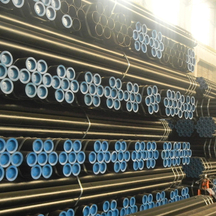
Straight seam steel pipes are widely used in municipal infrastructure for water supply, drainage, and natural gas transportation. Produced by forming steel plates or strips and welding the longitudinal seam, they are commonly classified as Electric Resistance Welded (ERW) and Longitudinal Submerged Arc Welded (LSAW) pipes, meeting different requirements for diameter, wall thickness, and operating pressure.
In water supply systems, they serve transmission pipelines, distribution networks, pumping stations, and treatment facilities, with internal and external anti-corrosion coatings selected according to the service environment. For drinking water applications, coatings must meet potable water contact requirements. In drainage projects, they are used for selected rainwater, wastewater, and large-diameter pipelines, subject to soil conditions, external pressure, and corrosion protection needs. In gas engineering, qualified straight-seam welded pipes are used in certain transmission and distribution systems, where material properties, welding quality, pressure resistance, and safety compliance are critical.
Straight Seam Steel Pipes
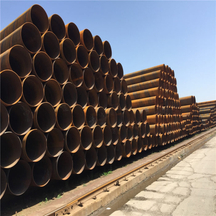
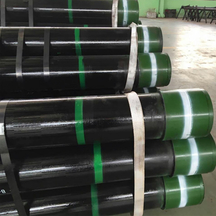
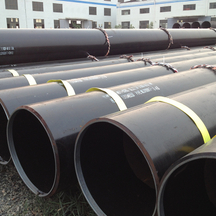
Straight seam steel pipes (longitudinally welded steel pipes) are widely used in municipal, industrial, and infrastructure projects. They are fabricated by rolling steel plates or coils into a cylinder and welding the longitudinal edges. Compared with seamless pipes, they feature flexible sizing, high production efficiency, and broad dimensional coverage. Their quality depends on the raw material, forming method, weld quality, and applicable standards.
Basic Definition & Core Features
Straight seam steel pipes have a weld line parallel to the pipe’s longitudinal axis, differing from spiral-welded pipes with helical seams.
Longitudinal weld seam
Flexible OD and wall thickness options
High production efficiency
Stable dimensional accuracy for diameter, wall thickness, and roundness
Two Main Production Processes: ERW vs LSAW
Item | ERW (Electric Resistance Welded) | LSAW (Longitudinal Submerged Arc Welded) |
|---|---|---|
Raw Material | Steel coils / strips | Steel plates |
Welding Method | Electric resistance pressure welding | Submerged arc welding |
Typical Size | Small & medium diameters | Medium to large diameters, heavy wall |
Production Mode | Continuous, high-speed | Discrete plate forming |
Typical Uses | Municipal water distribution, general low-pressure piping | Large-diameter transmission pipelines, high-demand projects |
ERW: Consistent dimensions, ideal for mass production of medium-small pipe sizes.
LSAW: Superior strength for heavy-wall and large-diameter pipes, suitable for long-distance transmission.
Common Materials & Applicable Standards
Grade / Standard | Application Scope |
|---|---|
Q235B | General structure, permitted low-pressure fluid piping |
Q355B | Higher mechanical strength for load‑bearing or higher‑stress scenarios |
API 5L (Grade B, X42, X52) | Oil & gas line pipe |
GB/T 3091 | Low-pressure fluid welded pipes |
GB/T 9711 | Petroleum & natural gas pipeline steel pipes |
Material and standard selection must match design pressure, medium and local codes. Gas pipelines, for example, require special pipeline compliance. Buyers need to confirm grade, OD, wall thickness, test requirements and anti-corrosion coating before order placement.
Applications of Straight Seam Steel Pipes in Municipal Water Supply Engineering
Municipal water supply networks deliver stable clean water to residential, commercial and industrial areas. These pipelines demand high mechanical strength, consistent performance and reliable anti-corrosion protection. Straight seam steel pipes, including ERW and LSAW types, are widely adopted for water supply projects, with selection determined by diameter, working pressure, water quality and installation conditions.
Application Overview Table
Application Scenario | Recommended Pipe Type | Key Notes |
|---|---|---|
Main water transmission trunk lines | LSAW | Large diameter, for treated water from water plants to reservoirs |
Distribution & branch connecting lines | ERW | Smaller diameter, for urban water distribution networks |
Pump stations & water treatment plant piping | LSAW / ERW | Handles pressure fluctuation for pump discharge and process water |
Buried water pipelines | ERW / LSAW | Equipped with internal lining and external anti-corrosion coating |
Urban Drinking Water Transmission Pipelines
Large‑diameter LSAW straight seam pipes are the preferred choice for main transmission pipelines, while ERW pipes fit smaller distribution and connection branches. Key benefits:
Sufficient strength to bear internal water pressure and external earth loads
Flexible OD and wall thickness options to match design flow
Good weldability for on-site jointing
Efficient production for different order volumes
For potable water service, internal linings must meet drinking water safety standards. External coatings are chosen based on local soil corrosivity.
Piping for Pump Stations and Water Treatment Facilities
Straight seam steel pipes are used for raw water, treated water and process water lines inside treatment plants and pumping stations, such as pump discharge pipelines and equipment connection piping. Selection factors:
Pressure fluctuation from pump operation, which defines required wall thickness
Pipe size matching flow rate and flange connection specs
Water quality and treatment chemicals that may trigger internal corrosion
Layout of pipe supports and equipment interfaces
Proper specification reduces leakage and early degradation risk.
Anti-Corrosion Solutions for Water Supply Steel Pipes
Carbon steel is prone to internal and external corrosion when exposed to water and soil. Common protection options:
Internal epoxy lining: Isolate steel from water; certified for drinking water contact
External 3PE coating: Multi-layer defense against soil corrosion and mechanical impact
External epoxy coating: For exposed or certain buried pipelines
Cathodic protection: Supplementary protection for buried pipelines per design
Surface preparation and coating quality control are critical. Regular inspection helps spot coating damage and corrosion at an early stage.
Applications of Straight Seam Steel Pipes in Municipal Drainage Engineering
Municipal drainage systems carry rainwater, sewage and qualified industrial effluent to avoid urban flooding and environmental pollution. Straight seam steel pipes (ERW and LSAW) are adopted for drainage projects thanks to high structural strength and flexible sizing. Engineers need to assess wastewater properties, soil conditions, external loads and anti-corrosion requirements before specification finalization.
Application Overview Table
Drainage Scenario | Recommended Pipe Type | Key Considerations |
|---|---|---|
Stormwater trunk lines & outlets | LSAW | Large diameter, bear soil and traffic loads; external anti-corrosion required |
Branch rainwater pipelines | ERW | Medium size, for surface runoff collection |
Sewage transmission & pump station piping | LSAW / ERW | Guard against sulfide, microbiological and abrasive corrosion; internal lining essential |
Wastewater treatment plant connections | ERW / LSAW | Easy access for inspection and maintenance |
Urban Rainwater and Stormwater Drainage
LSAW straight seam pipes are widely used for large-capacity stormwater mains and discharge outlets, while ERW pipes fit smaller collection branches. Core benefits:
Robust structure to withstand overburden and traffic loads
Large-diameter options for high peak rainfall flow
Customizable OD and wall thickness
Welded joints for continuous, tight pipeline runs
Buried storm lines require stable bedding, qualified backfilling and external corrosion protection to extend service life.
Municipal Sewage Transportation
Straight seam steel pipes are suitable for sewage transfer lines, pump station links and wastewater plant piping. Sewage contains organics, salts and contaminants that may trigger sulfide corrosion, MIC (microbiologically influenced corrosion) and abrasion from suspended solids. Key evaluation points:
Wastewater pH and chemical composition
Sediment buildup and flow velocity
Abrasion risk from solid particles
Compatible internal lining and external coating
Convenience for inspection and cleaning
Custom lining systems separate the steel substrate from corrosive sewage media.
Installation and Connection Methods
Common approved connections: butt welding and flange joints.
Butt welding: Permanent, seamless joints for long drainage runs
Flange connection: For equipment interfaces or sections needing future disassembly
On-site construction checklist:
Follow certified WPS and perform weld inspection
Prepare stable bedding to avoid differential settlement
Repair scratched coatings and linings before commissioning
Complete leakage testing
Keep the designed gradient for smooth drainage
Applications of Straight Seam Steel Pipes in Municipal Gas Engineering
Municipal gas pipelines deliver natural gas to residential, commercial, and industrial users. Safety is the top priority, so pipes must withstand internal pressure and maintain structural integrity over the long term. Straight seam steel pipes (ERW and LSAW) are widely specified for qualified gas projects, with strict compliance with industry standards and local regulations.
Application Overview Table
Gas Pipeline Section | Recommended Pipe Type | Key Requirements |
|---|---|---|
Medium & small distribution branches | ERW | Consistent dimension, strict weld inspection |
Large‑diameter transmission mains | LSAW | Heavy wall, high mechanical performance |
Buried gas pipelines | ERW / LSAW | External anti‑corrosion coating + cathodic protection |
Urban Natural Gas Transmission and Distribution
ERW pipes are mainly used for small and medium‑diameter distribution networks. LSAW pipes are preferred for large‑diameter transmission trunk lines. Core advantages:
Stable dimensional accuracy
High production efficiency
Reliable mechanical properties if tested to specs
Engineers shall evaluate working pressure, diameter, wall thickness and steel grade. Weld quality is critical to prevent gas leakage.
Material & Manufacturing Specifications for Gas Service
Gas pipelines have stricter rules than water or drainage pipes, focusing on pressure resistance, fracture control and weld soundness.
Steel Grade: API 5L Grade B, X42, X52 are common options, selected per design.
Production Control: ERW and LSAW follow controlled welding, heat treatment and tolerance rules.
Mechanical Performance: Tensile strength, yield strength, elongation and impact toughness are mandatory acceptance indicators.
Quality Inspection: Chemical analysis, mechanical tests, hydrostatic test and NDT for welds. Complete MTC and traceability records are required.
Anti‑Corrosion and Cathodic Protection
Buried gas pipes face soil corrosion. Typical protection systems:
3PE coating: Multi‑layer protection against corrosion and mechanical damage
FBE coating: Alternative for suitable buried conditions
Cathodic protection: Supplementary electrochemical protection
Check coating thickness and holiday defects before laying. Repair all coating damage before backfilling.
Key Factors for Selecting Straight Seam Steel Pipes for Municipal Projects
Proper selection of straight seam steel pipes guarantees safety, durability and operational efficiency for municipal water, drainage and gas pipelines. Water, drainage and gas systems have unique demands on pressure rating, corrosion resistance, material strength and fabrication quality. Engineers and buyers need to assess multiple technical factors before ordering.
Selection Factor Overview Table
Factor | Core Evaluation Points |
|---|---|
Dimension & Pressure | OD for flow capacity; wall thickness for internal pressure and external soil/traffic loads |
Manufacturing Type | ERW for small-to-medium sizes; LSAW for large-diameter, heavy-wall trunk lines |
Material Grade | Q235B, Q355B for general service; API 5L Grade B, X42, X52 for gas pipelines |
Anti-Corrosion System | Internal epoxy lining for water/sewage; external 3PE / FBE coating for buried pipes |
Quality & Compliance | MTC, mechanical test, NDT weld inspection, hydrostatic test, and full heat traceability |
Pipe Diameter, Wall Thickness and Design Pressure
Dimensions determine flow capacity and structural performance.
Outside diameter: Calculated to meet design flow rate
Wall thickness: Designed for internal pressure plus external loads including soil pressure, traffic and groundwater
Pipe length: Optimized for transportation, welding and site layout
Water and gas pipelines follow code-based wall thickness calculation. Drainage pipes focus heavily on external load and foundation conditions.
ERW vs LSAW Straight Seam Steel Pipes
Item | ERW Steel Pipe | LSAW Steel Pipe |
|---|---|---|
Raw Material | Steel coil / strip | Steel plate |
Welding Process | Electric resistance welding | Longitudinal submerged arc welding |
Typical Size | Small & medium diameter | Medium to large diameter, heavy wall |
Production | High efficiency | More forming and welding steps |
Typical Use | Water distribution, medium-pressure gas branches | Large water transmission mains, gas trunk lines |
Choose based on standard, size, pressure, inspection scope and project budget.
Material Grades and Corrosion Protection
Common carbon steel grades: Q235B, Q355B, API 5L Grade B, X42, X52.
Water supply: Match internal lining to potable water standards; select external coating by soil corrosivity
Drainage: Assess wastewater pH, solids abrasion and sulfide corrosion risk
Gas engineering: Use approved pipeline grades and comply with gas safety codes
Coating options: internal epoxy lining, external 3PE or FBE coating for buried pipelines.
Quality Inspection and Project Compliance
Mandatory quality checks:
Chemical and mechanical testing to verify steel grade
NDT inspection for weld integrity
Hydrostatic pressure test
Dimensional check for OD, wall thickness, roundness and length
Heat number marking and full MTC traceability
Gas pipelines require the strictest inspection and acceptance rules due to high safety hazards.
Common Problems and Maintenance Considerations
Straight seam steel pipes are widely adopted in municipal water, drainage and gas projects. Despite solid mechanical strength and flexible production, their long‑term performance relies on material quality, installation workmanship, anti‑corrosion measures and routine maintenance. Typical failures include corrosion, weld defects, leakage and external deformation. Targeted maintenance helps secure pipeline safety and prolong service life.
Common Issues & Maintenance Summary Table
Failure Type | Root Causes | Maintenance & Mitigation Actions |
|---|---|---|
Corrosion & coating damage | Moisture, chemicals, sulfides, dissolved oxygen, scratched coating | Inspect coating integrity; repair damaged lining/3PE/FBE; monitor cathodic protection |
Weld defects & leakage | Incomplete penetration, porosity, cracks, poor on-site welding | NDT inspection (UT/RT/MT/PT); pressure leakage test before commissioning; rework defective welds |
Deformation from external loads | Uneven settlement, heavy traffic, groundwater fluctuation, ground shifting | Standard bedding & backfilling; check pipe ovality; investigate abnormal settlement nearby |
Hidden progressive deterioration | Lack of periodic monitoring | UT thickness testing, leak detection, full inspection records, risk-based inspection schedule |
Corrosion and Coating Damage
Corrosion is the top issue for buried straight seam steel pipes, and risks vary by service type:
Water supply: Internal corrosion triggered by dissolved oxygen and water quality
Drainage: Sulfide, acidic media and microbiological corrosion from sewage
Gas pipelines: External soil corrosion
Protective systems: internal epoxy lining, external 3PE, FBE coating and cathodic protection. Maintenance focus: Locate coating holidays and damage, carry out approved repair works, and track cathodic protection readings regularly.
Weld Defects and Pipeline Leakage
Straight seam pipes have factory longitudinal welds, plus circumferential field joints. Common weld flaws: incomplete fusion, cracks, porosity, surface contamination and joint leakage. Control measures:
Follow certified WPS and matching filler materials
Apply UT, RT, MT or PT for weld inspection
Complete hydrostatic or leak tests before putting into service Gas pipelines require stricter weld acceptance per local safety codes.
Pipeline Deformation and External Loads
Buried pipes bear soil pressure, traffic loads and groundwater variation. Uneven settlement may lead to ovality, bending stress, weld fracture and coating cracking. Preventive controls: qualified foundation, proper bedding and backfilling, structural design accounting for external loads. Any abnormal pressure fluctuation, leakage or ground subsidence along the route needs timely investigation.
Inspection and Long-Term Maintenance
Inspection frequency is determined by service risk and local regulations. Core maintenance items:
Visual check for accessible pipes, valves and supports
Ultrasonic wall thickness measurement to track metal loss
NDT re-inspection for critical welds
Leak detection for water or gas pipelines
Coating assessment and cathodic protection monitoring
Complete maintenance files for inspection, repair and test records
Our Recommended Straight Seam Steel Pipe Products and Global Shipping Services
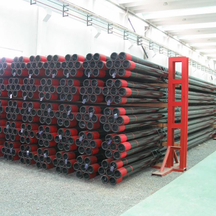
Supplies straight-seam steel pipes for municipal water supply, drainage, and gas engineering projects. Product options include ERW carbon steel pipes, LSAW steel pipes, Q235B and Q355B straight seam steel pipes, and API 5L pipes for pipeline transportation projects. Customized outside diameters, wall thicknesses, lengths, and material grades are available according to project drawings, with internal and external anti-corrosion coatings such as epoxy and 3PE systems selected based on the service environment.
Quality control covers chemical composition analysis, tensile and mechanical property testing, dimensional inspection, longitudinal weld and non-destructive testing, hydrostatic testing where required, surface and coating inspection, and Material Test Certificates with heat number traceability. Buyers should confirm inspection methods, acceptance criteria, and documentation before order confirmation.
Conclusion:
Straight seam steel pipes are widely used in municipal water supply, drainage, and gas engineering for their reliable mechanical properties, flexible manufacturing, and compatibility with protective coatings. Selecting suitable pipes requires more than comparing prices and dimensions. Water supply projects should consider water quality, operating pressure, internal corrosion protection, and drinking-water contact compliance. Drainage projects require attention to wastewater composition, soil conditions, external loads, and chemical corrosion resistance. Gas engineering demands approved materials, welding quality, nondestructive testing, pressure performance, and external corrosion protection in line with applicable standards. The choice between ERW and LSAW pipes should be based on diameter, wall thickness, design pressure, material properties, and manufacturing capability. Reliable quality control, material certificates, proper packaging, transportation, and installation are also essential. Matching pipe specifications with actual operating conditions and working with a reliable supplier helps achieve safer operation, better durability, and more efficient long-term maintenance for municipal pipeline projects.
FAQ:
Q1: What are the main applications of straight seam steel pipes in municipal engineering?
They are used in selected municipal water supply, drainage, sewage transportation, and natural gas pipeline projects.
Q2: What is the difference between ERW and LSAW steel pipes?
ERW pipes are produced by resistance welding and are commonly used for smaller and medium diameters. LSAW pipes are made from steel plates using submerged arc welding and are often selected for large-diameter, heavy-wall applications.
Q3: Can straight seam steel pipes be used for municipal natural gas pipelines?
Yes, provided they meet the required material, manufacturing, inspection, pressure, and local gas pipeline regulations.
Q4: What coatings are commonly used for municipal straight seam steel pipes?
Common external protection systems include 3PE, FBE, and other approved anti-corrosion coatings. Internal linings depend on the transported medium and project requirements.
Q5: How do I choose the correct wall thickness for straight seam steel pipes?
Wall thickness should be determined by design pressure, pipe diameter, material grade, external loads, installation conditions, and applicable engineering standards.
About Us / News / Product / Project / Quality Assurance / Service / Contact Us