Views: 0 Author: Site Editor Publish Time: 2026-09-18 Origin: Site
Choosing between ASTM A500 Grade B and Grade C round pipes requires balancing structural strength, fabrication needs, and project cost. Grade C offers higher minimum yield strength (50,000 psi) and tensile strength (62,000 psi) compared to Grade B (46,000 psi yield, 58,000 psi tensile), making it ideal for heavy-load applications like bridges and industrial frames.
However, Grade B remains the more economical choice for standard structural uses, with better formability and lower material cost. The right selection depends on engineering calculations, dimensional requirements, welding procedures, and total project budget—not just price per ton.
ASTM A500 Grade B and Grade C Round Pipe Specifications
ASTM A500 Grade B and C round pipes are carbon steel structural tubes for applications requiring strength, dimensional control, and fabrication performance. Both are covered by ASTM A500 (cold-formed welded and seamless).
Quick Comparison
Property | Grade B | Grade C |
|---|---|---|
Min. Yield Strength | 46 ksi (315 MPa) | 50 ksi (345 MPa) |
Min. Tensile Strength | 58 ksi (400 MPa) | 62 ksi (425 MPa) |
Typical Use | General structural applications | Higher-strength structural applications |
Key Details
1. Mechanical Properties
Aspect | Details |
|---|---|
Main difference | Minimum specified yield strength |
Grade C advantage | Higher resistance to yielding and tensile loading |
Actual capacity depends on | OD, wall thickness, unsupported length, connections, loading, design method |
2. Dimensions and Tolerances
Factor | Impact |
|---|---|
Outside diameter | Fit-up and structural properties |
Wall thickness | Weight and capacity |
Length | Installation |
Tolerances | Connection details and calculated properties |
Weld area | Quality for structural loads |
3. Chemical Composition and Certification
Check |
|---|
Mill Test Certificate (MTC) |
Material grade |
Dimensions |
Chemical composition |
Yield strength |
Tensile strength |
Other required test results |
Third-party inspection (if required) |
Selection Factors
Factor | Why It Matters |
|---|---|
Required strength | Grade selection |
Pipe dimensions | Structural capacity |
Fabrication needs | Welding and forming |
Availability | Procurement |
Cost | Project economics |
Yield Strength Comparison: Grade B vs. Grade C
Yield strength represents the stress at which steel begins to undergo permanent deformation. For columns, braces, trusses, and frames, it helps engineers determine whether a pipe meets design loads.
Quick Comparison
Property | Grade B | Grade C |
|---|---|---|
Min. Yield Strength | 46 ksi (315 MPa) | 50 ksi (345 MPa) |
Min. Tensile Strength | 58 ksi (400 MPa) | 62 ksi (425 MPa) |
Relative Yield Strength | Lower | Higher |
Key Considerations
1. Yield Strength Is Not the Only Factor
Also Consider |
|---|
Outside diameter |
Wall thickness |
Member length |
End conditions |
Connection design |
Buckling behavior |
Applied loads |
2. When to Use Each Grade
Grade | When to Consider |
|---|---|
B | Calculations show its properties meet requirements |
C | Higher specified strength needed; structural optimization useful |
3. Higher Yield Strength ≠ Always Suitable
Also Review |
|---|
Fabrication requirements |
Welding procedures |
Dimensional tolerances |
Availability |
Project specifications |
4. Verify Supplied Material
Check |
|---|
Mill Test Certificate (MTC) |
Heat number |
Chemical composition |
Mechanical test results |
Material grade |
ASTM A500 Grade B vs. Grade C: Cost Comparison
Grade C has higher specified strength, but the purchasing decision should not be based only on price per ton. Grade, dimensions, quantity, production, availability, transport, and steel consumption all affect final cost.
Key Cost Factors at a Glance
Factor | Impact on Cost |
|---|---|
Material Price | Varies by market, grade, availability, order volume |
Weight & Structural Efficiency | Grade C may allow reduced weight if design permits |
Fabrication | Cutting, welding, surface treatment |
Logistics | Packaging, handling, domestic/export freight |
Inspection | Testing and documentation requirements |
Delivery | Lead time, minimum order quantities |
Key Details
1. Material Price Differences
Aspect | Details |
|---|---|
Influenced by | Steel raw material prices, manufacturing costs, supply, quotations |
Grade C | May carry a higher price due to higher specified properties |
Note | Not universal—availability and order volume can matter more |
2. Weight and Structural Efficiency
Scenario | Result |
|---|---|
Grade C allows reduced steel weight (per design) | Higher unit price offset by lower material consumption |
Same dimensions required for both grades | Grade B may have lower initial purchase cost |
3. Other Costs to Consider
Cost Factor |
|---|
Pipe weight and total material consumption |
Cutting, welding, fabrication |
Surface treatment or corrosion protection |
Packaging and handling |
Domestic transportation or export freight |
Inspection and testing |
Delivery time and availability |
Minimum order quantities |
4. How to Compare Quotations
Ensure Same |
|---|
Outside diameter |
Wall thickness |
Length |
Quantity |
Standard |
Delivery terms |
Inspection requirements |
How to Choose Between ASTM A500 Grade B and Grade C
Choosing between Grade B and Grade C requires more than comparing yield strength or price. The right choice depends on design requirements, pipe dimensions, loading, fabrication, availability, and budget.
Selection Steps at a Glance
Step | Action | Key Point |
|---|---|---|
1. Required Strength | Determine minimum mechanical properties | Grade B: 46 ksi; Grade C: 50 ksi yield |
2. Pipe Size & Wall Thickness | Evaluate OD, wall thickness, section properties | Complete spec matters more than grade alone |
3. Total Project Cost | Compare steel weight, fabrication, freight, inspection | Not just unit price |
4. Fabrication Requirements | Review welding, cutting, bending | Match grade to fabrication process |
5. Availability & Certification | Confirm stock, lead time, MTC | Verify grade and properties |
Key Details
1. Start With the Required Strength
Grade | Min. Yield Strength |
|---|---|
B | 46 ksi (315 MPa) |
C | 50 ksi (345 MPa) |
2. Consider Pipe Size and Wall Thickness
Factor | Impact |
|---|---|
Outside diameter | Section properties |
Wall thickness | Weight, stiffness, load capacity |
Note | Properly sized Grade B may outperform undersized Grade C |
3. Compare the Total Project Cost
Include |
|---|
Steel weight |
Fabrication |
Transportation |
Inspection |
Installation |
Export packing and freight (international) |
4. Review Fabrication Requirements
Consider |
|---|
Welding procedures |
Cutting and bending |
Manufacturer documentation |
Project fabrication requirements |
5. Check Availability and Certification
Confirm |
|---|
Required dimensions regularly available |
Delivery time |
Mill Test Certificate (MTC) |
Grade, dimensions, chemical composition, mechanical properties |
Grade B or Grade C?
Grade | When to Choose |
|---|---|
B | Specified properties satisfy engineering requirements |
C | Higher specified yield and tensile strength required or beneficial |
Common Applications of ASTM A500 Grade B and Grade C Round Pipes
Both grades are widely used in structural projects for their strength, dimensional consistency, and fabrication characteristics. The required grade should always be determined by engineering calculations, project specs, and design standards.
Applications at a Glance
Application | Typical Use | Key Considerations |
|---|---|---|
Building Columns & Supports | Columns, posts, load-bearing members | Calculated loads; Grade B or C per design |
Bracing & Truss Members | Diagonal braces, truss chords | Loads, connections, appearance |
Bridges & Infrastructure | Bridge components, guard structures, support frames | Dimensional control, testing, traceability |
Mechanical & Equipment Frames | Machine supports, agricultural equipment, industrial structures | Expected loads, design, fabrication |
Transportation & General Fabrication | Trailers, storage systems, fencing, general steelwork | Available diameters and wall thicknesses |
Key Details
1. Building Columns and Structural Supports
Aspect | Details |
|---|---|
Use | Columns, posts, supports, load-bearing members |
Advantage | Circular cross-section; useful structural properties |
Grade B | Suitable when calculated loads are safely supported |
Grade C | For designs requiring higher specified strength |
2. Bracing and Truss Members
Aspect | Details |
|---|---|
Use | Diagonal braces, truss chords |
Advantage | Efficient tubular structures; clean appearance |
Connection | Welding, bolting, engineered systems |
Selection | Grade and dimensions per calculated loads |
3. Bridges and Infrastructure
Aspect | Details |
|---|---|
Use | Bridge components, guard structures, support frames |
Requirements | Dimensional control, mechanical testing, traceability |
Action | Review project specification for required standard or grade |
4. Mechanical and Equipment Frames
Aspect | Details |
|---|---|
Use | Equipment frames, machine supports, agricultural equipment |
Advantage | Strength with relatively efficient weight |
Grade B | May satisfy non-critical frames |
Grade C | When higher specified strength is needed |
5. Transportation and General Fabrication
Aspect | Details |
|---|---|
Use | Trailers, storage systems, fencing frameworks |
Advantage | Available in various diameters and wall thicknesses |
Benefit | Adaptable to different designs |
Selection Factors
Factor | Why It Matters |
|---|---|
Pipe dimensions | Structural capacity |
Calculated loads | Grade selection |
Design requirements | Compliance |
Fabrication conditions | Welding and forming |
Specified mechanical properties | Performance |
Our Recommended ASTM A500 Round Pipe Products and Global Shipping Services
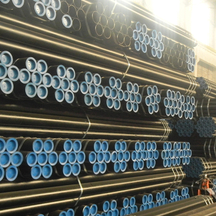
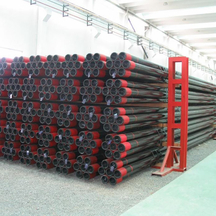
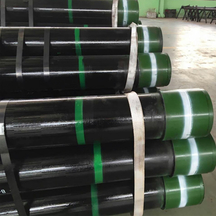
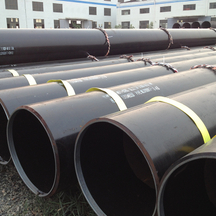
We supply certified ASTM A500 Grade B and Grade C round steel pipes tailored for structural, mechanical, and infrastructure projects. Grade B offers cost-effective performance for standard frames and supports, while Grade C delivers higher yield strength for heavy-duty applications like bridges and industrial frameworks.
Our products are available in custom outside diameters, wall thicknesses, and lengths, backed by full Mill Test Certificates (MTCs), dimensional inspection, and optional third-party verification to ensure strict compliance with your specifications.
We provide end-to-end global shipping solutions, including secure export bundling, protective packaging, and coordinated logistics to major ports worldwide. Contact us today with your required grade, dimensions, quantity, and destination for a competitive quotation.
Conclusion:
Choosing between ASTM A500 Grade B and Grade C round pipes requires balancing mechanical performance, structural requirements, and total project cost. Grade C offers a higher minimum yield strength (50 ksi / 345 MPa) compared to Grade B (46 ksi / 315 MPa), making it ideal for heavy-load applications. However, Grade B remains a cost-effective solution when its specified properties meet the engineering design.
The optimal selection depends on accurate load calculations, pipe dimensions (OD and wall thickness), and fabrication needs—not just price per ton. Proper dimensional planning can reduce material weight and overall expenses. Strict quality verification through Mill Test Certificates (MTCs) is also essential to ensure compliance.
FAQ:
1. Is ASTM A500 Grade C stronger than Grade B?
Yes. Grade C has a higher minimum specified yield strength and tensile strength than Grade B for round tubing.
2. Is ASTM A500 Grade C more expensive than Grade B?
Not necessarily. Pricing depends on grade, dimensions, quantity, steel market conditions, availability, and supplier costs.
3. Which ASTM A500 grade should I choose for structural applications?
Choose the grade that meets the project's required strength, dimensions, design code, and fabrication requirements.
4. Can Grade B and Grade C round pipes be used for the same applications?
Yes. Their applications can overlap, but the required mechanical properties and project specifications determine the appropriate grade.

About Us / News / Product / Project / Quality Assurance / Service / Contact Us
