Views: 0 Author: Site Editor Publish Time: 2026-11-09 Origin: Site
Steel pipe sheet piles and U-shaped steel sheet piles are widely used in foundation engineering, retaining walls, waterfront construction, and underground excavation. Steel pipe sheet piles consist of large-diameter steel pipes connected through special joints, offering high structural stiffness for heavy-duty marine, deep foundation, and lateral-load applications. U-shaped steel sheet piles feature interlocking U-sections that form continuous retaining walls for foundation pits, riverbank protection, road works, and temporary cofferdams. Selection should consider structural stiffness, section modulus, installation depth, soil conditions, joint design, water-stopping performance, construction efficiency, and total project cost. Neither system is universally stronger; actual performance depends on design, ground conditions, connection details, and construction quality.
Steel Pipe Sheet Piles: Structure, Characteristics, and Applications
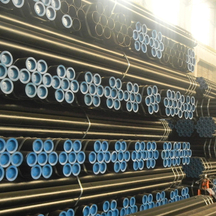
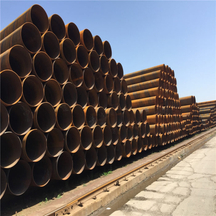
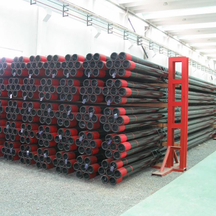
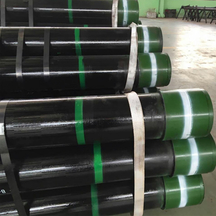
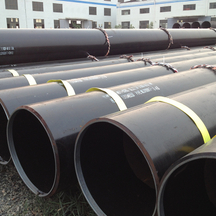
Steel pipe sheet piles are a type of deep foundation and retaining wall system commonly used in marine engineering, bridge construction, deep excavation support, and heavy-duty infrastructure projects. They are generally made from large-diameter steel pipes connected through specially designed interlocking joints or connector sections. These connections allow individual pipes to form a continuous wall that resists lateral soil pressure and, when properly designed, helps control groundwater seepage.
Compared with conventional U-shaped steel sheet piles, steel pipe sheet piles offer greater flexibility in selecting pipe diameter, wall thickness, and connection arrangements—making them suitable for projects involving substantial lateral loads and demanding ground conditions.
Structure and Connection Methods
Connection Type | Description |
|---|---|
Interlocking connectors | Specially designed joints connect adjacent pipe sections and help maintain wall continuity |
Welded connectors | Connector components welded to the pipes according to project design |
Combined configurations | Different pipe sizes and connection components arranged to meet specific structural and construction requirements |
Pipe diameter, wall thickness, steel grade, and connector design should be determined through structural calculations and geotechnical assessment.
Main Characteristics
Characteristic | Key Points |
|---|---|
High bending stiffness | Large-diameter pipes provide substantial bending stiffness and section modulus; with suitable wall thickness and connections, resist significant lateral loads from soil, groundwater, and nearby structures |
Flexible structural design | Adjustable pipe diameter, wall thickness, steel grade, and spacing—useful for heavy-duty retaining structures and specialized foundation projects |
Suitability for deep applications | Can be designed for deep installation and large excavation; achievable depth depends on soil conditions, pipe dimensions, driving equipment, installation method, and structural design |
Potential for groundwater control | Connected pipes form a continuous retaining wall; water-stopping performance depends on connector configuration, joint sealing, installation accuracy, and ground conditions—additional sealing or grouting may be necessary for strict seepage control |
Applications
Industry | Typical Uses |
|---|---|
Marine and port engineering | Quay walls, waterfront retaining structures, harbor construction |
Bridge foundations | Cofferdams and foundation support around bridge construction sites |
Deep excavation | Retain soil and support excavation in demanding ground conditions |
River and flood-control projects | Stabilize riverbanks and waterfront structures |
Heavy-duty retaining walls | Infrastructure projects with significant lateral earth pressure and surcharge loads |
Advantages and Limitations
Advantages:
High structural stiffness
Flexible design options
Suitable for demanding retaining applications
Large cross-sections provide strong bending resistance when properly designed
Limitations:
May require more steel material
Heavier lifting equipment and specialized installation methods
Large pipe sections can increase transportation and handling costs
Connector design and joint sealing require careful attention, particularly for strict groundwater control
U-Shaped Steel Sheet Piles: Structure, Characteristics, and Applications
U-shaped steel sheet piles are widely used in foundation engineering, retaining walls, waterfront construction, and underground excavation. They feature a U-shaped cross-section with interlocking edges that allow individual sections to connect and form a continuous retaining wall, resisting lateral soil pressure for both temporary and permanent ground-retention applications.
Compared with steel pipe sheet piles, U-shaped piles have a more compact profile and are generally easier to handle, transport, and install using conventional sheet pile equipment. Performance depends on profile dimensions, steel grade, wall arrangement, and connection conditions.
Structure and Connection System
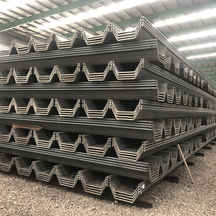
A U-shaped steel sheet pile consists of a web, two flanges, and interlocking joints along its edges. During installation, adjacent sections connect through these interlocks to create a continuous wall.
Feature | Description |
|---|---|
U-shaped cross-section | Web and flanges form a profile designed for bending resistance |
Interlocking edges | Connect adjacent piles and help maintain wall continuity |
Profile dimensions | Various widths, heights, thicknesses, and lengths to meet project requirements |
Modular installation | Individual sections connect to form retaining walls of different lengths and configurations |
Interlock design is important—it affects wall alignment, connection behavior, and water seepage. Installation accuracy and joint condition must be carefully controlled.
Main Characteristics
Characteristic | Key Points |
|---|---|
Efficient structural performance | Cross-sectional geometry provides bending resistance; actual wall stiffness depends on section properties, steel grade, installation arrangement, and pile interaction |
Flexible profile selection | Different widths, thicknesses, and lengths to match excavation depth, soil pressure, groundwater conditions, and structural design |
Convenient transportation and installation | Easier to stack, bundle, lift, and transport than large-diameter pipe piles; conventional vibratory or impact driving equipment |
Reusability | Temporary piles can sometimes be extracted and reused, depending on corrosion, deformation, interlock damage, and project specifications |
Water-stopping capability | Interlocking joints create a continuous wall but not automatically a watertight barrier; leakage depends on interlock condition, installation accuracy, soil, and groundwater pressure—sealing or grouting may be required |
Applications
Industry | Typical Uses |
|---|---|
Foundation pit support | Retain soil around building foundations and basement excavations |
Riverbank protection | Stabilize riverbanks, canals, and drainage channels |
Road and railway construction | Retaining structures and infrastructure excavation support |
Temporary cofferdams | Create enclosed construction areas for foundation and waterfront work |
Port and waterfront engineering | Quay walls and other retaining structures when design requirements are met |
Flood-control projects | Soil retention and support for flood-protection structures |
Advantages and Limitations
Advantages:
Flexible profile selection
Convenient transportation
Relatively straightforward installation
Suitable for many temporary and permanent retaining structures
Interlocking system enables efficient continuous wall construction
Limitations:
Bending stiffness and load-bearing capacity depend on selected profile and installed wall configuration
Engineers must consider effective section properties, interlock behavior, soil pressure, groundwater loads, and support conditions
Heavy lateral loads or strict water-stopping requirements may need additional structural reinforcement or seepage-control measures
Steel Pipe Sheet Piles vs. U-Shaped Steel Sheet Piles: Key Differences and Comparison
Steel pipe sheet piles and U-shaped steel sheet piles are both widely used in foundation engineering, retaining walls, marine construction, and excavation support. Both can form continuous retaining walls to resist lateral soil pressure and help control groundwater seepage. However, their cross-sectional structures, connection methods, structural characteristics, and installation requirements differ.
Understanding these differences helps engineers and contractors select a suitable system based on project loads, excavation depth, ground conditions, water-stopping requirements, and construction costs.
Structural and Performance Comparison
Comparison Factor | Steel Pipe Sheet Piles | U-Shaped Steel Sheet Piles |
|---|---|---|
Cross-sectional shape | Circular steel pipes | U-shaped profile |
Connection method | Interlocking joints or connector sections | Interlocking edges |
Structural stiffness | Large pipe diameters can provide high bending stiffness | Depends on profile geometry and effective wall section properties |
Design flexibility | Pipe diameter, wall thickness, and connection arrangement can be adjusted | Profile width, height, thickness, and steel grade can be selected |
Typical applications | Marine structures, heavy-duty retaining walls, bridge foundations, deep excavations | Foundation pits, riverbank protection, cofferdams, general retaining walls |
Transportation | Large sections may require heavier handling equipment | Generally easier to stack and bundle |
Installation | May require specialized lifting and driving equipment | Often compatible with conventional sheet pile installation equipment |
Water-stopping | Depends on connector design and joint sealing | Depends on interlock condition and supplementary sealing measures |
Actual structural performance must be evaluated using specific product dimensions, section properties, connection details, and design conditions.
1. Differences in Structural Stiffness
Steel pipe sheet piles – can achieve substantial bending stiffness due to large circular cross-sections; increasing pipe diameter or wall thickness improves individual pipe properties
U-shaped sheet piles – provide bending resistance through web-and-flange geometry; performance depends on the selected profile and how effectively interlocks transfer forces between adjacent sections
Important distinction: the stiffness of an individual pile differs from the behavior of the complete retaining wall. For pipe sheet piles, spacing and connector arrangement affect how connected pipes work together. For U-shaped piles, interlock behavior and effective section properties of the installed wall must be considered.
Steel pipe sheet piles should not automatically be considered stronger than U-shaped sheet piles. Compare bending stiffness, section modulus, wall deflection, and structural weight under the same design conditions.
2. Installation Depth and Construction
Both systems can be designed for deep foundation and retaining wall applications. Achievable installation depths depend on soil resistance, groundwater conditions, pile dimensions, driving equipment, and construction methods.
Steel pipe sheet piles – may require larger lifting capacity and specialized installation arrangements due to size and weight
U-shaped sheet piles – generally more convenient to transport and handle; practical for many conventional excavation and retaining projects
3. Water-Stopping Performance
Neither system is automatically watertight:
Steel pipe sheet piles – rely on connecting joint performance
U-shaped sheet piles – depend on interlock condition and alignment
For strict groundwater control, engineers may specify joint seals, welding, grouting, or other supplementary measures. Installation accuracy and joint damage prevention are also important.
4. Which System Is More Suitable?
Project Condition | Recommended Consideration |
|---|---|
Heavy structural loads, large retaining structures, demanding marine or foundation applications | Steel pipe sheet piles |
General excavation support, riverbank protection, temporary cofferdams, convenient handling and installation | U-shaped steel sheet piles |
Comparison of Stiffness and Structural Performance
Stiffness and structural performance are important factors when selecting between steel pipe sheet piles and U-shaped steel sheet piles. In retaining wall and foundation projects, sheet piles must resist lateral forces from soil pressure, groundwater, construction loads, and nearby structures. Their ability to control deformation and maintain structural stability directly affects construction safety and long-term performance.
Although steel pipe sheet piles often feature large cross-sections and U-shaped sheet piles have a compact interlocking profile, neither system is universally stronger. A reliable comparison requires evaluating section properties, connection behavior, material strength, and installed wall configuration.
Key Design Parameters
Parameter | Meaning | Implication |
|---|---|---|
Bending stiffness (EI) | Member's resistance to bending deformation | Higher EI generally means greater resistance to deflection under comparable loading and support conditions |
Section modulus (W) | Relates to bending stress under a given bending moment | Higher W generally provides greater bending resistance at the same yield strength |
Moment of inertia (I) | Describes how cross-sectional material is distributed around the bending axis | A key component of bending stiffness |
1. Structural Performance of Steel Pipe Sheet Piles
Circular steel pipes as main structural components—large diameters can provide substantial moments of inertia, suitable for applications involving significant bending loads.
Adjustable design variables:
Pipe diameter – larger diameters can increase the moment of inertia
Wall thickness – thicker walls improve section properties and resistance to local deformation
Steel grade – higher-strength steel can increase bending resistance, subject to design limits
Connector design – influences how the complete wall transfers loads and behaves structurally
Important: the stiffness of an individual pipe is not necessarily equal to the stiffness of the complete retaining wall. Pipe spacing, connector geometry, and the degree of structural interaction between adjacent pipes must be considered.
2. Structural Performance of U-Shaped Steel Sheet Piles
Bending resistance comes from the combined geometry of the web and flanges. Section properties depend on profile height, width, thickness, and steel grade.
Main factors:
Profile dimensions – larger or deeper profiles may provide higher section properties
Steel thickness – influences bending resistance and local stability
Interlock behavior – the ability of adjacent piles to transfer forces affects effective structural behavior of the installed wall
Installation arrangement – actual wall configuration and design assumptions influence effective stiffness and load distribution
Use the appropriate section properties for the installed wall and verify whether the design method accounts for interlock shear transfer and any applicable reduction in effective section modulus.
3. Key Factors Affecting Overall Structural Performance
The stiffness of the sheet pile material alone does not determine the performance of a retaining structure.
Lateral loads – soil pressure, groundwater pressure, nearby buildings, traffic, and construction equipment
Soil conditions – strength, density, groundwater level, and stratification influence required embedment depth and support system
Support conditions – anchors, struts, and other bracing affect bending moments and wall deflection
Structural stability – bending strength, shear resistance, local buckling, and overall stability must be checked
Corrosion protection – material loss over time can reduce wall thickness and structural capacity, particularly in marine and aggressive environments
4. Which Sheet Pile System Offers Better Stiffness?
Steel pipe sheet piles – can provide high bending stiffness through large pipe diameters and suitable wall thicknesses
U-shaped sheet piles – can achieve considerable structural performance through optimized profile geometry and effective wall design
The better option depends on required wall stiffness, allowable deflection, structural loading, soil conditions, connection details, and project budget. Compare calculated EI, section modulus, bending capacity, and expected wall deformation using consistent design assumptions.
Installation Depth and Water-Stopping Performance
Installation depth and water-stopping performance are two important considerations when selecting steel pipe sheet piles or U-shaped steel sheet piles. These factors directly affect the stability of retaining walls, foundation excavations, cofferdams, and marine construction projects.
Both systems can be used in deep excavation and water-related engineering. However, actual performance depends on pile dimensions, soil conditions, groundwater pressure, connection design, installation equipment, and construction quality—neither type has a universal advantage in every project.
1. Factors Affecting Installation Depth
Achievable installation depth is not determined by the sheet pile profile alone.
Factor | Impact on Installation |
|---|---|
Soil conditions | Dense sand, gravel, hard clay, and rock layers increase driving resistance and make installation more difficult |
Pile dimensions | Length, diameter or profile size, wall thickness, and material strength influence installation requirements |
Groundwater conditions | High groundwater levels and hydraulic pressure affect excavation stability and construction methods |
Installation equipment | Vibratory hammers, impact hammers, and pressing equipment have different capabilities and limitations |
Construction restrictions | Nearby buildings, underground utilities, vibration limits, and noise restrictions may influence method choice |
For deep excavations, design must also consider embedment depth, lateral earth pressure, groundwater pressure, and the support system. Anchors or internal bracing may be necessary to control wall movement.
2. Installation Depth: Steel Pipe Sheet Piles vs. U-Shaped Sheet Piles
Aspect | Steel Pipe Sheet Piles | U-Shaped Steel Sheet Piles |
|---|---|---|
Structural capability | Large pipe sections provide substantial bending stiffness; suitable for deep excavation, bridge foundation, port, and marine projects | Compact profile with interlocking edges; commonly used in foundation pits, riverbank protection, and cofferdams |
Installation requirements | May require heavy lifting equipment and specialized driving arrangements; large diameters and thick walls may increase penetration resistance | Practical depth depends on profile dimensions, steel thickness, pile length, soil resistance, and driving equipment; convenient to stack, transport, and handle |
Deep excavation considerations | Evaluate equipment capacity, pipe length, connection alignment, and ground conditions; preliminary geotechnical investigation is important | May need larger profiles, increased embedment depth, or additional anchors and bracing; installation accuracy is essential to avoid damaged or misaligned interlocks |
3. Comparison of Water-Stopping Performance
Factor | Steel Pipe Sheet Piles | U-Shaped Steel Sheet Piles |
|---|---|---|
Connection arrangement | Connector sections or interlocking joints | Interlocking edges |
Main seepage risk | Leakage through pipe connectors and joints | Leakage through interlocks |
Sealing methods | Joint sealing, welding, or grouting where specified | Interlock sealants, welding, or grouting where specified |
Installation requirements | Accurate pipe positioning and connector alignment | Accurate interlock engagement and pile alignment |
Typical applications | Marine structures, cofferdams, heavy retaining walls | Foundation pits, riverbanks, temporary water-retaining structures |
Neither system should automatically be considered completely watertight. Water-stopping performance depends on joint design, installation accuracy, soil permeability, groundwater head, and acceptable leakage rate. For strict groundwater control, additional sealing measures or a separate waterproofing system may be necessary.
4. How to Improve Installation and Water-Stopping Reliability
Conduct geotechnical investigations and select suitable pile dimensions
Confirm equipment capacity before installation
Monitor pile verticality, joint engagement, driving resistance, and visible damage during construction
Specify joint sealing according to groundwater pressure and project requirements
Consider grouting or supplementary treatments where leakage remains unacceptable
How to Choose the Right Sheet Pile System for Different Projects
Choosing between steel pipe sheet piles and U-shaped steel sheet piles depends on project type, structural loads, soil conditions, water-stopping requirements, and total project cost. Steel pipe sheet piles are often considered for heavy-duty marine structures, deep foundations, and applications requiring large structural sections and high bending stiffness. U-shaped steel sheet piles are practical for conventional excavation support, riverbank protection, temporary cofferdams, and projects where transportation and installation efficiency are important. Selection should be supported by structural calculations, geotechnical investigations, and construction planning, considering moment of inertia, section modulus, expected deflection, embedment depth, anchor and bracing requirements, joint sealing, and corrosion protection. Steel pipe sheet piles may require heavier lifting and specialized equipment, while U-shaped sheet piles are generally easier to handle with conventional machinery.
Conclusion:
Selecting the right sheet pile system requires balancing structural stability, water control, installation efficiency, and total project cost. Steel pipe sheet piles use large-diameter pipes with special joints, offering adjustable stiffness for heavy-duty marine structures, bridge foundations, and deep cofferdams. U-shaped steel sheet piles feature interlocking web-and-flange sections, making them efficient for foundation pits, riverbank protection, and temporary retaining walls. Neither system is universally stronger or more watertight; performance depends on profile dimensions, steel grade, connection quality, wall configuration, and site conditions. Buyers should evaluate bending stiffness, section modulus, embedment depth, groundwater pressure, sealing requirements, available installation equipment, and corrosion protection. Product specifications should be confirmed through dimensional checks, interlock compatibility, surface inspection, and material test certificates.
FAQ:
1. What is the main difference between steel pipe sheet piles and U-shaped steel sheet piles?
Steel pipe sheet piles consist of large-diameter steel pipes connected by joints or connectors, while U-shaped sheet piles feature a U-shaped cross-section with interlocking edges.
2. Which type of sheet pile offers higher bending stiffness?
Steel pipe sheet piles can achieve high bending stiffness through large pipe diameters and suitable wall thicknesses. However, actual performance depends on section properties, connections, and wall configuration.
3. Which sheet pile system is more suitable for deep excavation projects?
Both systems can be used for deep excavations. Selection depends on structural loads, soil conditions, required embedment depth, installation equipment, and support arrangements.
4. Which type provides better water-stopping performance?
Neither system is automatically watertight. Water-stopping performance depends on joint design, interlock quality, installation accuracy, and supplementary sealing measures.
5. Can steel pipe sheet piles and U-shaped sheet piles be used in marine construction?
Yes. Both can be used in ports, waterfront structures, cofferdams, and river protection projects, provided their structural and corrosion-protection requirements are properly addressed.
About Us / News / Product / Project / Quality Assurance / Service / Contact Us