Views: 0 Author: Site Editor Publish Time: 2026-11-23 Origin: Site
Finned tubes enhance heat transfer in heat exchangers, boilers, condensers, and air coolers, but their performance depends heavily on the base pipe—the main pressure-bearing and heat-transfer component. Selecting the correct base pipe standard is therefore critical.
ASTM A179, A213, and A214 are distinct standards and are not interchangeable. ASTM A179 covers cold-drawn seamless low-carbon steel tubes for heat exchangers and condensers. ASTM A213 covers seamless ferritic and austenitic alloy-steel tubes for boilers, superheaters, and heat exchangers under more demanding temperature and corrosion conditions. ASTM A214 covers electric-resistance-welded carbon steel tubes for heat exchangers and condensers.
The correct standard ensures the finned tube withstands required temperatures, pressures, mechanical loads, and service environments. Material composition and manufacturing method directly affect strength, corrosion resistance, weldability, dimensional accuracy, and service life. The base pipe must also be compatible with finning processes such as L-foot, LL-foot, embedded, or extruded fins, as surface condition, wall thickness, tolerances, and mechanical properties influence fin attachment quality.
ASTM A179, ASTM A213, and ASTM A214: Key Differences
ASTM A179, A213 and A214 are popular tube standards for heat transfer equipment. They differ greatly in material, production process and working scenarios, which matters a lot for finned tube base pipe selection.
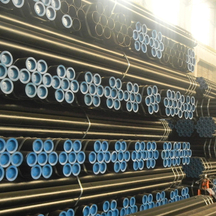
ASTM A179 defines cold-drawn seamless low-carbon steel tubes for heat exchangers and condensers. Cold drawing delivers precise dimensions and smooth inner & outer surfaces. It fits regular heat transfer jobs under moderate temperature and pressure, when alloy steel properties are unnecessary.
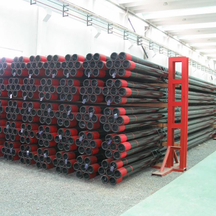
ASTM A213 includes seamless ferritic and austenitic alloy steel tubes for boilers, superheaters and heat exchangers. Compared with A179, its multiple alloy grades offer better high-temperature strength, oxidation and corrosion resistance for harsh, high-heat working conditions.
ASTM A214 covers ERW carbon steel tubes for heat exchangers and condensers. The biggest distinction from A179 is its welded structure. It is a cost-effective option for eligible heat transfer projects, though design requirements should take priority over price.
Item | ASTM A179 | ASTM A213 | ASTM A214 |
|---|---|---|---|
Material | Low-carbon steel | Ferritic / austenitic alloy steel | Carbon steel |
Production | Cold-drawn seamless | Seamless | ERW welded |
Typical Use | Heat exchangers, condensers | Boilers, superheaters, heat exchangers | Heat exchangers, condensers |
Temp Range | Moderate service | High-temperature service (grade-dependent) | Moderate service |
Key Benefit | High dimensional accuracy | Superior high-temperature performance | Cost-saving welded design |
When picking base pipes for finned tubes, evaluate operating temperature, pressure, corrosion, tube size and fin mounting method. Ordinary air coolers can use carbon steel base tubes, while high-temperature boiler applications often need ASTM A213 alloy grades.
Always specify the exact grade in purchase orders. ASTM A213 contains many alloy grades; marking only “ASTM A213” is not enough for manufacturing. Buyers also need to clarify seamless or welded construction.
To wrap up: ASTM A179 = cold-drawn seamless low carbon steel tubes; ASTM A213 = seamless alloy steel tubes for severe thermal service; ASTM A214 = ERW carbon steel tubes. Selecting the right standard ensures stable heat transfer and long service life of finned tubes.
How to Match the Base Pipe Standard with Finned Tube Applications
Choosing the right base pipe standard is critical for finned tube design and procurement. Your selection should be driven by operating conditions, equipment type, material needs and finning methods, instead of only cost or stock availability. ASTM A179, A213 and A214 each have distinct features for different working scenarios.
Heat Exchangers & Condensers
ASTM A179 and A214 are common choices for standard heat exchangers and condensers.
ASTM A179: Cold-drawn seamless low-carbon steel tube, ideal if seamless structure, tight dimensional tolerance and stable quality are prioritized.
ASTM A214: ERW carbon steel tube, a cost-effective alternative for qualified service cases. Final selection must comply with equipment specs, design pressure, temperature, and relevant codes.
High-Temperature & High-Pressure Services
ASTM A213 is the preferred standard for boilers, superheaters and heat exchangers under severe thermal loads. It offers seamless ferritic and austenitic alloy steel tubes in multiple grades. The exact alloy grade must be clearly specified, as grades vary widely in high-temperature strength, oxidation and corrosion resistance. “ASTM A213 tube” alone is insufficient for production.
Key Environmental Factors to Evaluate
Check these service parameters before finalizing the pipe standard: Design & operating temperature, design & working pressure, heat transfer medium, corrosion level, expected service life, mechanical loads and equipment codes. Carbon steel works for regular heat exchange; alloy grades are needed for high-heat or corrosive environments.
Compatibility with Finning Processes
Base pipes need to match your fin style and fixing method. L-foot, LL-foot, embedded and extruded finned tubes all have different production demands. Tube OD, wall thickness, surface status and mechanical properties directly influence fin bonding quality. Pipe suppliers and finning fabricators should confirm full specs upfront, including tube standard & grade, size, length, fin material, fin height, fin density and attachment type.
Application Scenario | Recommended Standard | Core Notes |
|---|---|---|
Regular heat exchangers/condensers | ASTM A179 | Seamless, precise dimensions, premium quality |
Regular heat exchangers/condensers (budget option) | ASTM A214 | ERW welded carbon steel, economical |
Boilers, superheaters, high temp & high pressure heat exchangers | ASTM A213 | Alloy steel, specify exact grade |
In short: prioritize service conditions first, then finning requirements. ASTM A179 fits most general heat transfer projects; ASTM A214 is viable when welded carbon steel is permitted; ASTM A213 delivers alloy solutions for harsh high-pressure, high-temperature environments. Full specification review guarantees reliable heat transfer and long service life for finned tubes.
ASTM A179 vs. A213 vs. A214: Comparison Table for Selection
Picking the correct base pipe standard is vital for finned tubes used in heat exchangers, condensers, boilers and other thermal equipment. ASTM A179, A213 and A214 define different tube types. Comparing their material and fabrication features helps engineers and buyers make proper selections.
Selection Item | ASTM A179 | ASTM A213 | ASTM A214 |
|---|---|---|---|
Material Type | Low-carbon steel | Ferritic & austenitic alloy steel | Carbon steel |
Manufacturing | Cold-drawn seamless | Seamless | Electric-resistance welded (ERW) |
Typical Uses | Heat exchangers, condensers | Boilers, superheaters, heat exchangers | Heat exchangers, condensers |
Temperature Rating | Moderate heat transfer service | High-temperature service (grade-dependent) | Moderate heat transfer service |
Alloy Content | Low | Multiple alloy grades | Carbon steel only |
Key Benefit | Precise dimensions, seamless structure | High-temperature strength & corrosion resistance | Cost-effective welded design |
Finned Tube Fit | General-purpose finned tubes | High-temperature, heavy-duty finned tubes | Fin tubes where welded tubes are approved |
ASTM A179: For General Heat Transfer
ASTM A179 specifies cold-drawn seamless low-carbon steel tubes. It delivers tight dimensional tolerance and smooth surface, well suited for finning processes. It works reliably under moderate temperature and pressure for standard heat exchangers and condensers. Always verify design conditions before finalizing.
ASTM A213: For Severe Thermal Service
ASTM A213 covers seamless alloy steel tubes with various grades. Its alloy options offer better high-temperature strength and corrosion resistance. It is widely used for boilers, superheaters and high-demand heat exchangers. Specify the exact grade on orders, as performance varies greatly by alloy.
ASTM A214: Budget-Friendly ERW Alternative
ASTM A214 refers to ERW carbon steel tubes for heat exchangers and condensers. It is economical if welded construction satisfies design limits. Cost alone should not drive the choice; pressure, temperature and inspection requirements take priority.
Quick Selection Guidance
Start evaluation from field operating conditions:
ASTM A179: Preferred for most regular heat transfer finned tubes
ASTM A213: Use when alloy steel performance is required
ASTM A214: Adopt only where welded carbon steel tubes are permitted
Besides the ASTM standard, confirm tube OD, wall thickness, length, fin material, fin height, fin density and fin attachment method. The finning process must match the tube material and size.
All selections need to comply with relevant design codes and project specs. This comparison reduces material mismatch risks and ensures stable heat transfer and long service life of finned tubes.
Key Parameters When Ordering Finned Tubes
Choosing the right base pipe standard is just the start for finned tube procurement. Buyers need to define full technical specs covering tube size, material, fin details, fabrication rules and inspection requirements. These parameters decide heat transfer performance, mechanical strength, installation fit and service life. Complete specifications prevent mistakes and production delays.
Parameter Category | Core Details to Specify |
|---|---|
Base Pipe Standard & Grade | ASTM A179 / A213 / A214; exact grade (critical for A213 alloy tubes) |
Tube Dimensions | OD, wall thickness, total length, tolerance, straightness |
Fin Type & Fin Material | L-foot, LL-foot, G-type embedded, extruded; Al / carbon steel / stainless steel |
Fin Geometry | Fin height, fin thickness, fin pitch, fins per meter, finned length |
Fin Attachment Method | Mechanical wrap, embedding, extrusion |
Testing & Documents | NDT, hydrostatic test, tensile test, dimensional check, MTC certificates |
Base Pipe Standard & Material Grade
Three widely used standards:
ASTM A179: Cold-drawn seamless low-carbon steel for heat exchangers and condensers
ASTM A213: Seamless ferritic / austenitic alloy steel for boilers, superheaters and high-demand heat exchangers
ASTM A214: ERW carbon steel for heat exchangers and condensers
Always state the precise grade, especially for ASTM A213, as alloy grades differ greatly in chemical and mechanical properties.
Tube Diameter and Wall Thickness
Outside diameter and wall thickness govern pressure resistance and heat transfer performance. Confirm OD, WT, total length, dimensional tolerance and straightness. The wall thickness must satisfy design pressure, and dimensions need to match your finning process.
Fin Type and Fin Material
Select fin types based on working conditions:
L-foot finned tubes: Single L-foot wrapped fins
LL-foot finned tubes: Double L-foot for better coverage
G-type embedded fins: Mechanically locked into tube grooves
Extruded finned tubes: Integral fins formed from outer aluminum cladding
Common fin materials: aluminum, carbon steel, stainless steel, selected by thermal conductivity, temperature and corrosion risk.
Fin Dimensions and Density
Fin shape determines heat exchange area and air-side pressure drop. Key values: fin height, thickness, fin pitch, fins per unit length and finned length. Higher fin density boosts heat transfer area but raises airflow resistance and cleaning difficulty. Follow thermal design data.
Fin Attachment Method
Available options: mechanical wrapping, embedding, extrusion. L-foot / LL-foot fins rely on mechanical wrapping; G-type fins are groove-embedded; extruded fins form a unified structure with the outer cladding. Evaluate temperature swing, thermal expansion, vibration and corrosion when making this choice.
Testing, Inspection and Certification
Clarify quality checks before production: chemical analysis, tensile & hardness tests, hydrostatic test or NDT, dimensional audit, fin bond and visual inspection. Request MTCs as required.
Final Notes
A full finned tube specification covers base pipe grade, tube dimensions, fin material, fin geometry, attachment style and inspection criteria. For overseas projects, share operating temperature, pressure, drawings and applicable standards. This helps suppliers offer proper configurations and avoid issues during production, site installation and long-time operation.
Common Mistakes When Selecting Finned Tube Base Pipe Standards
Proper base pipe selection guarantees finned tube performance, safety and service life. Many buyers prioritize price or stock availability over operating conditions and technical specs, which causes material mismatch, production issues and early failure. ASTM A179, A213 and A214 feature distinct properties; knowing these frequent errors helps engineers and buyers avoid risks.
Common Mistake | Risk | Recommended Fix |
|---|---|---|
Treat A179 and A214 as interchangeable | Seamless / ERW construction mismatch, non-compliance with design codes | Confirm if seamless or welded tube is required |
Order ASTM A213 without grade | Ambiguous material, wrong alloy supplied | State the exact alloy grade for A213 |
Select pipes based only on low price | Tube fails under temperature, pressure or corrosion load | Compare performance, inspection and service life, not just cost |
Ignore operating temperature & pressure | Material allowable stress exceeds limits | Match standard to both normal and design working conditions |
Skip finning process compatibility check | Poor fin bonding, defective finned tubes | Verify pipe specs with the fin tube manufacturer in advance |
Omit inspection & certification rules | Project acceptance delays | Clarify NDT, mechanical tests, dimensional checks and MTCs |
Mixing Up ASTM A179 and ASTM A214
A179 and A214 both serve heat exchangers and condensers, but they are not interchangeable. A179 is cold-drawn seamless low-carbon steel, while A214 is ERW carbon steel. Confirm whether seamless or welded construction is required before ordering, and follow design codes.
Specifying ASTM A213 Without an Exact Grade
ASTM A213 covers multiple ferritic and austenitic alloy grades with different chemical, mechanical and temperature capabilities. Simply writing “ASTM A213” leads to confusion. Pick the precise grade according to temperature, pressure and corrosion needs.
Choosing Only by Price
The cheapest option often brings extra risks. Carbon steel used in high-temperature or corrosive environments will wear fast and raise maintenance costs. Evaluate material quality, fabrication method, test requirements and service life comprehensively.
Neglecting Temperature and Pressure
Allowable stress varies greatly for different materials. A179 and A214 fit moderate carbon steel service, while A213 alloys are for harsh high-temperature and high-pressure scenarios. Always review both normal and design conditions.
Forgetting Compatibility with Fin Attachment
L-foot, LL-foot, G-type embedded and extruded fins all have different production demands. Tube OD, wall thickness, surface condition and material affect fin connection quality. Confirm base pipe specs with your fin tube maker before production.
Leaving Out Inspection and Certification Requirements
Stating only the ASTM standard is not enough. Define chemical analysis, mechanical tests, dimensional checks, NDT and MTC requirements. Reach agreement on acceptance criteria before manufacturing starts.
Wrap-up
Most selection errors come from incomplete specs and inadequate assessment of working conditions. Clearly tell apart A179, A213 and A214, specify grades, and consider pressure, temperature, corrosion and finning requirements. Working with an experienced supplier validates material suitability, cuts procurement risks and ensures stable long-term heat transfer performance.
Our Recommended Finned Tube Products and Global Shipping Services
Supplies finned tubes for heat exchangers, boilers, condensers, and air coolers, offering base pipes in ASTM A179 seamless low-carbon steel for conventional heat exchangers, ASTM A213 alloy steel for demanding boiler and superheater temperatures, and ASTM A214 electric-resistance-welded carbon steel.Fin configurations include L-foot, LL-foot, G-type embedded, and extruded fins, with fin materials in aluminum, carbon steel, or stainless steel. Tube outside diameter, wall thickness, fin height, thickness, pitch, and length can be customized to project drawings.
Quality control covers chemical composition analysis, mechanical property testing, dimensional inspection, and surface examination, supported by Material Test Certificates for material verification.
For international projects, seaworthy export packaging, bundling, container loading, and export documentation are coordinated by tube length, order volume, and destination port. Inquiries should specify ASTM standard, material grade, tube dimensions, fin specifications, operating temperature, and working pressure to ensure suitable product selection and reliable heat-transfer performance.
Conclusion:
Selecting the correct ASTM base pipe standard is essential for finned tube quality, heat-transfer efficiency, and service life. ASTM A179, A213, and A214 differ in material characteristics, manufacturing processes, and applications, and no single standard suits every project.
ASTM A179 covers cold-drawn seamless low-carbon steel tubes for conventional heat exchangers and condensers, offering good dimensional accuracy. ASTM A213 covers seamless ferritic and austenitic alloy-steel tubes for boilers, superheaters, and heat exchangers under demanding temperature and pressure conditions. ASTM A214 specifies electric-resistance-welded carbon steel tubes, providing an economical option where welded construction meets project requirements.
Selection should consider the appropriate ASTM standard and material grade, working temperature and pressure, corrosion environment, seamless or welded construction, tube dimensions and tolerances, fin specifications, and inspection requirements. Base pipe compatibility with finning processes—L-foot, LL-foot, G-type embedded, or extruded fins—also affects production consistency.
FAQ:
FAQ 1: What is the difference between ASTM A179 and ASTM A214 finned tube base pipes?
ASTM A179 specifies cold-drawn seamless low-carbon steel tubes, while ASTM A214 covers electric-resistance-welded carbon steel tubes. The appropriate choice depends on the application, design requirements, and project specification.
FAQ 2: Is ASTM A213 suitable for high-temperature finned tubes?
Yes. ASTM A213 covers seamless ferritic and austenitic alloy-steel tubes and is commonly selected for boiler, superheater, and heat-exchanger applications involving higher temperatures and demanding service conditions.
FAQ 3: How do I choose between ASTM A179, A213, and A214 for a finned tube?
Consider operating temperature, pressure, corrosion conditions, required material grade, manufacturing method, and the applicable equipment specification before selecting the base pipe standard.
FAQ 4: Does the fin material need to match the base pipe material?
Not necessarily. Fin material and base pipe material can differ, but their compatibility, thermal expansion, corrosion resistance, and fin attachment method should be evaluated for the intended service.
About Us / News / Product / Project / Quality Assurance / Service / Contact Us