Views: 2 Author: Site Editor Publish Time: 2026-05-28 Origin: Site
The Importance of Pipe-to-Elbow Connections
The connection between a steel pipe and a steel elbow is a critical joint that directly impacts the safety, performance, and longevity of any piping system. Since elbows change flow direction, they endure higher stress than straight sections, making them potential weak points for leaks or structural failure if improperly joined. This is especially vital in high-pressure industries like oil, gas, and chemical processing.
Among various methods (flanged, threaded, and socket welding), butt welding is preferred for critical applications due to its strength and leak resistance. However, achieving a reliable joint requires precise pipe preparation, accurate alignment, and strict adherence to welding standards. Proper execution ensures stable flow, maintains pressure integrity, and prevents costly operational shutdowns.
Types of Steel Elbow and Pipe Connections
Choosing the right connection method between a steel elbow and pipe is vital for system strength and sealing. The four primary methods are:
Ø Butt-Welded: Aligns edges for a continuous weld, offering superior strength for high-pressure systems (e.g., oil & gas).
Ø Socket-Welded: Inserts the pipe into a fitting socket, ideal for small-diameter, medium-pressure pipelines.
Ø Flanged: Bolts flange with a gasket, allowing easy disassembly for maintenance in industrial plants.
Ø Threaded: Screws match threads together, a cost-effective solution for low-pressure, small-scale applications.
Selecting the appropriate connection based on pressure, pipe size, and maintenance needs ensures long-term pipeline reliability and safety.
Step-by-Step Welding Process for Steel Elbow to Pipe
Achieving a strong, leak-free connection between a steel elbow and pipe requires a meticulous welding process that strictly adheres to industry standards like ASME or API. The procedure is divided into five critical stages:
1. Preparation: Thoroughly inspect and clean the pipe and elbow to remove rust, oil, or debris. For butt-welds, bevel the pipe ends at the specified angle to ensure proper weld penetration.
2. Alignment and Positioning: Precisely align the elbow to the required flow direction (e.g., 45° or 90°). Use clamps or tack welds to hold components securely and maintain the correct gap.
3. Welding Execution: Perform the weld in sequential layers. Start with tack welds for stability, followed by the root pass for sealing, filler passes for strength, and a final cap pass for a smooth surface. Strictly control temperature and welding speed.
4. Cooling and Treatment: Allow the joint to cool gradually to prevent cracking. High-pressure systems may require post-weld heat treatment (PWHT) to relieve internal stress.
5. Inspection and QC: Conduct visual checks for surface defects. For critical pipelines, employ non-destructive testing (NDT) methods like ultrasonic or radiographic testing to verify internal weld integrity.
Following this rigorous step-by-step process ensures a durable joint capable of withstanding high pressure and long-term operational demands.
Key Factors to Ensure a Perfect Seal in Pipe-to-Elbow Connections
Key Factor | Core Requirements & Actions |
Material Compatibility | Use matching steel grades (carbon, alloy, or stainless) for consistent mechanical properties. If using dissimilar materials, apply special welding procedures and filler materials to prevent corrosion or joint failure. |
Proper Welding Technique | Ensure full root penetration for sealing and control heat input to avoid cracks. Select the correct filler material and maintain a stable welding speed. Utilize certified welders and standardized procedures to eliminate defects like porosity. |
Accurate Preparation & Fit-Up | Thoroughly clean, bevel, and align the pipe and elbow before welding. A precise fit-up guarantees a uniform weld gap and correct flow direction, significantly reducing stress concentration and leakage risks. |
Quality Inspection & Testing | Conduct visual inspections for surface quality. For critical applications, employ Non-Destructive Testing (NDT) methods such as Ultrasonic Testing (UT), Radiographic Testing (RT), and pressure tests to verify internal integrity. |
Cleanliness & Environment | Keep welding surfaces free from oil, rust, moisture, and dust. Control environmental conditions (wind, humidity, temperature) during outdoor operations to ensure strong, defect-free welds. |
Recommended Steel Elbow and Pipe Products with Global Shipping
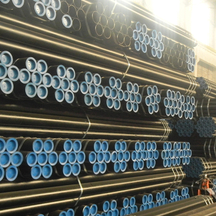
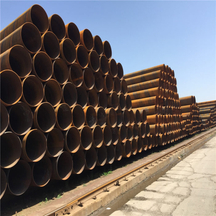
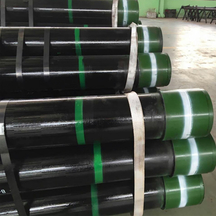
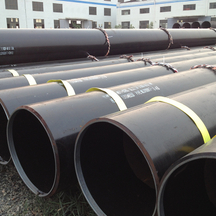
To ensure reliable, leak-free pipe-to-elbow connections, we provide a comprehensive range of high-quality steel elbows and pipes tailored for industrial, construction, and energy projects. Our product lineup includes seamless and welded steel pipes (ERW, LSAW, SSAW) alongside a diverse selection of 45°, 90°, and 180° steel elbows in carbon and stainless steel. All products are manufactured with precise dimensional accuracy to guarantee perfect fit-up and excellent weldability, strictly complying with international standards such as API, ASTM, and ASME. We also offer customized solutions and protective coatings (FBE, 3LPE, epoxy) to meet specialized engineering needs and harsh environmental conditions.
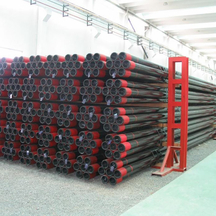
Our robust global shipping services deliver safely to the Middle East, Africa, Southeast Asia, Europe, and the Americas. To maintain welding precision upon arrival, all items are securely packaged with protective end caps, anti-rust treatments, and reinforced bundling. With flexible logistics options—including bulk sea freight, container shipping, and air freight—along with complete export documentation and shipment tracking, we ensure smooth customs clearance and on-time project delivery. Partner with us for durable pipeline installations backed by superior materials and professional logistical support.
Conclusion: Ensuring Reliable Pipe-to-Elbow Connections
The connection between a steel elbow and pipe is a critical engineering process that directly dictates the safety, sealing performance, and lifespan of any piping system. While butt welding is the industry standard for high-pressure applications, achieving a durable, leak-free joint requires strict adherence to a comprehensive procedure. This includes precise material compatibility, accurate pipe preparation, skilled welding execution, and rigorous quality inspections such as non-destructive testing (NDT).
FAQ:
(1) What is the strongest method to join a steel elbow and pipe?
Explanation of butt welding and full penetration welding
(2) Do steel elbows need to be beveled before welding?
Importance of beveling for proper weld penetration
(2) Can stainless steel elbows be welded to carbon steel pipes?
Compatibility considerations and transition welding methods
(4) How can I prevent leakage after welding elbows to pipes?
Role of inspection, welding quality, and proper procedures
About Us / News / Product / Project / Quality Assurance / Service / Contact Us