Views: 1 Author: Site Editor Publish Time: 2026-06-30 Origin: Site
Corrosion is a critical challenge for steel pipelines in oil, gas, and water systems, causing structural deterioration and costly failures. To combat both internal and external corrosion, advanced protection measures such as protective coatings, linings, and cathodic protection are essential to ensure long-term safety and reduce lifecycle costs.
Causes and Types of Corrosion in Steel Pipelines
Steel pipeline degradation is primarily driven by electrochemical reactions triggered by moisture, oxygen, and aggressive chemicals such as chlorides and sulfur compounds. External environments further accelerate this process, with buried pipes facing soil microbes and offshore lines battling continuous saltwater exposure. High temperatures, pressure, and mechanical damage during installation can also compromise protective barriers, exposing bare steel to rapid deterioration.
This degradation manifests in four distinct forms. Uniform corrosion gradually reduces overall wall thickness, while pitting corrosion creates deep, localized holes that are notoriously difficult to detect and can lead to sudden structural failure. Galvanic corrosion occurs when dissimilar metals connect in an electrolyte, causing the less noble metal to degrade rapidly. Additionally, erosion-corrosion combines chemical attack with high-speed fluid flow, wearing away protective layers and exposing fresh steel.
Recognizing these specific failure mechanisms is crucial for engineering targeted defense strategies. We supply premium anti-corrosion steel pipelines specifically engineered to resist these severe conditions. Backed by strict quality control and professional global shipping services, we ensure safe and timely delivery worldwide. Whether your project requires robust protection against pitting or uniform corrosion, our expert team provides tailored solutions to guarantee long-term pipeline safety. Contact us today to request a customized quotation or discuss your technical specifications.
Internal Anti-Corrosion Measures for Steel Pipelines
Internal corrosion is a hidden threat to steel pipelines, making proactive protection essential for ensuring long-term safety and reducing maintenance costs. Effective internal anti-corrosion strategies rely on three key approaches:
(1) Internal Coatings and Linings: Applying protective barriers like epoxy, cement mortar, or polyethylene (PE) linings isolates the steel from transported media. These coatings prevent direct chemical interaction while reducing internal friction and improving hydraulic performance.
(2) Chemical Treatments: Injecting corrosion inhibitors forms a protective film on the pipe's inner surface. Combined with pH control and oxygen scavengers, these treatments neutralize aggressive fluids and prevent electrochemical rust formation.
(3) Material Selection: Choosing the appropriate steel grade, such as corrosion-resistant alloys or high-quality seamless steel pipes, is critical for withstanding harsh environments like high-salinity water or acidic chemicals.
External Anti-Corrosion Measures for Steel Pipelines
External corrosion poses a severe threat to buried and offshore steel pipelines due to exposure to soil, seawater, and harsh industrial environments. To ensure long-term safety and structural integrity, a multi-layered defense strategy is essential. The primary line of defense is advanced protective coatings, which isolate the steel from corrosive elements. Modern solutions like Fusion Bonded Epoxy (FBE) and 3LPE offer superior adhesion and mechanical protection compared to traditional bitumen.
However, coatings can suffer mechanical damage during installation. Therefore, they are typically paired with Cathodic Protection (CP) systems, which use electrochemical methods to eliminate corrosion activity. Additionally, physical measures such as concrete weight coating and proper trenching provide crucial mechanical stability and extra environmental shielding.
External Anti-Corrosion Protection Systems
Protection Method | Key Technologies | Primary Function & Application |
Protective Coatings | FBE, 3LPE, 3LPP, Bitumen | Isolates steel from soil/moisture; provides mechanical & chemical resistance. |
Cathodic Protection | Sacrificial Anode, Impressed Current | Electrochemical defense to prevent rust is crucial for buried/offshore pipes. |
Physical Protection | Concrete Weight Coating, Trenching | Provides seabed stability, prevents mechanical damage, and adds insulation. |
Our Anti-Corrosion Steel Pipeline Products and Global Shipping Services
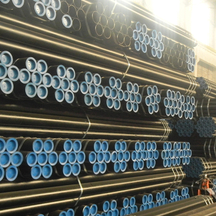
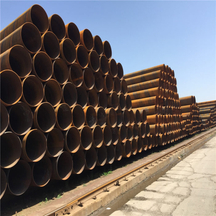
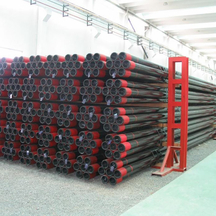
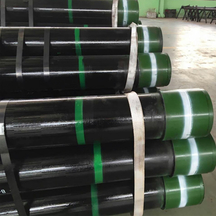
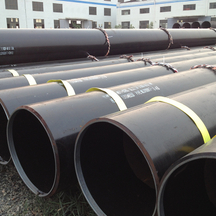
We specialize in manufacturing premium anti-corrosion steel pipelines, including seamless, LSAW, and SSAW pipes with advanced internal linings and external coatings (FBE, 3LPE, 3LPP). Compliant with international standards (API, ASTM, EN), our customizable pipeline solutions are engineered to withstand demanding environments in oil, gas, and water supply networks.
Every product undergoes strict quality control, including coating adhesion, hydrostatic pressure, and non-destructive testing, with third-party inspections available. Beyond manufacturing, we provide reliable global shipping services to Asia, Europe, the Middle East, and the Americas. We support flexible trade terms (FOB, CIF, CFR) and offer FCL, LCL, and bulk cargo solutions with seaworthy packaging to ensure safe, timely delivery.
From custom technical specifications to complete export documentation and real-time tracking, we provide end-to-end support to reduce project risk and maintenance costs. Whether you require internal cement mortar lining or heavy-duty external 3LPP coating, our expert team delivers tailored solutions. Contact us today to request a customized quotation or discuss your anti-corrosion pipeline requirements for your next infrastructure project.
Conclusion
Effective corrosion protection is essential for ensuring the long-term safety and efficiency of steel pipelines in oil, gas, and water infrastructure. Uncontrolled internal and external corrosion leads to structural degradation, leaks, and costly maintenance. To combat this, a multi-layered defense strategy is required. Internal protection utilizes epoxy linings, cement mortar, and chemical inhibitors, while external defense relies on advanced FBE, 3LPE, and 3LPP coatings combined with cathodic protection.
Beyond technical solutions, selecting high-quality materials and a reliable supplier is critical. We specialize in manufacturing premium anti-corrosion steel pipelines with customizable internal and external protection systems. Manufactured under strict quality control and international standards, our products guarantee stable performance in demanding environments.
Backed by professional global shipping services, we provide end-to-end support from technical consultation to safe, timely delivery worldwide. Whether you require robust internal linings or heavy-duty external coatings, our expert team delivers tailored solutions to extend pipeline lifespan and reduce lifecycle costs. Contact us today to request a customized quotation or discuss your anti-corrosion pipeline requirements for your next project.
FAQ:
(1) What is the difference between internal and external corrosion in steel pipelines?
Explain internal fluid-related corrosion vs external environmental corrosion
(2) What is the best anti-corrosion coating for steel pipelines?
Compare FBE, 3LPE, 3LPP, and cement mortar lining based on application
(3) How long does anti-corrosion coating last on steel pipes?
Discuss durability depending on coating type, environment, and maintenance
(4) Can steel pipelines be customized with different anti-corrosion systems?
Explain OEM coating options and project-specific customization
About Us / News / Product / Project / Quality Assurance / Service / Contact Us