Views: 1 Author: Site Editor Publish Time: 2026-07-02 Origin: Site
304 and 316 stainless steel pipes are essential materials across construction, food processing, and chemical industries. While Grade 304 offers a cost-effective balance of corrosion resistance and mechanical properties for general use, Grade 316 contains molybdenum, providing superior resistance to chlorides and aggressive chemicals in marine environments.
Both grades offer excellent weldability, heat resistance, and hygienic, smooth surfaces. Available in seamless and welded options, they ensure long service life, low maintenance, and high recyclability.
Performance of 304/316 Steel Pipes
304 and 316 stainless steel pipes are versatile austenitic products available in seamless and welded forms. Both grades form a stable passive oxide layer, providing excellent corrosion resistance, high mechanical strength, and superior heat resistance. They are highly weldable and formable, making them ideal for complex industrial and commercial systems.
The primary distinction lies in their chemical composition and environmental suitability. While 304 is a cost-effective solution for standard environments, 316 contains molybdenum, which significantly enhances its resistance to chlorides and aggressive chemicals.
Below is a concise performance comparison to guide your selection:
Feature | 304 Stainless Steel | 316 Stainless Steel |
Chemical Composition | Standard austenitic alloy (18% Cr, 8% Ni) | Contains 2-3% Molybdenum for enhanced durability |
Corrosion Resistance | Excellent for atmospheric, freshwater, and indoor use | Superior resistance to chlorides, saltwater, and harsh chemicals |
Mechanical & Heat Performance | High strength, impact resistance, and stable at high/low temperatures | Maintains structural integrity and stability in demanding heat exchangers and boilers |
Fabrication | Highly weldable, formable, and easy to machine | Highly weldable, formable, and easy to machine |
Ideal Applications | Building structures, food processing, and general industrial use | Marine engineering, chemical processing, pharmaceuticals, and coastal infrastructure |
Cost & Value | Cost-effective with reliable durability | Higher initial cost, but offers extended service life and lower maintenance |
Applications of 304/316 Steel Pipes
304 and 316 stainless steel pipes are highly versatile materials valued for their strong corrosion resistance, durability, and hygienic properties. While 304 provides a cost-effective and reliable solution for standard industrial and commercial environments, 316 is specifically engineered with molybdenum to withstand highly corrosive, saline, and aggressive chemical conditions.
Below is a concise overview of their primary applications across various industries:
Industry Sector | Key Applications |
Construction & Architecture | Used for structural frameworks, handrails, guardrails, and exterior features. 316 is preferred for coastal or outdoor environments. |
Food & Beverage | Ideal for processing, dairy, and brewing systems. 304 handles standard liquids, while 316 is used for saline solutions and harsh cleaning chemicals. |
Chemical & Petrochemical | 316 is widely used for transporting corrosive fluids and acids. 304 is suitable for less aggressive chemical environments. |
Marine & Offshore | 316 is essential for shipbuilding, offshore platforms, and seawater systems due to its superior resistance to saltwater pitting and crevice corrosion. |
Pharmaceutical & Medical | Applied in production systems, lab equipment, and medical devices to ensure non-reactive surfaces and strict hygienic standards. |
Energy & Industrial | Utilized in power generation, oil/gas pipelines, heat exchangers, and industrial machinery to reliably perform under high temperature and pressure. |
Our 304/316 Steel Pipe Products & Shipping Information.
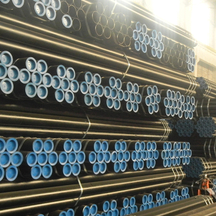
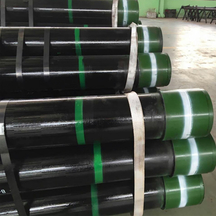
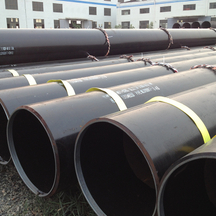
As a professional supplier, we provide premium 304 and 316 SS steel pipes in seamless and welded options. Manufactured to strict international standards, our products feature excellent corrosion resistance and are available in various sizes and finishes (pickled, polished, mirror). We support OEM/ODM customization to meet specific project needs.
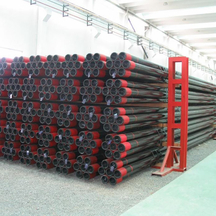
To ensure safe transit, all pipes are securely packaged with waterproof film and steel straps, with wooden cases available for export. We offer flexible trade terms (FOB, CIF, CFR, EXW) and reliable global shipping via sea, air, rail, or express. Complete export documentation, including Mill Test Certificates (MTC), is provided for smooth customs clearance.
Backed by stable production capacity and rigorous quality control, we are committed to delivering high-quality stainless steel solutions and efficient logistics to customers worldwide. Contact us today for competitive pricing and dependable delivery.
Maintenance and Care Tips
Proper maintenance is essential to maximize the service life and corrosion resistance of 304 and 316 stainless steel pipes.
(1) Cleaning: Regularly clean surfaces using mild soap or neutral detergent and water to remove dust and grease. Always rinse and dry thoroughly to prevent water spots. Strictly avoid chloride-based cleaners and harsh chemicals, as they can cause pitting and corrosion.
(2) Storage: Store pipes in a dry, clean, and well-ventilated indoor warehouse. Keep them elevated on wooden racks or pallets rather than directly on the ground to prevent moisture damage and deformation. If outdoor storage is unavoidable, use waterproof covers while ensuring adequate ventilation.
(3) Handling & Installation: Prevent scratches and dents by avoiding dragging pipes across rough surfaces. Always use dedicated stainless steel tools during welding and fabrication to prevent cross-contamination from carbon steel, which can lead to rust.
(4) Inspection: Conduct periodic inspections for signs of corrosion or mechanical damage. Early detection allows for timely cleaning or passivation treatments to restore the protective oxide layer.
By following these best practices, you can preserve the structural integrity and appearance of your stainless steel piping systems for long-term, reliable performance.
Conclusion
304 and 316 stainless steel pipes are essential materials for modern industries, offering superior corrosion resistance, mechanical strength, and long service life. While 304 provides a cost-effective solution for general applications, 316 is ideal for marine and chemical environments due to its enhanced chloride resistance.
Demand for these versatile pipes continues to grow across construction, food processing, and energy sectors, driven by industrial upgrades and sustainability goals. To maximize performance and lifespan, proper maintenance, handling, and accurate grade selection are crucial.
FAQ:
(1) What is the difference between 304 and 316 stainless steel pipes?
Compare composition, corrosion resistance, applications, and cost.
(2) Which industries commonly use 304 and 316 steel pipes?
Construction, food processing, pharmaceuticals, marine engineering, chemical processing, energy, and manufacturing.
(3) Are 304 and 316 stainless steel pipes suitable for outdoor use?
Explain weather resistance and the benefits of choosing 316 for coastal or high-salinity environments.
(4) How do I choose between seamless and welded stainless steel pipes?
Compare manufacturing methods, performance, cost, and typical applications.
About Us / News / Product / Project / Quality Assurance / Service / Contact Us