Views: 6 Author: Site Editor Publish Time: 2026-05-27 Origin: Site
40Cr steel is a widely used medium-carbon alloy structural steel known for its excellent balance of strength, toughness, and wear resistance. The addition of chromium significantly improves its hardenability, making it ideal for critical mechanical components like shafts, gears, bolts, and transmission parts that endure high stress and impact loads.
To fully utilize its potential, heat treatment—specifically quenching and tempering—is essential. Quenching transforms the steel's internal structure into martensite, thereby drastically increasing hardness. Subsequent tempering relieves internal stress and reduces brittleness, ensuring optimal toughness. This combination allows 40Cr steel to achieve superior mechanical properties, making it a cornerstone material in automotive, machinery manufacturing, and heavy-duty engineering applications.
What Is Quenching and Tempering?
Quenching and tempering are two complementary heat treatment processes essential for optimizing the mechanical performance of 40Cr steel. They work as a system to achieve an ideal balance between strength, hardness, and toughness.
Ø The Quenching Process
Quenching is the initial step where 40Cr steel is heated above its critical transformation temperature and then rapidly cooled using oil or water. This process transforms the internal structure into martensite, significantly increasing hardness and wear resistance. However, quenched steel becomes highly brittle and carries substantial internal stress, making it prone to cracking if used alone.
Ø The Tempering Process
To counteract brittleness, tempering is performed immediately after quenching. The steel is reheated to a lower temperature (typically 150°C–650°C) and air-cooled. This relieves internal stresses and restores ductility and impact resistance. The final properties depend on the temperature: lower temperatures retain higher hardness, while higher temperatures maximize toughness.
Ø Why They Are Used Together
Combining these processes allows 40Cr steel to overcome the limitations of each method. The result is a high-performance material that maintains excellent load-bearing capacity while resisting impact and fatigue. This balanced microstructure makes tempered 40Cr steel indispensable for critical components like shafts, gears, and bolts in demanding industrial applications.
Mechanical Properties of Quenched and Tempered 40Cr Steel
Quenching and tempering significantly elevate the mechanical performance of 40Cr steel, delivering an optimal balance of hardness, strength, and toughness essential for demanding engineering applications.
Ø Hardness Improvement
The quenching process transforms the steel's internal structure into martensite, drastically increasing both surface and core hardness. Subsequent tempering fine-tunes this property by slightly reducing excessive hardness to prevent brittleness while retaining excellent wear resistance. Engineers can precisely adjust the final hardness level by varying the tempering temperature to meet specific application requirements.
Ø Strength and Toughness Enhancement
This heat treatment yields exceptional tensile and yield strength. The chromium alloying element enhances hardenability, ensuring uniform strengthening throughout the material. Crucially, tempering relieves internal stresses and refines the microstructure, which significantly boosts toughness. This balance ensures components like shafts and gears can withstand heavy static loads and sudden dynamic impacts without fracturing.
Ø Wear Resistance and Fatigue Performance
The hardened surface provides superior resistance to friction and abrasion, making it ideal for moving parts. Furthermore, the improved fatigue resistance allows the material to endure repeated stress cycles without cracking, greatly extending the service life of rotating machinery and transmission systems.
Ø Dimensional Stability and Reliability
Tempering effectively relieves the internal stresses induced by rapid cooling, preventing distortion and ensuring dimensional stability. This is vital for precision components requiring tight tolerances and guarantees reliable long-term operation under fluctuating loads and temperatures.
Common Heat Treatment Problems and Solutions
Common Problem | Key Causes & Prevention Methods |
Quenching Cracks | Caused by rapid cooling or sharp edges. Solution: Use oil quenching for moderate cooling and avoid sharp design corners to reduce stress. |
Deformation and Distortion | Results from uneven cooling and thermal shock. Solution: Apply preheating, use support fixtures, and strictly control the cooling process. |
Insufficient Hardness | Triggered by low heating temperature or slow cooling. Solution: Ensure correct austenitizing temperature (820–860°C), adequate soaking time, and proper cooling speed. |
Excessive Brittleness | Occurs when tempering is skipped or improper. Solution: Always apply appropriate tempering immediately after quenching to balance hardness and toughness. |
Surface Oxidation/Decarburization | Caused by air exposure during high-temperature heating. Solution: Utilize vacuum furnaces or protective atmospheres to prevent surface degradation. |
Applications of Quenched and Tempered 40Cr Steel
Application Area | Typical Components & Key Benefits |
Shafts & Transmission | Used in transmission shafts, drive shafts, and spindles. Provides excellent torsional strength and fatigue resistance for stable power transmission. |
Gears & Mechanical Parts | Ideal for medium-load gears, sleeves, and connecting rods. Offers superior surface wear resistance and core toughness for long-term durability. |
Fasteners & Bolts | Commonly used for high-strength bolts, studs, and nuts. Ensures reliable clamping force and prevents fracture under vibration or shock loads. |
Automotive & Heavy Machinery | Applied to crankshafts, axles, steering parts, and excavator components. Delivers high impact strength and reliability in harsh working conditions. |
Molds & Tooling | Suitable for mold bases, fixtures, and tooling components. Balances sufficient hardness with good machinability for precise manufacturing. |
Recommended 40Cr Steel Products & Global Shipping
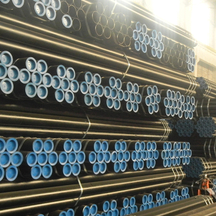
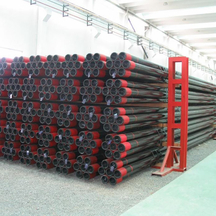
We supply premium 40Cr steel products tailored for demanding engineering applications, including round bars, steel plates, forged parts, and pre-quenched/tempered components. All materials undergo strict quality control to ensure consistent chemical composition, uniform hardness, and superior mechanical strength. We also offer customized cutting and machining services to meet specific project needs.
Supporting global manufacturing, we provide efficient export services to Europe, North America, Asia, and beyond. Our products are secured with export-standard protective packaging to prevent transit damage. With flexible logistics options (sea and air freight) and full documentation support, we guarantee safe, timely delivery of high-quality 40Cr steel ready for immediate industrial use.
How to Choose the Right Heat-Treated 40Cr Steel
Selecting the right heat-treated 40Cr steel is crucial for ensuring optimal performance and cost-efficiency in engineering applications. Here are five key factors to consider:
Ø Define Application Requirements: Evaluate working conditions such as load type, stress levels, and wear environments. High-impact parts require superior toughness, while wear-prone components demand higher surface hardness.
Ø Balance Hardness & Toughness: The final properties depend on the tempering temperature. Lower temperatures yield high hardness (ideal for gears and shafts), while higher temperatures enhance toughness for safety-critical or impact-loaded parts.
Ø Choose the Right Product Form: Select between round bars, plates, forged parts, or pre-quenched/tempered materials based on your machining needs. Forged options offer better internal strength, while pre-treated materials save production time.
Ø Evaluate Heat Treatment Quality: Ensure the supplier maintains strict process control to guarantee uniform hardness, minimal deformation, and a stable microstructure across batches.
Ø Partner with a Reliable Supplier: Work with qualified suppliers who provide material certifications, inspection reports, and professional technical guidance to minimize selection risks.
Conclusion
Quenching and tempering are essential processes that unlock the full potential of 40Cr steel, transforming it into a high-performance material for demanding engineering applications. Quenching significantly boosts hardness and strength through martensitic transformation, while subsequent tempering effectively relieves internal stress and restores crucial toughness. This synergy delivers an ideal balance of wear resistance, fatigue performance, and structural stability.
Widely used in shafts, gears, bolts, and automotive components, properly heat-treated 40Cr steel excels under heavy loads and impact conditions. However, achieving optimal results requires strict process control over temperature, cooling rates, and tempering conditions to prevent defects like cracking or deformation. By carefully selecting specifications and partnering with qualified suppliers, manufacturers can ensure superior component reliability, extended service life, and reduced maintenance costs across various industrial sectors.
FAQ:
(1) What is the purpose of quenching and tempering 40Cr steel?
Improving hardness, strength, toughness, and wear resistance
(2) What hardness can 40Cr steel achieve after quenching and tempering?
Typical hardness ranges and influencing factors
(3) Why does 40Cr steel crack during quenching?
Common causes and prevention methods
(4) Is tempered 40Cr steel suitable for machining?
Machinability after proper tempering treatment
About Us / News / Product / Project / Quality Assurance / Service / Contact Us