Views: 0 Author: Site Editor Publish Time: 2026-10-28 Origin: Site
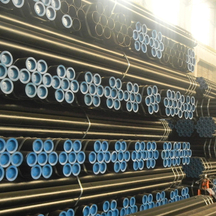
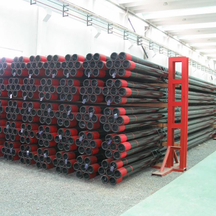
Stainless steel pipes are widely used in chemical processing, oil and gas, food production, pharmaceuticals, water treatment, power generation, and construction. Proper procurement requires more than selecting a grade or comparing prices; buyers must evaluate manufacturing standards, dimensions, surface treatment, testing requirements, and quality documentation. Material selection should reflect the operating environment: 304 suits general industrial service, 316 offers better resistance in many chloride-containing environments, and duplex 2205 provides higher strength and improved corrosion resistance. Seamless and welded pipes differ in production, available sizes, cost, and application suitability. Surface treatments include pickling, passivation, mechanical polishing, and electropolishing. Required inspections may cover chemical analysis, mechanical testing, dimensional checks, hydrostatic testing, and nondestructive testing, with material test certificates and traceability records reviewed before acceptance.
Selecting the correct stainless steel pipe material is a critical procurement step. Different grades offer different levels of corrosion resistance, mechanical strength, weldability, and temperature performance. An unsuitable grade may increase maintenance costs, shorten service life, or cause premature failure.
Before purchasing, evaluate: transported medium, operating pressure, temperature, corrosion risks, fabrication requirements, and applicable industry standards.
Common Stainless Steel Pipe Grades
Grade | Key Characteristics | Typical Applications |
|---|---|---|
304/304L | Good general corrosion resistance, formability, and weldability; 304L has lower carbon content—reduces sensitization risk during welding | Water systems, food processing equipment, architectural applications, general industrial piping |
316/316L | Contains molybdenum—improves resistance to pitting and crevice corrosion in chloride-containing environments compared with 304; 316L has lower carbon content for welded applications | Chemical processing, marine-related equipment, pharmaceutical facilities, certain water treatment systems |
321 | Stabilized with titanium—used in selected elevated-temperature and welding applications | Exhaust systems, process piping, equipment exposed to thermal cycling |
310S | Good oxidation resistance at elevated temperatures | Furnace equipment, heat treatment facilities, high-temperature industrial systems |
Duplex 2205 | Combines austenitic and ferritic microstructures—higher strength than 304/316; improved resistance to several corrosion mechanisms, including chloride stress corrosion cracking | Offshore equipment, chemical processing, selected desalination systems |
Important: Neither 316 nor 316L is immune to all chloride-related corrosion. Actual suitability depends on chloride concentration, temperature, exposure conditions, and design.
Understanding Stainless Steel Families
Family | Key Characteristics |
|---|---|
Austenitic (304, 316) | Commonly selected for corrosion resistance, formability, and weldability |
Ferritic | Often provides useful resistance to stress corrosion cracking; lower nickel content—properties and weldability vary by grade |
Martensitic | Can offer high strength and hardness after appropriate heat treatment; corrosion resistance depends on grade |
Duplex | Combines austenitic and ferritic structures—often providing higher strength and improved resistance to specific corrosion mechanisms |
The best family depends on required mechanical properties, corrosion environment, manufacturing process, and budget.
Seamless vs. Welded Stainless Steel Pipes
Pipe Type | Key Consideration |
|---|---|
Seamless | Manufactured without longitudinal weld seam—often selected where design specification requires seamless construction or particular pressure/service conditions justify this product form |
Welded | Produced by forming stainless steel strip or plate and joining edges through welding—can offer cost and dimensional advantages for suitable applications |
Neither type is automatically superior for every project. Follow the specified product standard, design requirements, and inspection provisions.
How to Select the Right Material
Step | What to Confirm |
|---|---|
1. Service medium | Identify fluid and potential corrosive substances |
2. Operating conditions | Check pressure, temperature, flow, and exposure duration |
3. Material grade | Select a grade with suitable mechanical and corrosion properties |
4. Manufacturing process | Confirm whether seamless or welded pipe is required |
5. Applicable standards | Verify product specification, dimensions, and testing requirements |
Stainless steel pipe standards and specifications are essential for product quality, dimensional compatibility, and reliable performance. An incorrect standard, material grade, or wall thickness can lead to installation problems, failed inspections, and additional project costs.
Before placing an order, review: applicable product standard, dimensions, chemical composition, mechanical properties, testing requirements, and documentation.
Common ASTM and ASME Standards
Standard | Scope |
|---|---|
ASTM A312/A312M | Seamless, welded, and heavily cold-worked austenitic stainless steel pipes—specified high-temperature and general corrosive service |
ASTM A358/A358M | Electric-fusion-welded austenitic chromium-nickel alloy steel pipe—specified for high-temperature service |
ASTM A790/A790M | Seamless and welded ferritic/austenitic stainless steel pipe (duplex stainless steel pipe) |
ASTM A778/A778M | Unannealed austenitic stainless steel tubular products—specified corrosive service |
These standards are not interchangeable. Select the specification that matches the material family, manufacturing process, dimensions, and operating conditions.
ASME standards may also be referenced for pressure design and piping components. The purchase specification should clearly identify the required standard and edition—not simply "ASTM/ASME standard."
Confirm Pipe Diameter and Wall Thickness
Dimension | What to Specify |
|---|---|
Nominal pipe size (NPS) | Designated pipe size used in applicable dimensional system |
Outside diameter (OD) | Actual external diameter required for compatibility |
Wall thickness or schedule | Specified wall dimension—affects strength and internal flow area |
Length | Required fixed length or acceptable length range |
Dimensional tolerances | Permitted variations in diameter, thickness, length, and other dimensions |
Do not assume pipes with the same nominal size have identical dimensions under every specification. Confirm applicable dimensional standard and any project-specific tolerances.
Verify Chemical Composition and Mechanical Properties
Verification Area | Key Point |
|---|---|
Chemical composition | Verify specified alloying elements—chromium, nickel, molybdenum, carbon where applicable—which determine corrosion resistance and metallurgical characteristics |
Mechanical properties | Requirements may include tensile strength, yield strength, elongation, and hardness—depending on grade and product standard |
The specified material grade must match the intended service environment. Example: 316L may be appropriate for many applications requiring improved corrosion resistance compared with 304L—but actual suitability depends on fluid chemistry and operating conditions.
Check Documentation and Traceability
Document | Purpose |
|---|---|
Material test certificates | Chemical and mechanical test results |
Heat numbers & product markings | Traceability |
Dimensional inspection reports | Dimension verification |
Hydrostatic or NDE records | As applicable |
Third-party inspection reports | Project-specific documents |
A material certificate should correspond to the actual pipe batch or heat supplied. Check that markings, quantities, and certificate details are consistent with the purchase order.
Confirm Requirements Before Ordering
Before approving a quotation, provide the supplier with:
Material grade
Product standard and edition
Manufacturing process
Nominal size and outside diameter
Wall thickness and length
Surface finish
Testing requirements
Delivery destination
For critical applications: establish inspection methods and acceptance criteria before production begins—helps avoid disagreements over testing, documentation, and product acceptance.
Surface treatment and finish affect corrosion resistance, cleanliness, appearance, weldability, and suitability for specific operating environments. Although stainless steel contains chromium that forms a protective passive film, the wrong surface condition or improper handling can still increase corrosion and contamination risk.
Define surface finish requirements clearly before ordering—especially for food processing, pharmaceutical production, chemical plants, and high-purity piping systems.
Common Surface Finishes
Finish | Key Characteristic | Typical Application |
|---|---|---|
Mill finish | Surface condition produced during manufacturing—no additional polishing beyond specified requirements | General industrial piping |
Pickled finish | Chemical treatment removes scale and heat tint—restores cleaner surface for further passivation or service | Chemical processing; where scale/heat tint removal is needed |
Passivated finish | Removes free iron; promotes protective passive film formation—does not normally remove heavy scale or deep defects | After pickling; corrosion resistance enhancement |
Brushed/satin finish | Directional finish—consistent appearance | Architectural and decorative applications |
Polished finish | Smoother surface via mechanical or other suitable methods—specify required smoothness per application | Where smooth surface is needed |
Electropolished finish | Electrochemical process—removes thin surface layer; improves smoothness and cleanliness | Strict hygiene or contamination-control requirements |
Not every finish is available or appropriate for every pipe manufacturing process. Confirm availability with the supplier.
Match Surface Treatment to the Application
Application | Finish Consideration |
|---|---|
General industrial piping | Standard mill or pickled finish may be sufficient—depending on material specification and service environment |
Chemical processing | May require effective removal of scale and heat tint to reduce potential corrosion sites |
Food, beverage, pharmaceutical | May require smoother, cleanable internal surfaces—surface roughness may be expressed as Ra value (e.g., maximum in micrometers); state whether requirement applies to internal, external, or both surfaces |
Architectural | Brushed or polished finishes for appearance—decorative finishing should not replace corrosion-resistance requirements |
Specify Surface Roughness and Acceptance Criteria
Terms like "polished," "smooth," or "bright finish" can be interpreted differently by different suppliers. Where surface quality is critical, specify measurable acceptance criteria.
Detail to Specify | Key Point |
|---|---|
Internal/external finish | Which surfaces require the specified finish |
Maximum surface roughness | Ra value where applicable |
Treatment requirements | Whether pickling, passivation, or electropolishing is required |
Defect limits | Acceptable limits for scratches, dents, scale, discoloration, other surface defects |
Inspection & documentation | Requirements and records |
Applicable standards | Industry standards or project specifications |
If surface roughness is specified: clarify measurement method, inspection location, and acceptance criteria. A visually polished surface does not automatically meet a particular roughness requirement.
Packaging and Surface Protection
Proper packaging helps prevent damage and contamination during storage and transportation.
Protection Measure | Purpose |
|---|---|
Protect from scratches | Preserve surface finish |
Protect from moisture-related contamination | Prevent corrosion |
Prevent contact with carbon steel particles | Avoid free iron introduction to surface |
Protective end caps and separators | Physical protection |
Suitable wrapping and secure bundling | Transit protection |
Additional protection for polished/high-purity pipes | Preserve specified surface condition |
Testing and quality inspection are essential steps in stainless steel pipe procurement—they verify that supplied pipes meet specified material grade, dimensions, mechanical properties, and performance requirements. Proper inspection also reduces the risk of installation problems, premature corrosion, and unexpected failures.
Required tests depend on: product standard, manufacturing process, material grade, service conditions, and project specifications. Confirm the inspection plan before production begins—not general quality statements from suppliers.
Inspection Checklist at a Glance
Area | Key Tests/Checks |
|---|---|
1. Chemical & mechanical testing | Chemical analysis; tensile, hardness, flattening, bending tests (as applicable) |
2. NDT & weld inspection | RT, UT, ET, visual inspection—depending on pipe type and requirements |
3. Hydrostatic testing | Pressure integrity verification where required |
4. Dimensional & surface | OD, wall thickness, length, straightness, end preparation, surface finish |
5. Documentation | Material test certificates, traceability records, third-party inspection |
1. Chemical Composition and Mechanical Testing
Chemical analysis verifies required alloying elements—chromium, nickel, molybdenum, carbon, and others—confirming the material matches the ordered grade (e.g., 304, 316L, or Duplex 2205).
Mechanical Test | Purpose |
|---|---|
Tensile testing | Measures tensile strength, yield strength, elongation per applicable requirements |
Hardness testing | Evaluates resistance to indentation—may be required for specific grades or applications |
Flattening testing | Assesses ability to withstand deformation without unacceptable defects |
Bending or other supplementary tests | Used when required by specification or project |
Not every test applies to every stainless steel pipe. Acceptance criteria should follow the governing standard and purchase order.
2. Nondestructive Testing and Weld Inspection
NDT is particularly important for welded stainless steel pipes—weld integrity can affect pressure containment and service reliability.
Method | Application |
|---|---|
Radiographic testing (RT) | Uses radiation to examine internal weld discontinuities; produces image for evaluation |
Ultrasonic testing (UT) | Uses sound waves to detect certain internal defects |
Eddy current testing (ET) | Uses electromagnetic principles to identify certain discontinuities in conductive materials |
Visual inspection | Examines weld appearance, surface condition, and visible defects |
Appropriate method depends on: pipe dimensions, material, weld configuration, applicable standard, and required inspection coverage.
Verify: whether testing applies to the entire weld length, selected sections, or another defined scope. NDT acceptance criteria and qualification requirements should be stated clearly.
3. Hydrostatic Testing and Leak Verification
Evaluates a pipe's ability to withstand specified internal pressure without leakage—where required by the applicable standard.
Test pressure, duration, and acceptance requirements must follow the governing specification.
Some standards or purchase agreements may permit alternative NDE methods under defined conditions. Confirm the exact testing route—do not assume every stainless steel pipe undergoes the same test.
For high-pressure, hazardous fluids, or critical process service: additional project-specific inspection may be necessary.
4. Dimensional and Surface Inspection
Check | What to Verify |
|---|---|
Dimensions | Outside diameter, wall thickness, length, tolerances |
Form | Straightness and end preparation |
Weld profile | Where applicable |
Surface | Finish, scratches, dents, other visible defects |
For polished or high-purity pipes: surface roughness may need to be measured against a specified Ra limit.
5. Material Certificates and Inspection Records
Documentation is a key part of quality assurance.
Document | Content |
|---|---|
Material test certificates | Chemical and mechanical test results |
Dimensional reports | Dimension verification |
NDT records | Examination results where applicable |
Hydrostatic test results | Where applicable |
Heat numbers and pipe markings should provide traceability between delivered products and inspection documents. Third-party inspection may be required for certain projects.
A clear procurement process helps buyers obtain stainless steel pipes that meet project requirements, stay within budget, and arrive on schedule. A structured checklist can reduce specification errors, unnecessary delays, and quality-control issues.
Procurement Checklist at a Glance
Step | Key Actions |
|---|---|
1. Define technical requirements | Material grade, standard, process, dimensions, quantity, finish, application conditions |
2. Compare supplier quotations | Same technical basis; check material, dimensions, testing, packaging, delivery terms |
3. Confirm quality & inspection | Chemical analysis, mechanical testing, dimensional inspection, hydrostatic testing, NDE, surface inspection |
4. Review PO & delivery terms | Quantity, price, payment, schedule, destination, packaging, Incoterms, shipping documents |
5. Inspect goods | Pre-shipment inspection; post-delivery comparison with PO, packing list, certificates |
1. Define Technical Requirements
Before requesting quotations, identify the intended application and operating conditions.
Inquiry Item | What to Specify |
|---|---|
Material grade | e.g., 304, 304L, 316, 316L, or Duplex 2205—depending on service environment |
Product standard | e.g., ASTM A312/A312M or ASTM A790/A790M |
Manufacturing process | Seamless or welded—required |
Dimensions | Nominal size, outside diameter, wall thickness/schedule, length |
Quantity | Number of pieces, total length, or total weight |
Surface finish | Mill, pickled, passivated, polished, or other |
Application conditions | Relevant pressure, temperature, corrosion exposure, cleanliness requirements |
A complete inquiry helps suppliers assess the request accurately and prepare comparable quotations.
2. Compare Supplier Quotations
Price is important—but not the only criterion. Compare quotations based on the same technical requirements.
Check | What to Verify |
|---|---|
Technical details | Material grade, dimensions, standard, testing scope, surface finish |
Commercial terms | Packaging and delivery terms |
Inclusions | Whether price includes required inspection, certification, or special processing |
Supplier capability | Experience, quality-control procedures, communication, documentation |
Alternative proposals | Request written clarification before accepting any alternative material or manufacturing method |
3. Confirm Quality and Inspection Requirements
Agree on applicable inspection and testing requirements before placing the purchase order.
Inspection Type (as applicable) | Purpose |
|---|---|
Chemical analysis | Composition verification |
Mechanical testing | Strength and ductility |
Dimensional inspection | Dimension verification |
Hydrostatic testing | Pressure integrity |
NDE | Weld/internal quality |
Surface inspection | Surface condition |
Specify required material test certificates, traceability information, and any third-party inspection arrangements. Clarify acceptance criteria and process for handling nonconforming products.
For critical applications: approve the inspection and test plan before production starts—reduces risk of disputes after manufacturing.
4. Review the Purchase Order and Delivery Terms
The purchase order should repeat all critical technical and commercial details.
PO Element | What to Confirm |
|---|---|
Technical | All specifications from Step 1 |
Commercial | Quantity, unit price, currency, payment terms |
Schedule | Production schedule and delivery destination |
Packaging | Requirements and protection measures |
Shipping terms | Agreed Incoterms rule and named place/port |
Responsibilities | Freight, insurance, export/import clearance, duties, other costs |
Documents | Commercial invoice, packing list, bill of lading, material certificates |
For international orders: clarify the applicable Incoterms® rule and named place or port.
5. Inspect the Goods Before and After Delivery
Stage | Key Action |
|---|---|
Before dispatch | Request available inspection records; verify product markings and documentation match order; arrange pre-shipment inspection where agreed—check quantity, dimensions, packaging, visible surface condition |
After delivery | Compare received goods with purchase order, packing list, and certificates; check for transport damage, missing items, incorrect markings, visible defects |
Discrepancy handling | Report promptly; retain photographs and relevant records to support resolution |
Final Procurement Checklist
Before confirming an order, check:
Item | Confirmed |
|---|---|
Material grade and applicable product standard | ☐ |
Pipe dimensions, tolerances, and quantity | ☐ |
Manufacturing process and surface finish | ☐ |
Required testing and inspection records | ☐ |
Material certificates and traceability | ☐ |
Packaging and corrosion/contamination protection | ☐ |
Price, payment terms, and delivery schedule | ☐ |
Shipping terms, destination, and required documents | ☐ |
Final inspection and nonconformance procedures | ☐ |
Supplies stainless steel pipes for chemical processing, oil and gas, food production, pharmaceuticals, water treatment, power generation, and construction. Recommended products include 304/304L, 316/316L, and duplex 2205 pipes, available in seamless and welded types. Grade selection should reflect operating pressure, temperature, fluid characteristics, and corrosion exposure. Confirm the applicable standard, such as ASTM A312/A312M for austenitic pipes or ASTM A790/A790M for duplex pipes, along with outside diameter, wall thickness, length, surface finish, quantity, and inspection requirements. Material test certificates, heat-number traceability, dimensional inspection, and third-party inspection can be arranged when required. For international orders, we coordinate protective packaging, secure bundling, loading, commercial invoices, packing lists, and agreed export documentation. Freight costs, insurance, Incoterms, delivery schedules, and destination responsibilities should be confirmed before the order is finalized. To request a quotation, provide grade, standard, dimensions, surface finish, testing requirements, estimated quantity, delivery destination, and required schedule. Clear technical specifications and planned logistics help reduce procurement errors and support reliable international stainless steel pipe supply.
Procuring stainless steel pipes with confidence requires more than price comparison. Start by selecting the correct grade—304/304L, 316/316L, or Duplex 2205—based on operating pressure, temperature, fluid compatibility, and corrosion exposure. Clearly specify the applicable standard, such as ASTM A312/A312M or ASTM A790/A790M, along with outside diameter, wall thickness, length, surface finish, and dimensional tolerances. Prioritize quality assurance by confirming required tests, acceptance criteria, material test certificates, heat-number traceability, and protective packaging before production. Evaluate suppliers on technical capability, documentation, quality control, and delivery reliability rather than price alone, and ensure quotations cover identical specifications. For international orders, confirm production schedules, Incoterms, freight responsibilities, commercial invoices, packing lists, and receiving inspections in advance.
FAQ:
FAQ 1: What Is the Most Common Standard for Stainless Steel Pipes?
ASTM A312/A312M is a widely used specification for seamless, welded, and heavily cold-worked austenitic stainless steel pipes, but the correct standard depends on the material and intended application.
FAQ 2: What Is the Difference Between 304 and 316 Stainless Steel Pipes?
Grade 316 contains molybdenum, which generally improves resistance to chloride-related corrosion compared with 304, although actual performance depends on the environment and operating conditions.
FAQ 3: Which Tests Should Be Required When Purchasing Stainless Steel Pipes?
Testing may include chemical analysis, mechanical testing, dimensional inspection, visual examination, hydrostatic testing, and applicable nondestructive testing, depending on the governing standard and purchase specification.
FAQ 4: Is Pickling and Passivation Necessary for Stainless Steel Pipes?
These treatments may be required to remove surface oxides and support the passive surface condition, particularly after fabrication or heat treatment. Requirements depend on the manufacturing process, service environment, and project specification.
About Us / News / Product / Project / Quality Assurance / Service / Contact Us