Views: 1 Author: Site Editor Publish Time: 2026-07-21 Origin: Site
Welded steel pipes face corrosion from moisture and harsh environments, reducing strength and lifespan. Surface protection like hot-dip galvanizing, FBE, and 3LPE coatings creates a vital barrier, enhancing durability and lowering maintenance costs. Selecting the right system depends on operating conditions and expected service life. Proper surface preparation and quality control are equally crucial for long-term performance.
Why Surface Protection Matters for Welded Steel Pipes
Surface protection is critical to the performance and longevity of welded steel pipes used in construction, oil and gas, water supply, and other industries. Without it, steel is vulnerable to corrosion caused by moisture, chemicals, salt spray, temperature shifts, and mechanical damage—leading to rust, higher maintenance costs, and premature failure.
Choosing the right protection method depends on the operating environment. Common solutions include galvanizing, epoxy, FBE, and 3LPE coatings, all of which form durable barriers against aggressive conditions.
Proper surface treatment delivers clear benefits: extended service life, reduced repair and replacement expenses, improved structural reliability, and compliance with international standards. It also ensures better performance in underground, marine, or industrial settings while maintaining a clean, professional appearance.
Surface protection is not an optional finish—it is a strategic investment. By selecting a solution tailored to site-specific risks, project owners can significantly lower lifecycle costs, enhance safety, and maximize the long-term value of welded steel pipes.
Common Welded Steel Pipe Surface Protection Methods
Selecting the right protection method extends pipe life and reduces maintenance costs. The table below summarizes the most widely used solutions, their advantages, and typical applications.
Method | Key Features | Best For |
|---|---|---|
Hot-Dip Galvanizing | Immersed in molten zinc; forms durable, rust-resistant layer; low upkeep | Construction, water supply, scaffolding, fencing, agriculture |
Epoxy Coating | Strong adhesion; resists chemicals and moisture | Industrial facilities, water pipelines, structural steel |
FBE (Fusion Bonded Epoxy) | Powder coating cured at high heat; hard, continuous barrier | Oil, gas, and water transmission pipelines |
3LPE (Three-Layer Polyethylene) | Epoxy + adhesive + polyethylene; resists corrosion, moisture, and impact | Underground and offshore pipelines |
3LPP (Three-Layer Polypropylene) | Similar to 3LPE but with higher heat resistance | High-temperature pipeline applications |
Painting Systems | Primer + intermediate + topcoat; flexible and economical; customizable colors | General industrial and aesthetic projects |
Oil Coating | Light anti-rust oil; temporary moisture protection | Storage and long-distance shipping |
Surface Preparation | Sandblasting, shot blasting, degreasing; ensures coating adhesion | Required before any coating application |
Critical Note: Proper surface preparation (cleaning and roughening) is essential for all coatings—poor prep leads to peeling and early failure.
How to Choose the Right Surface Protection Solution
Selecting the optimal surface protection for welded steel pipes is critical for ensuring long-term performance and reducing maintenance costs. The ideal coating depends on the specific installation environment, operating conditions, and budget.
Key Selection Factors
Installation Environment: Indoor pipes may only need anti-rust oil, while outdoor, underground, or marine environments require robust solutions like hot-dip galvanizing, FBE, or 3LPE to withstand moisture and salt spray.
Operating Conditions: Evaluate exposure to extreme temperatures, chemicals, mechanical wear, and pressure. For instance, 3LPP is ideal for high-temperature pipelines, while epoxy suits chemical plants.
Lifecycle Cost: Balance initial coating costs against long-term expenses. Investing in high-performance coatings often reduces repair frequency and replacement costs over the pipe's service life.
Supplier Reliability: Partner with an experienced manufacturer offering multiple coating options, international quality standards, and professional technical support to guarantee consistent product quality.
Surface Protection Methods at a Glance
Protection Method | Corrosion Resistance | Service Life | Best Applications |
|---|---|---|---|
Hot-Dip Galvanizing | High | Long | Construction, infrastructure, water systems |
Epoxy Coating | High | Long | Industrial equipment, chemical plants |
FBE Coating | Very High | Long | Oil, gas, and water transmission pipelines |
3LPE Coating | Excellent | Very Long | Underground and offshore pipelines |
3LPP Coating | Excellent | Very Long | High-temperature pipeline projects |
Paint Coating | Moderate | Medium | General industrial and structural uses |
Anti-Rust Oil | Temporary | Short | Storage and transportation |
Our Welded Steel Pipe Surface Protection Solutions & Global Shipping
We supply high-quality welded steel pipes with customized anti-corrosion coatings for construction, oil & gas, water transmission, and industrial projects worldwide.
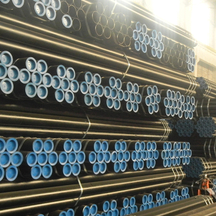
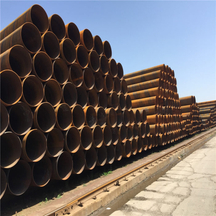
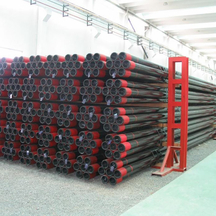
Product Range: ERW, LSAW, SSAW, galvanized, black, FBE, 3LPE, and 3LPP coated pipes. Custom sizes and coatings available per project specs.
Quality Assurance: Every pipe undergoes strict inspection—raw material checks, welding tests, coating adhesion verification, and non-destructive testing. Third-party inspections (SGS, BV, TÜV) are supported.
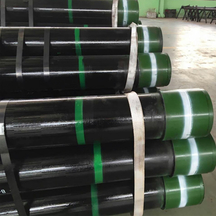
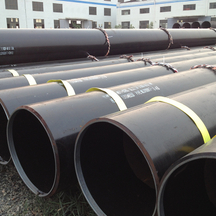
Safe Packaging: Steel bundling, end caps, waterproof wrapping, and wooden cases protect surfaces during transit, minimizing scratches and moisture damage.
Global Shipping: We export to Asia, Europe, the Middle East, Africa, and the Americas via sea, rail, or air. Flexible terms (EXW, FOB, CFR, CIF, DDP) and full documentation ensure smooth delivery. Real-time tracking keeps you informed.
From product selection to final delivery, our team provides technical support and responsive service. Choose us for durable pipes, competitive pricing, and reliable logistics—backed by quality you can trust.
Best Practices for Storage and Maintenance
Practice Category | Key Actions | Benefits |
|---|---|---|
Proper Storage | Elevate pipes, keep dry, separate types, use FIFO | Prevents premature corrosion and coating damage |
Routine Inspection | Check for rust/scratches, clean residues, repair damage | Identifies issues early before costly repairs occur |
Safe Handling | Use nylon slings, avoid dropping/dragging, secure stacking | Prevents mechanical damage during transport/installation |
Preventive Care | Implement regular maintenance schedules | Reduces lifecycle costs and extends service life |
Conclusion
Surface protection is essential for welded steel pipes used in construction, oil and gas, water systems, and infrastructure. The right coating—whether galvanizing, epoxy, FBE, 3LPE, or 3LPP—prevents corrosion, cuts maintenance costs, and extends service life. For temporary needs, anti-rust oil protects pipes during storage and shipping.
Choosing the best method depends on environment, temperature, budget, and lifespan requirements. Proper handling, storage, and routine inspections further preserve coating integrity and reduce failure risks.
FAQ:
Q1: What is the best surface protection method for welded steel pipes?
Answer the question by comparing galvanizing, FBE, 3LPE, and painted coatings based on application environment, budget, and expected service life.
Q2: How long does galvanized welded steel pipe last?
Discuss lifespan under different environmental conditions and maintenance practices.
Q3: Which coating is best for underground pipelines?
Explain why FBE and 3LPE are widely used for buried pipeline applications.
Q4: Can welded steel pipes be customized with different surface coatings?
Describe available coating options, custom colors, coating thicknesses, and project-specific requirements.
About Us / News / Product / Project / Quality Assurance / Service / Contact Us