Views: 0 Author: Site Editor Publish Time: 2026-08-28 Origin: Site
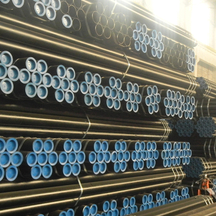
Boiler tubes are specialized steel pipes designed for high-temperature, high-pressure environments in heat-transfer and steam-generation systems. Manufactured from carbon steel, alloy steel, or stainless steel, they provide essential strength, heat resistance, and durability.
These tubes are available in seamless and welded configurations, with seamless options typically preferred for critical high-pressure applications. They are produced to strict international standards (such as ASTM/ASME) that govern chemical composition, mechanical properties, and quality testing.
When selecting boiler tubes, buyers must evaluate more than just dimensions. Key factors include material grade, wall thickness, operating temperature, pressure requirements, and corrosion resistance. Choosing the correct specification ensures safe, efficient, and reliable boiler performance while maximizing equipment service life.
How Are Boiler Tubes Manufactured?
The manufacturing process of boiler tubes is designed to ensure they can withstand high temperatures, high pressures, and long-term operation. Depending on the material, tube type, and applicable standard, the process may include raw material preparation, tube forming, heat treatment, sizing, and quality inspection.
Manufacturing Process Overview
Step | Process | Key Points |
|---|---|---|
| Select steel billets, plates, or strips per chemical composition and mechanical properties | Inspect for surface defects, dimensions, composition—proper selection provides foundation for strength and durability |
2. Tube Forming | Seamless: solid billet heated, pierced, rolled, sized—no longitudinal weld; Welded: strip/plate formed into cylinder, joined along longitudinal seam | Seamless for high-pressure; welded with weld inspection and heat treatment if required |
3. Heat Treatment | Normalizing, annealing, quenching, tempering per material specification | Achieves required hardness, tensile strength, toughness, microstructure—reliable performance under high temp/pressure |
| Sized and straightened to dimensional tolerances; cut to length; cleaning, descaling, polishing as needed | Surface treatment prepares tubes for inspection and shipment |
5. Quality Inspection & Testing | Chemical analysis, dimensional/visual inspection, tensile/hardness testing, hydrostatic/pressure testing, ultrasonic testing, eddy-current testing, other NDT | Essential for pressure and heat-transfer components—verifies compliance with standards |
Seamless vs. Welded Tube Forming
Type | Process | Best For |
|---|---|---|
Seamless | Solid billet → heated → pierced → rolled → sized | High-pressure applications—no longitudinal weld seam |
Welded | Strip/plate → formed into cylinder → welded along seam → inspected → heat-treated if required | Where specification permits; weld quality controlled |
Key Takeaway
Boiler tube manufacturing involves:
Raw material selection – composition and properties
Tube forming – seamless or welded
Heat treatment – mechanical properties and microstructure
Sizing and surface treatment – dimensions and finish
Quality inspection – chemical, dimensional, mechanical, pressure, and NDT testing
A controlled manufacturing process, combined with strict inspection and testing, ensures boiler tubes provide the strength, pressure resistance, heat resistance, and service reliability required for demanding boiler applications.
Boiler tubes are designed for demanding operating conditions, including high temperatures, high pressures, and continuous heat transfer. Their specialized materials and manufacturing processes give them several advantages over conventional steel tubes. These advantages make boiler tubes suitable for power generation, industrial boilers, petrochemical facilities, and other heat-transfer applications.
Key Advantages
Advantage | Description | Benefit |
|---|---|---|
Excellent High-Temperature Performance | Alloy and stainless steels maintain mechanical properties at elevated temperatures—Cr, Mo, Ni improve heat resistance, oxidation resistance, high-temp strength | Reliable operation in superheaters, reheaters, and high-temperature boiler sections |
High Pressure Resistance | Controlled dimensions, wall thickness, material grades—seamless tubes common for high-pressure (no longitudinal weld) | Withstands significant internal pressure—material selection, heat treatment, pressure testing improve reliability |
Efficient Heat Transfer | Large surface area for heat transfer between combustion gases and water/steam—accurate dimensions and suitable material | Improved thermal efficiency; reduced energy losses |
Corrosion & Oxidation Resistance | Exposure to water, steam, combustion gases—selected materials with enhanced resistance | Extends service life—stainless and alloy steels for demanding heat/corrosion conditions |
Long Service Life & Reliability | Strict control of composition, dimensions, heat treatment, testing | Reduces premature failure, maintenance frequency, shutdowns, replacement costs—stable production, lower operating expenses |
Adaptability to Different Applications | Wide range of materials, grades, dimensions, specifications | Matched to different pressure levels, temperature ranges, working environments—industrial boilers, power plants, heat exchangers, superheaters, reheaters |
Material Performance Summary
Material Type | Key Properties | Typical Application |
|---|---|---|
Carbon steel | Good strength, cost-effective | Moderate temperature/pressure |
Alloy steel | High-temp strength, oxidation resistance | High-temperature sections |
Stainless steel | Corrosion resistance, high-temp performance | Aggressive/corrosive environments |
Key Takeaway
The main advantages of boiler tubes include:
High-temperature strength – maintains properties under heat
Pressure resistance – withstands internal pressure
Efficient heat transfer – improved thermal efficiency
Corrosion resistance – extends service life
Durability – long-term reliability
Application flexibility – adaptable to various conditions
Choosing the appropriate tube material and specification is essential for achieving safe and efficient boiler operation.
Boiler pipes are widely used in equipment that requires reliable heat transfer under high-temperature and high-pressure conditions. They are essential components in boilers, heat exchangers, and steam-generation systems across industries such as power generation, manufacturing, chemical processing, and energy recovery.
Applications Overview
Application | Typical Uses | Key Requirements |
|---|---|---|
Power Generation Boilers | Water walls, superheaters, reheaters, economizers in thermal power plants | High-temp strength, pressure resistance, long-term reliability |
Industrial Boilers | Steam or hot water for manufacturing processes, heating | Withstand continuous heating/pressure cycles—carbon steel for standard; alloy/stainless for demanding |
Petrochemical & Chemical | Steam and high-temperature heat for heating, refining, chemical reactions | Corrosive environments require alloy steel or stainless steel for high-temp, oxidation, and corrosion resistance |
Waste-to-Energy Systems | Steam and electricity from waste combustion | High-temp and corrosion resistance for aggressive combustion gases |
Superheaters & Reheaters | Increase saturated steam temperature; reheat after turbine passage | Materials maintain strength and resist oxidation under prolonged high-temperature exposure |
Economizers & Heat Exchangers | Recover exhaust gas heat to preheat feedwater; transfer thermal energy between fluids | Temperature, pressure, fluid properties, corrosion conditions determine material and design |
Selection Factors by Application
Factor | Why It Matters |
|---|---|
Operating temperature | Determines material grade and heat resistance |
Working pressure | Affects wall thickness and tube type |
Tube material and grade | Carbon, alloy, or stainless steel per conditions |
Outside diameter and wall thickness | Flow and pressure capacity |
Seamless or welded construction | Seamless for high-pressure; welded where permitted |
Corrosion and oxidation conditions | Requires suitable material selection |
Applicable standards | Compliance and quality |
Required testing and certifications | Verification and project acceptance |
Key Takeaway
Boiler tubes are used across:
Power generation – thermal power plants, superheaters, reheaters, economizers
Industrial boilers – manufacturing, heating, process steam
Petrochemical and chemical – refining, chemical reactions, corrosive environments
Waste-to-energy – combustion gas heat recovery
Heat exchangers – thermal energy transfer between fluids
Different applications require different tube specifications. Selecting the correct boiler tube improves heat-transfer efficiency, operational safety, and service life. For demanding applications, working with an experienced boiler tube manufacturer ensures that material and specifications match actual operating conditions.
Choosing the right boiler tubes is essential for safe operation, efficient heat transfer, and long service life. The correct tube should match the boiler's operating conditions, design requirements, applicable standards, and maintenance expectations. Before placing an order, buyers should evaluate several key factors.
Selection Factors
Factor | Key Considerations | Why It Matters |
|---|---|---|
Operating Temperature & Pressure | High-pressure/high-temp sections require materials that maintain strength; superheaters/reheaters need heat-resistant materials | Selected tube must meet equipment pressure and temperature requirements |
Material & Grade | Carbon steel (conventional, cost-effective); alloy steel (high-temp/high-pressure, creep strength); stainless steel (corrosion/oxidation resistance) | Select per equipment design, operating conditions, and applicable standard—not price alone |
Dimensions | Outside diameter, wall thickness, length—wall thickness critical for pressure resistance and service life | Incorrect dimensions cause installation problems, inefficient heat transfer, or reduced mechanical performance |
Seamless vs. Welded | Seamless (no longitudinal weld) for high-pressure/high-temp; welded where standards permit | Decision based on operating conditions, dimensions, standards, and project requirements |
Applicable Standards | ASTM, ASME, EN, DIN, or other—chemical composition, mechanical properties, dimensions, heat treatment, testing, inspection | Confirming standard ensures compatibility and consistent product quality |
Corrosion & Environmental Conditions | Water chemistry, steam conditions, combustion gases, oxidation, corrosive substances | Material with appropriate corrosion/oxidation resistance reduces premature failure and maintenance costs |
Quality Control & Supplier Capability | Test reports, certificates, dimensional inspections, pressure testing, NDT | Manufacturing and inspection processes matter—supplier should provide technical support, customized specs, packaging, and reliable delivery |
Material Selection Guide
Material | Best For | Key Properties |
|---|---|---|
Carbon steel | Conventional boiler applications | Cost-effective, good strength |
Alloy steel | High-temperature and high-pressure | Creep strength, heat resistance |
Stainless steel | Corrosion and oxidation concerns | Corrosion resistance, high-temp performance |
Key Takeaway
Selecting the right boiler tubes requires consideration of:
Temperature and pressure – operating limits
Material and grade – strength and resistance
Dimensions – fit and performance
Seamless or welded – construction type
Standards – compliance and quality
Corrosion environment – durability
Supplier quality – manufacturing and inspection
Matching these factors to the actual application ensures safe, efficient, and reliable boiler performance.
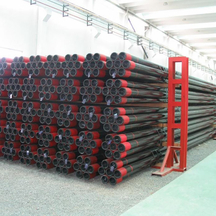
We supply premium seamless and welded boiler tubes in carbon steel, alloy steel, and stainless steel, engineered to withstand extreme high-temperature and high-pressure environments. Ideal for power plants, heat exchangers, and industrial processing equipment, our tubes are manufactured to strict international standards to ensure reliable performance.
Quality and customization are at the core of our services. We manufacture tubes to exact dimensions and provide comprehensive material certificates and rigorous testing (including hydrostatic and ultrasonic tests) to guarantee compliance with your project standards.
Beyond manufacturing, we provide end-to-end global shipping solutions. We understand that timely delivery is critical to maintaining project schedules. Our logistics team manages secure packaging and flexible transportation options—including sea, air, and land freight—to prevent transit damage and ensure your boiler tubes arrive safely and on time.
From technical consultation to final delivery, we provide a complete, reliable supply chain. To receive a customized product and shipping quotation, please contact us today with your required material grade, dimensions, quantity, and delivery destination. Our expert team will recommend the optimal boiler tube configuration tailored to your project's exact needs.
Boiler tubes are critical components engineered to withstand extremely high temperatures and pressures in power plants, industrial boilers, and heat exchangers. Their performance directly impacts system safety and efficiency.
Selecting the right boiler tube requires careful evaluation of material grade, wall thickness, operating conditions, and manufacturing standards. Both seamless and welded options are available, with material choice depending on specific corrosion resistance and heat-transfer requirements.
FAQ:
1. What are boiler tubes used for?
Boiler tubes transfer heat between hot gases and water or steam. They are widely used in boilers, superheaters, reheaters, economizers, and heat exchangers.
2. What materials are commonly used for boiler tubes?
Common materials include carbon steel, alloy steel, and stainless steel. The appropriate material depends on temperature, pressure, corrosion conditions, and application requirements.
3. Are boiler tubes seamless or welded?
Boiler tubes can be either seamless or welded. Seamless tubes are commonly used for high-pressure applications, while welded tubes are suitable for applications that meet the relevant standards and specifications.
4. How are boiler tubes tested?
Common tests include chemical analysis, dimensional inspection, tensile testing, hardness testing, hydrostatic testing, and non-destructive testing such as ultrasonic testing.
5. How do I choose the right boiler tubes?
Consider the operating temperature, working pressure, material grade, tube dimensions, construction type, corrosion environment, and applicable standards before making a selection.
About Us / News / Product / Project / Quality Assurance / Service / Contact Us