Views: 6 Author: Site Editor Publish Time: 2026-05-12 Origin: Site
Introduction to Welded Steel Pipes
Welded steel pipes are among the most widely used steel products in global construction, energy, and industrial engineering. Manufactured by forming steel plates or coils into a cylindrical shape and joining the edges through welding, they are highly valued for their cost efficiency, wide size range, and strong practical performance.
What Are Welded Steel Pipes?
Unlike seamless pipes, welded steel pipes contain a visible welded joint. Modern manufacturing forms steel strips into pipes using specific welding methods, followed by sizing, heat treatment, and inspection. The three primary types are:
ERW (Electric Resistance Welded): Known for high production efficiency and cost savings.
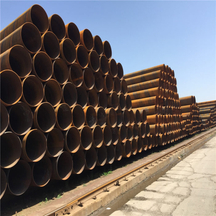
SSAW (Spiral Submerged Arc Welded): Offers superior strength and is ideal for large-diameter pipes.
LSAW (Longitudinal Submerged Arc Welded): Produced using straight-seam submerged arc welding for high-quality results.
Welded vs. Seamless Steel Pipes
The main difference lies in the manufacturing method. While seamless pipes are preferred for ultra-high-pressure and high-temperature environments, welded pipes are more economical and easier to produce in large diameters. For most medium- and low-pressure systems, welded pipes provide sufficient strength at a significantly lower production cost.
Advantages and Applications
Welded steel pipes offer excellent dimensional accuracy, high production efficiency, and convenient installation. They are essential in water supply systems, oil and gas transportation, structural steel construction, fire protection, and mechanical engineering. With continuous improvements in welding technology and inspection standards, welded steel pipes remain a cornerstone material in modern infrastructure and industrial development.
Advantages of Welded Steel Pipes
Welded steel pipes are essential in construction, oil and gas, and infrastructure due to their excellent balance of cost, performance, and efficiency. Modern welding technology has significantly enhanced its reliability, making it a preferred choice for global engineering projects.
Ø Lower Production Cost
A primary advantage is their cost-effectiveness. The manufacturing process uses steel coils or plates with minimal material waste, making welded pipes significantly more economical than seamless alternatives. This reduces overall project budgets, especially for large-scale infrastructure requiring massive quantities of piping.
Ø Wide Range of Sizes and Specifications
Manufacturers can efficiently produce welded pipes in a broad spectrum of diameters, wall thicknesses, and lengths. This flexibility is crucial for large-diameter applications in oil and gas transportation, water transmission, and structural engineering, allowing for highly customized project specifications.
Ø High Production Efficiency
Modern automated production lines ensure high-speed manufacturing and stable supply capabilities. Large quantities of welded steel pipes can be produced within short delivery periods, effectively supporting fast-paced project schedules and urgent industrial demands.
Ø Good Dimensional Accuracy
Welded pipes offer excellent dimensional consistency and precise wall thickness control. Accurate dimensions in roundness and straightness simplify on-site installation, welding, and fabrication, greatly improving overall construction efficiency.
Ø Superior Fabrication and Applications
These pipes feature excellent weldability and machinability, allowing them to be easily cut, bent, and processed. Commonly used in water supply, fire protection, scaffolding, and mechanical engineering, welded steel pipes provide reliable long-term performance for medium-pressure and general industrial applications.
Disadvantages of Welded Steel Pipes
Welded steel pipes are widely favored in construction and industrial systems for their cost efficiency and availability. However, compared to seamless steel pipes, they have specific limitations, especially in extreme operating environments. Understanding these drawbacks is crucial for engineers and buyers to select the right materials for their projects.
Key Disadvantages at a Glance
Disadvantage | Description | Impact on Application |
Presence of Weld Seams | The welded joint can be a structural weak point with higher stress concentration compared to the uniform pipe body. | Increases the risk of cracking or failure in critical high-stress conditions. |
Lower Pressure Resistance | Generally offers lower pressure-bearing capability than seamless pipes of similar dimensions. | Less suitable for ultra-high-pressure systems like power generation or steam pipelines. |
Potential Corrosion Risks | Heat from welding alters the steel's microstructure, making the weld zone more vulnerable to corrosion. | Requires extra protection (e.g., galvanizing) in humid, marine, or chemical environments. |
Quality Dependency | Performance relies heavily on manufacturing technology, welding procedures, and raw material quality. | Poor quality control can significantly reduce structural reliability and service life. |
Higher Inspection Needs | Weld seams are critical areas that demand rigorous verification during production. | Increases testing requirements (e.g., X-ray, ultrasonic testing) and quality control costs. |
Limitations in Extreme Applications
While modern welding technology has greatly improved reliability, welded steel pipes may not be the best choice for extreme operating conditions. For applications involving ultra-high pressure, extremely high temperatures, severe cyclic stress, or critical chemical processing, seamless steel pipes often provide better long-term performance and safety margins.
Despite these disadvantages, welded steel pipes remain highly valuable due to their lower cost and efficient production. When properly manufactured and selected according to specific operating conditions, they provide a reliable and economical solution for a wide variety of engineering projects.
Common Applications of Welded Steel Pipes
Welded steel pipes are a cornerstone of modern construction, energy, and infrastructure due to their cost efficiency, wide size availability, and reliable mechanical performance. Compared to seamless pipes, they are more economical to produce in large diameters and long lengths, making them ideal for projects requiring massive quantities of piping.
Key Applications by Industry
The versatility of welded steel pipes allows them to serve critical roles across various sectors. Below is a breakdown of their most common applications:
Industry / Sector | Common Applications | Key Advantages |
Water Transportation | Municipal water supply, drainage, irrigation networks, and industrial water pipelines. | High strength, cost-effective for large diameters, and excellent dimensional accuracy. |
Oil & Gas | Transporting crude oil, natural gas, and petroleum products (using ERW, SSAW, and LSAW pipes). | Strong structural performance for long-distance energy transport at a lower production cost. |
Structural Construction | Building frameworks, steel columns, scaffolding, roofing, and industrial buildings. | Great fabrication flexibility, strong load-bearing capacity, and suitability for square/rectangular shapes. |
Mechanical Engineering | Mechanical frames, equipment supports, conveyor systems, and manufacturing machinery. | Highly machinable and weldable, allowing easy customization into various components. |
Fire Protection & HVAC | Fire sprinkler systems, heating, ventilation, and air conditioning (HVAC), and fluid transport. | Galvanized options offer excellent corrosion resistance and perform well under moderate pressure. |
Agriculture & Fencing | Greenhouse structures, irrigation systems, steel fencing, handrails, and barriers. | Highly durable and economical for large-scale outdoor and agricultural infrastructure. |
FAQ: Why Choose Welded Steel Pipes?
Several core characteristics make welded steel pipes the preferred material for these diverse industries:
Lower Production Cost: An economical solution for both small and large-scale projects.
Wide Size Availability: Easily produced in various diameters, wall thicknesses, and lengths.
High Manufacturing Efficiency: Modern automated production ensures a stable supply and fast delivery.
Excellent Fabrication: Superior weldability and machinability simplify on-site installation and processing.
Because of these practical advantages, welded steel pipes remain an indispensable material in global industrial, structural, and infrastructure development.
Factors to Consider When Choosing Welded Steel Pipes
Selecting the right welded steel pipe is crucial for ensuring system safety, structural reliability, and long-term project performance. To help engineers and buyers make informed decisions, here are the essential factors to evaluate:
Ø Pipe Diameter and Wall Thickness
Dimensions directly impact fluid flow capacity and structural strength. Large-diameter pipes are ideal for long-distance transmission, while specific wall thicknesses are required to balance pressure resistance with material costs. Selecting the correct size ensures both safety and cost-efficiency.
Ø Pressure and Temperature Requirements
Operating conditions dictate the necessary pressure-bearing capability. While welded pipes excel in medium- and low-pressure systems (like water pipelines), extremely high-pressure or high-temperature environments may require specialized materials or seamless alternatives.
Ø Pipe Material Selection
Choose materials based on the application environment:
Carbon Steel: Economical and strong, ideal for general structural use.
Galvanized Steel: Offers superior corrosion resistance for outdoor or humid settings.
Stainless/Alloy Steel: Best for chemical processing or highly corrosive conditions.
Ø Welding Quality and Inspection Standards
The integrity of the weld seam is vital. Ensure the manufacturer employs advanced welding technology and rigorous inspection methods, such as ultrasonic testing, hydrostatic testing, and X-ray inspection, to prevent leakage or structural failure.
Ø Corrosion Resistance and Surface Treatment
For pipes used in marine or harsh outdoor environments, additional protection is necessary. Common treatments like galvanizing, epoxy coatings, and specialized painting significantly extend service life and reduce maintenance costs.
Ø Manufacturing Standards and Supplier Reliability
Always verify compliance with international standards (such as ASTM, API, EN, or ISO) and request mill test certificates. Partnering with a reliable supplier ensures consistent quality, technical support, and dependable delivery for your project.
By carefully evaluating these factors, you can select welded steel pipes that deliver safe, economical, and durable performance for any industrial or structural application.
Product Recommendation: Welded Steel Pipes from Threeway Steel Co., Ltd.
High-quality welded steel pipes are vital for construction and industrial projects, providing solid structural safety and long service life, and are widely used in water delivery, oil and gas pipelines, and structural engineering.
Threeway Steel Co., Ltd. is a professional manufacturer and exporter of welded steel pipes, serving global construction, infrastructure, and energy projects. It strictly follows international standards to guarantee stable quality, precise dimensions, and excellent welding performance.
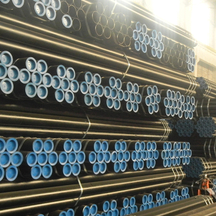
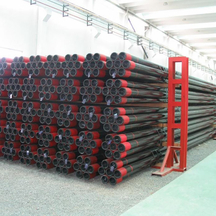
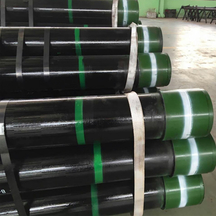
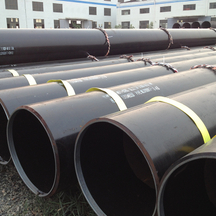
The company supplies a full product range, including ERW, SSAW, LSAW, galvanized and structural welded steel pipes in multiple diameters, wall thicknesses and lengths, suitable for water supply, oil & gas transportation, fire protection and industrial machinery.
Its welded pipes feature stable mechanical performance, accurate dimensions, strong weld integrity, and cost competitiveness. Strict inspections like hydrostatic and ultrasonic testing ensure high reliability.
Supported by professional export packaging, global logistics, and customized specifications, Threeway Steel provides bulk supply and technical support with on-time delivery. Feel free to contact us anytime for a quote.

About Us / News / Product / Project / Quality Assurance / Service / Contact Us
