Views: 1 Author: Site Editor Publish Time: 2026-07-31 Origin: Site
Steel pipes are essential for industries like oil and gas, water supply, and construction, but they are highly vulnerable to corrosion in harsh environments. To solve this, 3PE (three-layer polyethylene) anti-corrosion steel pipes have become the industry-standard solution for long-term pipeline protection.
The 3PE coating system consists of three functional layers: a Fusion Bonded Epoxy (FBE) layer for excellent adhesion and corrosion resistance, an adhesive layer for structural bonding, and an outer polyethylene layer for superior mechanical protection against impact, moisture, and soil conditions. This comprehensive structure provides unmatched durability, making 3PE pipes ideal for underground, long-distance, and demanding environmental applications.
Beyond superior performance, 3PE steel pipes offer significant economic benefits. Their extended service life drastically reduces the frequency of repairs and replacements, lowering long-term maintenance costs while improving overall pipeline safety.
What Are 3PE Anti-Corrosion Steel Pipes?
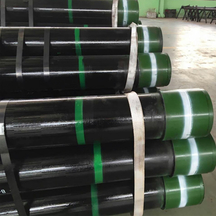
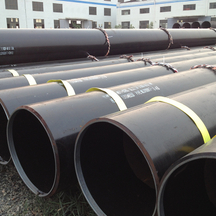
3PE anti-corrosion steel pipes feature a three-layer polyethylene (3PE) coating system that creates a strong barrier between the steel surface and the external environment—preventing corrosion from moisture, chemicals, and soil. This technology ensures durability, safety, and long-term performance in pipeline projects.
3PE Coating Structure
Layer | Material | Function |
|---|---|---|
1st Layer | Fusion Bonded Epoxy (FBE) | Applied to cleaned steel surface—strong adhesion; primary corrosion barrier |
2nd Layer | Adhesive | Connects epoxy and polyethylene layers—ensures coating stability |
3rd Layer | Polyethylene (PE) | Provides mechanical protection—resists impact, scratches, moisture, and transport/installation damage |
Manufacturing Process
Surface cleaning (rust/oil removal) → FBE application → adhesive layer → PE outer layer → quality inspection (thickness, adhesion, appearance, performance).
Common Applications
Oil and gas transmission
Water supply and drainage
Chemical transportation
Underground pipeline networks
Industrial infrastructure
Offshore and marine projects
Advantages of 3PE Anti-Corrosion Steel Pipes
3PE steel pipes offer excellent corrosion resistance, durability, mechanical protection, and cost efficiency—making them ideal for oil and gas, water, chemical, and infrastructure projects.
Key Advantage:
Advantage | Description |
|---|---|
Excellent Corrosion Resistance | FBE layer provides a chemical barrier; PE outer layer prevents moisture/contaminant penetration—ideal for underground, marine, and humid environments |
Long Service Life | Advanced coating protects against rust and wear—reduces replacement frequency; improves system reliability |
Strong Mechanical Protection | PE outer layer resists impact, scratches, and damage—valuable during transport, installation, and operation |
Excellent Waterproof Performance | Creates effective moisture barrier—suitable for buried pipelines and groundwater exposure |
Wide Application Range | Oil/gas transmission, urban water supply, chemical networks, heating/energy, underground infrastructure, offshore systems |
Improved Safety & Reliability | Reduces corrosion-related failures—prevents leaks and service interruptions |
Cost-Effective | Higher initial investment—lower maintenance, fewer failures, longer service life—better long-term economic value |
Feature | Benefit |
|---|---|
Corrosion resistance + mechanical strength | Durable, reliable pipelines |
Waterproof + wide application | Suitable for demanding environments |
Long service life + low maintenance | Cost savings over pipeline lifespan |
Factors to Consider When Choosing 3PE Anti-Corrosion Steel Pipes
Selecting the right 3PE pipes ensures pipeline safety, durability, and long-term performance. Evaluate application environment, specifications, coating quality, standards, and supplier capability.
Selection Guide
Factor | Key Considerations |
|---|---|
Application Environment | Soil conditions, moisture, chemical exposure, temperature—underground, underwater, or industrial areas require different protection levels |
Pipe Specifications | Diameter, wall thickness, length, steel grade, operating pressure—match to project requirements |
Coating Quality | Thickness, adhesion strength, surface condition, impact resistance, inspection results—uniform, defect-free coating |
Manufacturing Standards & Certifications | Supplier experience, production equipment, QC procedures, testing capabilities, certification records |
Transportation & Installation | Proper packaging, handling, logistics support—welding, connections, and site conditions affect coating performance |
Quality vs Cost | Balance initial investment with long-term value—lower cost may lead to higher maintenance and shorter service life |
Summary
Priority | Action |
|---|---|
Understand operating environment | Select suitable material and coating |
Verify specifications | Ensure safe operation and avoid unnecessary costs |
Check coating quality | Confirm uniform thickness, strong adhesion, no defects |
Choose a certified supplier | Ensure reliability and technical support |
Plan transport/installation | Protect coating; maintain performance |
Our 3PE Anti-Corrosion Steel Pipe Products & Global Shipping
Ensure long-term pipeline performance with our premium 3PE anti-corrosion steel pipes. We supply high-quality, durable pipeline solutions tailored for the oil and gas, water transportation, and infrastructure industries.
Our extensive product lineup includes:
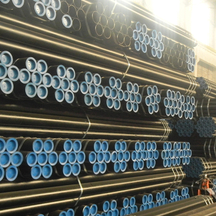
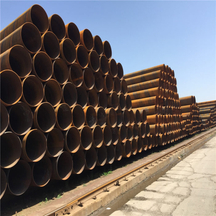
3PE Coated Spiral & Seamless Pipes: Providing superior structural strength and corrosion resistance for high-pressure and large-scale transmission systems.
3PE Coated ERW Pipes: Cost-effective solutions for medium and low-pressure applications.
Large-Diameter & Custom Pipes: Engineered to meet specific project standards, diameters, and wall thicknesses.
Backed by advanced manufacturing and strict quality control, every pipe undergoes rigorous inspections for coating thickness, adhesion, and welding performance. We also offer competitive factory-direct pricing and expert technical consultation to help you select the perfect pipeline solution.
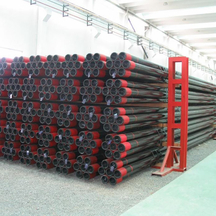
To serve global clients, we provide secure, export-standard packaging and flexible shipping options via sea, rail, or air. Our experienced logistics team optimizes container loading and handles all necessary export documentation, including Certificates of Origin and quality certificates, for seamless customs clearance. Partner with us for reliable 3PE steel pipes and efficient global delivery. Contact us today for a customized quote!
Conclusion
3PE anti-corrosion steel pipes are the industry standard for modern pipeline systems, offering unmatched durability and long-term reliability for the oil and gas, water supply, and infrastructure sectors.
The secret to their superior performance lies in their advanced three-layer polyethylene coating. This system combines a Fusion Bonded Epoxy (FBE) layer for excellent corrosion resistance, an adhesive layer for strong bonding, and an outer polyethylene layer for robust mechanical and impact protection. This comprehensive barrier effectively shields steel pipes from harsh soil conditions, moisture, and chemicals, making them ideal for underground and long-distance transmission systems.
Compared to traditional uncoated pipes, 3PE steel pipes significantly extend service life and reduce maintenance costs while improving overall pipeline safety. However, ensuring optimal performance requires selecting products that meet strict manufacturing standards and specific project requirements.
FAQ:
FAQ 1: What is the service life of 3PE anti-corrosion steel pipes?
Explain how coating quality, environment, and maintenance affect service life.
Mention that proper installation and operation can significantly extend pipeline lifespan.
FAQ 2: What is the difference between 3PE coated steel pipes and regular steel pipes?
Compare corrosion resistance, durability, maintenance requirements, and application environments.
FAQ 3: Are 3PE anti-corrosion steel pipes suitable for underground pipelines?
Explain their waterproof performance, soil corrosion resistance, and suitability for buried applications.
FAQ 4: What industries commonly use 3PE coated steel pipes?
Discuss oil and gas, water supply, chemical, construction, and infrastructure industries.
About Us / News / Product / Project / Quality Assurance / Service / Contact Us