Views: 0 Author: Site Editor Publish Time: 2026-09-01 Origin: Site
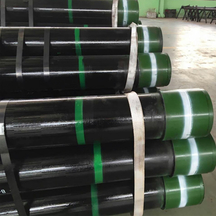
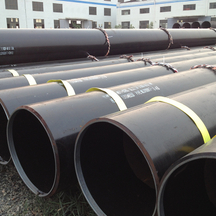
Corrosion-resistant spiral steel pipes combine the structural strength of spiral-welded steel with advanced protective barriers to prevent deterioration in harsh environments. By applying specialized external coatings (such as 3PE or FBE) and internal linings, these pipes effectively isolate the steel from moisture, soil, and corrosive chemicals.
This protective layer is essential for extending the pipeline's service life, reducing maintenance costs, and ensuring reliable fluid transportation. Widely used in water transmission, oil and gas infrastructure, and municipal drainage, these pipes are customized based on specific operating conditions and environmental factors.
However, selecting the right corrosion-resistant pipe requires evaluating more than just the coating. Critical factors include pipe diameter, wall thickness, steel grade, and applicable industry standards to ensure optimal performance and safety.
What Are Corrosion-Resistant Spiral Steel Pipes?
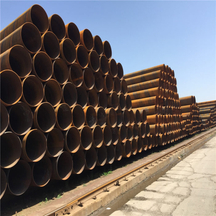
Corrosion-resistant spiral steel pipes are spiral-welded steel pipes designed with protective coatings, internal linings, or other corrosion-control measures to reduce the effects of corrosive environments. They are commonly used for transporting water, oil, natural gas, wastewater, and industrial fluids where ordinary unprotected steel may be exposed to moisture, chemicals, soil, salt, or other corrosion risks.
Spiral Steel Pipe Overview
Aspect | Description |
|---|---|
Manufacturing | Continuous steel strip/plate formed into spiral shape—edges welded together |
Key Advantage | Suitable for large-diameter steel pipes—various diameters, wall thicknesses, lengths, steel grades |
Applications | Pressure and non-pressure—specific design and manufacturing must match intended service |
How Corrosion Resistance Is Achieved
Coating/Protection System | Description | Best For |
|---|---|---|
3PE / 3LPE Coating | Multilayer polyethylene-based—epoxy primer + adhesive + polyethylene outer layer | External corrosion protection—buried pipelines |
Fusion-Bonded Epoxy (FBE) | Bonded epoxy coating protects steel from moisture and external factors | Different pipeline applications per performance requirements |
Epoxy Coatings | Barrier coating applied to steel pipe surfaces | General corrosion protection |
Internal Coatings/Linings | Protects inside surface from transported medium | Corrosive fluids |
Factors That Determine the Coating System
Factor | Why It Matters |
|---|---|
Soil and groundwater conditions | Affects external coating selection |
Humidity and salt exposure | Marine/coastal environments |
Operating temperature | Coating performance limits |
Internal fluid characteristics | Corrosiveness of transported medium |
Pipeline pressure | Mechanical demands |
Installation method | Handling and damage risks |
Required service life | Durability expectations |
Mechanical damage risks | Transport and installation protection |
Quality Requirements
Aspect | Key Checks |
|---|---|
Standards | API, ISO, ASTM, EN, or project-specific |
Steel Pipe Quality | Dimensional inspection, weld inspection, mechanical testing, hydrostatic testing |
Coating Quality | Coating thickness measurement, adhesion testing, holiday detection |
Key Takeaway
A corrosion-resistant spiral steel pipe is a combination of a suitable steel pipe design and an appropriate corrosion-protection system.
Selecting the correct:
Pipe grade
Dimensions
Coating
Inspection requirements
Is essential for achieving reliable long-term performance.
What Are the Advantages of Corrosion-Resistant Spiral Steel Pipes?
Corrosion-resistant spiral steel pipes combine the structural strength of steel with a protective coating or lining designed to reduce corrosion. This makes them useful for pipelines exposed to moisture, soil, salt, chemicals, and other potentially corrosive conditions. Compared with unprotected steel pipes, they can offer several advantages in service life, maintenance, and overall pipeline performance.
Key Advantages
Advantage | Description | Benefit |
|---|---|---|
Longer Service Life | Protective coating creates barrier against moisture and corrosive substances | Slows corrosion, maintains pipe wall—actual life depends on steel quality, coating, installation, environment, maintenance |
Stronger Corrosion Protection | 3PE/3LPE, FBE, epoxy coatings (external); internal linings (fluid protection) | Adaptable to various applications—coating must be compatible with temperature, soil, chemicals, service conditions |
Reduced Maintenance Requirements | Effective protection reduces inspection, repair, recoating, and replacement frequency | Valuable for buried/difficult-to-access pipelines—repair work involves excavation, traffic control, costly operations |
Suitable for Large-Diameter Pipelines | Spiral welding process produces large-diameter pipes | Transports substantial fluid volumes—reduces number of pipeline sections |
Good Adaptability to Environments | Designed for buried, water transmission, industrial, coastal, marine applications | Key: select appropriate corrosion-protection system—coating for ordinary service ≠ high-corrosion marine/chemical environments |
Potential Lifecycle Cost Savings | Initial price ≠ total cost—maintenance, repair, replacement, excavation, downtime, labor | Corrosion-resistant system may provide better long-term value—evaluate based on complete project, not coating cost alone |
Improved Pipeline Reliability | Preserves pipe surface, reduces corrosion-related problems | Combined with steel grade, wall thickness, welding quality, inspection, installation = reliable pipeline system |
Summary Table
Advantage Category | Key Benefit |
|---|---|
Service life | Longer potential life |
Corrosion protection | Effective barrier |
Maintenance | Reduced frequency |
Pipe size | Large-diameter capability |
Adaptability | Various environments |
Cost | Potential lifecycle savings |
Reliability | Improved system integrity |
Key Takeaway
The main advantages include:
Longer potential service life
Effective corrosion protection
Reduced maintenance
Suitability for large-diameter applications
Environmental adaptability
Potential lifecycle cost savings
To achieve these benefits, the pipe and coating system should always be selected according to the actual operating conditions and applicable project standards.
Where Are Corrosion-Resistant Spiral Steel Pipes Used?
Corrosion-resistant spiral steel pipes are used in many projects where steel pipes must transport fluids or remain exposed to moisture, soil, chemicals, salt, or other corrosive conditions. Their combination of large-diameter manufacturing capability and protective coating options makes them suitable for water infrastructure, energy projects, industrial facilities, and municipal systems.
Applications Overview
Application | Typical Uses | Key Considerations |
|---|---|---|
Water Supply & Transmission | Municipal water supply, raw-water transport, irrigation, long-distance transmission | External coatings for buried moisture/soil protection; internal coatings per water quality and service conditions |
Oil & Gas Pipelines | Crude oil transport, natural gas systems, gathering lines, industrial facilities | Pipe grade, wall thickness, pressure rating, welding, line-pipe standards—coating per environment and installation |
Drainage & Wastewater | Wastewater transport, drainage networks, stormwater systems, municipal infrastructure | Internal protection critical for corrosive fluids—coating/lining selected per conditions |
Industrial & Chemical | Water, process fluids, chemicals, industrial media | Material and coating selection per chemical compatibility, temperature, pressure—specific selection for actual medium |
Infrastructure & Utility | Utility pipelines, water treatment, pumping stations, district infrastructure | Large-diameter pipes, long-term underground service—external coating for soil/groundwater protection |
Marine & Coastal | Seawater, coastal, port, marine infrastructure | High humidity + salt exposure—more careful corrosion-control planning; coating, surface prep, installation, maintenance per exposure conditions |
Selection Factors
Factor | Why It Matters |
|---|---|
Transported medium | Internal corrosion risk |
Operating pressure & temperature | Mechanical and thermal demands |
Pipe diameter & wall thickness | Flow capacity and structural strength |
Internal corrosion risk | Need for internal lining |
External environmental conditions | Soil, moisture, salt, chemicals |
Soil & groundwater characteristics | Coating selection |
Required coating or lining | Protection system |
Applicable standards | Compliance |
Expected service life | Durability requirements |
Installation & maintenance conditions | Handling and access |
Key Takeaway
Corrosion-resistant spiral steel pipes are particularly valuable where large-diameter transportation and long-term corrosion protection are required.
By matching the:
Steel pipe
Coating system
Project specifications
To the operating environment, users can achieve more reliable pipeline performance and potentially reduce long-term maintenance requirements.
How to Choose the Right Corrosion-Resistant Spiral Steel Pipe
Choosing the right corrosion-resistant spiral steel pipe requires more than selecting a pipe with a protective coating. The pipe, steel grade, dimensions, coating system, and installation conditions should all match the requirements of the project. A suitable combination can improve service life, reduce maintenance, and provide more reliable pipeline performance.
Selection Factors
Factor | Key Considerations | Why It Matters |
|---|---|---|
Pipe Diameter & Wall Thickness | Diameter = flow capacity; thickness = pressure, structural loads, corrosion allowance | Large-diameter for water/drainage/infrastructure—determine per engineering calculations and standards, not availability |
Steel Grade | Yield strength, tensile strength, toughness, weldability—water, structural, oil/gas, or industrial service | Must meet mechanical properties and comply with applicable design code and product standard |
Corrosion Environment | Buried, groundwater, coastal/marine, industrial, chemicals, corrosive fluid | External and internal risks evaluated separately—may require different protection methods |
Coating or Lining | 3PE/3LPE, FBE, epoxy coatings, internal coatings/linings | Compatible with temperature, soil, medium, installation, service life—thickness, adhesion, surface prep, application quality matter |
Operating Pressure & Temperature | Pressure = wall thickness/grade; temperature = coating performance limits | Some coatings have specific operating temperature limits—must maintain performance throughout expected range |
Applicable Standards | API, ISO, ASTM, EN, national/project-specific—chemistry, properties, dimensions, weld quality, testing, coating, marking, inspection | Complete specification—not just general product description |
Quality Control & Inspection | Material certificates, weld inspection/NDT, hydrostatic testing, dimensional inspection, coating thickness, adhesion, holiday/spark testing, final inspection | Verifies steel pipe and coating meet quality standards before shipment |
Transportation & Installation | Length, diameter, weight, loading, destination, installation equipment | Large-diameter pipes require special handling—coating must be protected; field coating repair procedures needed |
Supplier Experience | Manufacturing, coating, inspection, packaging, international shipping | Experienced supplier simplifies purchasing process |
Quick Selection Checklist
Item | Check |
|---|---|
Pipe dimensions | Diameter, wall thickness |
Steel grade | Mechanical properties |
Corrosion environment | External and internal risks |
Coating/lining | Compatible with conditions |
Pressure & temperature | Operating limits |
Standards | API, ISO, ASTM, EN |
Quality control | Testing and inspection |
Logistics | Transport and installation |
Supplier | Experience and capability |
Key Takeaway
Selecting the right corrosion-resistant spiral steel pipe requires consideration of:
Pipe dimensions – flow and strength
Steel grade – mechanical properties
Corrosion environment – protection needs
Coating or lining – compatible system
Pressure & temperature – operating limits
Standards – compliance
Quality control – verification
Logistics – transport and handling
Matching these factors to the actual project conditions is the best way to achieve reliable performance and long-term value.
Our Corrosion-Resistant Spiral Steel Pipe Products & Shipping Solutions
We supply premium corrosion-resistant spiral steel pipes, engineered for water transmission, oil and gas, and municipal infrastructure. We customize large-diameter pipes with advanced protective systems, including 3PE, FBE, and epoxy coatings, tailored to your specific environmental and operating conditions.
Quality and compliance are paramount. We conduct rigorous inspections—including NDT, hydrostatic testing, and coating adhesion tests—and provide comprehensive material certificates to guarantee full adherence to your project standards.
Beyond manufacturing, we provide end-to-end global shipping solutions. We understand that timely delivery is critical to maintaining project schedules. Our logistics team manages secure packaging and flexible transportation options—including container, bulk, and breakbulk freight—to protect the coating and ensure your pipes arrive safely and on time.
From technical consultation to final delivery, we provide a complete, reliable supply chain. To receive a customized product and shipping quotation, please contact us today with your required pipe dimensions, steel grade, coating type, quantity, and delivery destination. Our expert team will recommend the optimal corrosion-resistant spiral steel pipe configuration tailored to your exact needs
Conclusion
Corrosion-resistant spiral steel pipes offer a highly practical solution for large-diameter pipeline projects, combining structural strength with advanced protective barriers. By applying specialized external coatings and internal linings, these pipes effectively shield against moisture, soil, and corrosive fluids, significantly extending service life and reducing costly maintenance.
Widely used in water transmission, municipal infrastructure, and oil and gas, they are ideal for demanding environments. However, achieving optimal performance requires careful evaluation of operating conditions, steel grade, and applicable standards. Equally important is rigorous quality control and secure transportation to protect the coating during transit.
FAQ:
1. What are the main advantages of corrosion-resistant spiral steel pipes?
They offer strong corrosion protection, longer potential service life, reduced maintenance requirements, and good suitability for large-diameter pipeline applications.
2. Where are corrosion-resistant spiral steel pipes commonly used?
They are commonly used in water transmission, drainage, wastewater, oil and gas, industrial, infrastructure, and selected marine applications.
3. What coatings are commonly used for spiral steel pipes?
Common options include 3PE/3LPE, fusion-bonded epoxy (FBE), and epoxy coatings. The choice depends on the operating environment and project requirements.
4. How do I choose the right corrosion-resistant spiral steel pipe?
Consider the pipe diameter, wall thickness, steel grade, transported medium, pressure, temperature, corrosion environment, coating system, applicable standards, and installation conditions.
5. Do corrosion-resistant spiral steel pipes require maintenance?
Yes. Although protective coatings reduce corrosion risks, regular inspection and appropriate maintenance are still important to identify coating damage or other potential problems.
About Us / News / Product / Project / Quality Assurance / Service / Contact Us