Views: 0 Author: Site Editor Publish Time: 2026-08-13 Origin: Site
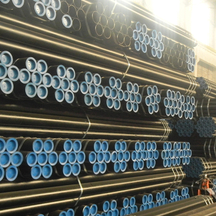
High-pressure carbon steel pipes are essential components for safely transporting fluids and gases in demanding industrial environments, including oil and gas, power generation, and chemical processing. Renowned for their exceptional mechanical strength, durability, and cost-effectiveness, they offer a highly practical alternative to more expensive stainless steels and specialized alloys.
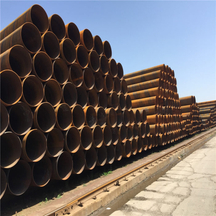
These pipes are designed to withstand significant internal pressure and harsh operating conditions. They are available in both seamless and welded configurations. Seamless pipes, which lack a longitudinal weld seam, are typically preferred for the most critical high-pressure applications due to their uniform structural integrity. However, the optimal choice between seamless and welded pipes should always be based on specific operating conditions, engineering requirements, and applicable industry standards.
What Are High-Pressure Carbon Steel Pipes?
High-pressure carbon steel pipes are steel pipes designed to transport liquids, gases, steam, or other media under relatively high internal pressure. Made primarily from carbon steel, they combine strength, durability, availability, and cost-effectiveness—making them widely used in demanding industrial applications.
The term "high-pressure" does not refer to one universal value. Safe working pressure depends on material grade, outside diameter, wall thickness, operating temperature, manufacturing method, and applicable design standards.
Key Characteristics
Characteristic | Explanation |
|---|---|
Mechanical Strength | Suitable carbon steel grades withstand significant internal pressure and external mechanical loads |
Size & Grade Options | Available in various diameters, wall thicknesses, and steel grades for different pressure/temperature needs |
Seamless or Welded | Seamless for demanding pressure applications; welded for economical larger-diameter options |
Wall Thickness | Adequate thickness prevents deformation and failure during operation |
Standards & Quality Requirements
Requirement | Why It Matters |
|---|---|
Chemical composition | Ensures material properties meet specification |
Mechanical properties | Confirms strength and ductility |
Dimensions | Verifies size and tolerance compliance |
Hydrostatic testing | Validates pressure integrity |
Non-destructive testing | Detects surface and subsurface defects |
Surface quality | Ensures finish meets application needs |
Certification & traceability | Confirms material origin and quality control |
How Do High-Pressure Carbon Steel Pipes Work?
Factor | Role |
|---|---|
Pipe wall | Contains pressure generated by transported medium |
Material grade | Determines pressure capacity |
Wall thickness | Affects pressure resistance and deformation risk |
Temperature | Impacts material performance |
Medium characteristics | May affect corrosion and material selection |
Summary Table
Aspect | High-Pressure Carbon Steel Pipe |
|---|---|
Material | Carbon steel (iron-based with carbon as main alloying element) |
Primary function | Transport liquids, gases, steam under high internal pressure |
Key properties | Strength, durability, availability, cost-effectiveness |
Manufacturing | Seamless (demanding) or welded (economical) |
Selection factors | Grade, diameter, wall thickness, temperature, standard |
Common industries | Oil & gas, power generation, chemical, petrochemical, mining |
Applications of High-Pressure Carbon Steel Pipes
High-pressure carbon steel pipes are widely used across industries requiring reliable transportation of liquids, gases, steam, and other media under demanding conditions. Their strength, durability, and cost-effectiveness make them suitable for large industrial facilities and specialized pressure systems.
Applications Overview
Industry | Typical Applications | Key Considerations |
|---|---|---|
Oil & Gas | Crude oil, natural gas, refined product transport; gathering systems; refineries | Pressure, temperature, fluid composition, environmental conditions vary by application |
Power Generation | Boiler systems, steam lines, feedwater systems, pressure-bearing applications | High pressure + elevated temperature; must meet material, dimensional, and testing standards |
Chemical & Petrochemical | Raw materials, chemicals, gases, processed products transport | Pressure, temperature, and chemical compatibility; material must resist corrosion |
Hydraulic & Industrial Systems | Pressurized water, hydraulic fluids between pumps, valves, cylinders, equipment | Strength for mechanical loads, vibration, continuous operation |
Mining & Mineral Processing | Water, slurry, compressed air transport | May require abrasion and corrosion resistance for demanding environments |
Marine & Other Industrial | Shipbuilding, marine engineering, specialized manufacturing systems | Available in various sizes and grades for adaptation to different requirements |
Selection Factors by Application
Application | Critical Selection Factors |
|---|---|
Oil & gas pipelines | Pressure rating, grade, corrosion resistance, environmental conditions |
Power plant steam lines | Temperature resistance, pressure capacity, standard compliance |
Chemical processing | Chemical compatibility, corrosion allowance, material certification |
Hydraulic systems | Mechanical strength, dimensional accuracy, fatigue resistance |
Mining operations | Abrasion resistance, impact toughness, wall thickness |
Marine systems | Corrosion protection (coating or material grade), marine environment exposure |
Summary Table
Aspect | High-Pressure Carbon Steel Pipes |
|---|---|
Primary function | Transport liquids, gases, steam under high pressure |
Key industries | Oil & gas, power generation, chemical, petrochemical, hydraulic, mining, marine |
Main advantages | Strength, durability, cost-effectiveness, wide size/grade availability |
Selection basis | Pressure, temperature, medium, dimensions, standards, installation requirements |
Advantages of High-Pressure Carbon Steel Pipes
High-pressure carbon steel pipes are widely used in demanding industrial applications because they provide a practical balance of strength, durability, performance, and cost. When properly selected and manufactured, they deliver reliable service in systems transporting fluids or gases under high pressure.
Key Advantages
Advantage | Explanation | Benefit |
|---|---|---|
High Strength & Pressure Resistance | Carbon steel withstands significant internal pressure and mechanical loads; capacity depends on grade, wall thickness, and diameter | Reduces risk of deformation, leakage, and premature failure |
Excellent Durability | Withstands vibration, mechanical stress, temperature changes, and continuous operation | Long service life with proper installation, inspection, and maintenance |
Cost-Effectiveness | More economical than stainless steel and specialty alloys | Attractive for large-scale projects with extensive piping requirements |
Wide Size & Specification Range | Available in various diameters, wall thicknesses, grades, seamless or welded | Flexibility to match specific pressure, temperature, flow, and installation needs |
Good Fabrication & Weldability | Suitable for cutting, forming, machining, and welding (proper procedures required) | Easy integration into complex piping systems |
Versatile Industrial Application | Used across oil & gas, power generation, chemical, petrochemical, mining, hydraulic systems | One material serves multiple demanding sectors |
Summary Table
Aspect | Advantage |
|---|---|
Strength | High pressure and mechanical load resistance |
Durability | Long service life in demanding conditions |
Cost | Economical compared to alloys |
Availability | Wide range of sizes, grades, and configurations |
Fabrication | Good weldability and machinability |
Versatility | Suitable for multiple industries |
Key Considerations for Maximizing Advantages
Factor | Why It Matters |
|---|---|
Proper material grade selection | Ensures pressure and temperature capacity |
Correct wall thickness | Prevents deformation and failure |
Quality manufacturing standards | Guarantees consistent performance |
Appropriate welding procedures | Critical for joint integrity in high-pressure systems |
Corrosion protection (when needed) | Extends service life in aggressive environments |
Regular inspection & maintenance | Maintains reliability over time |
How to Choose the Right High-Pressure Carbon Steel Pipe
Choosing the right high-pressure carbon steel pipe is essential for safety, reliability, and service life. Selection must match operating conditions, technical requirements, and standards—not just price or pressure rating.
Selection Factors
Factor | What to Check | Why It Matters |
|---|---|---|
Operating Pressure | Normal and maximum pressure; fluctuations | Determines grade, wall thickness, and diameter |
Operating Temperature | Normal, max, and min temperatures | High temps reduce strength; grade must suit range |
Steel Grade | Yield strength, tensile strength, chemical composition | Must meet pressure, temperature, and spec requirements |
Pipe Dimensions | OD, wall thickness, length, tolerances | OD for flow; wall thickness for pressure and loads |
Seamless vs. Welded | Seamless for demanding pressure; welded for larger diameters | Based on application and standards |
Standards & Certifications | ASTM, ASME, API, EN, GB; MTC and test reports | Ensures compliance, quality, and traceability |
Service Environment | Medium (oil, gas, chemicals, steam); corrosion/abrasion risks | May require extra protection or special material |
Supplier Reliability | Quality control, inspection, lead time, shipping | Affects product quality and delivery |
Quick Selection Guide
Condition | Recommendation |
|---|---|
High pressure / critical service | Seamless; higher grade; verified wall thickness |
Standard pressure / large diameter | Welded; cost-effective |
High temperature | Verify grade retains strength at operating temp |
Corrosive/abrasive environment | Consider corrosion allowance or additional protection |
Compliance required | Confirm applicable ASTM/ASME/API/EN/GB standard |
Pre-Purchase Checklist
Item | Action |
|---|---|
Pressure rating | Confirm with engineering design |
Temperature range | Verify grade suitability |
Material grade | Check mechanical + chemical properties |
Dimensions | Match flow + installation needs |
Standard | Specify applicable standard |
Certificates | Request MTC + inspection reports |
Environment | Assess corrosion/abrasion needs |
Supplier | Verify capability + track record |
Our High-Pressure Carbon Steel Pipe Recommendations & Shipping Information
We supply premium high-pressure carbon steel pipes tailored for oil and gas, power generation, chemical processing, and hydraulic systems. Whether your project requires seamless pipes for critical pressure applications or cost-effective welded pipes for larger diameters, our technical team can recommend the optimal specifications based on your operating pressure, temperature, and industry standards.
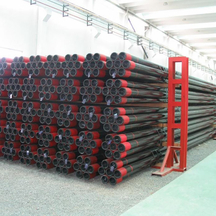
Quality and safety are paramount. Every pipe undergoes rigorous inspections, including hydrostatic testing and mechanical property verification, and is accompanied by comprehensive material certificates to ensure compliance and system reliability. To guarantee safe transit, we provide secure, professional bundling and packaging tailored to your transportation needs.
Beyond manufacturing, we offer end-to-end global shipping solutions. Whether you require containerized or bulk vessel transport, our logistics team manages production scheduling, export documentation, and delivery coordination to meet your project deadlines. We also provide estimated lead times to help you plan efficiently.
From product selection to final delivery, we provide a comprehensive, reliable supply chain for your high-pressure piping needs. If you are unsure which pipe is suitable, contact us today with your required pipe size, steel grade, pressure rating, quantity, and destination. We will provide expert recommendations, competitive pricing, and an efficient shipping plan to ensure safe and timely installation.
Maintenance and Safety Considerations for High-Pressure Carbon Steel Pipes
Proper maintenance is essential for the safe, reliable operation of high-pressure carbon steel pipes. Key practices include:
Routine Inspections: Regularly check for surface corrosion, cracks, or leaks, with a focus on vulnerable welds, joints, and supports.
Monitor Conditions: Ensure the system always operates within specified pressure and temperature limits to prevent structural stress.
Corrosion Control: Apply protective coatings and use non-destructive testing (like ultrasonic measurements) to detect internal wall thinning.
Safety First: Only qualified personnel should perform maintenance, strictly following safety protocols for system isolation and depressurization.
Keep Records: Maintain detailed logs of inspections, repairs, and pressure tests to track the pipe's condition over time.
Conclusion
High-pressure carbon steel pipes are essential for safely transporting fluids and gases in demanding industrial applications, including oil and gas, power generation, and chemical processing. Renowned for their high strength, durability, and cost-effectiveness, they offer a highly practical solution for critical infrastructure.
However, selecting the right pipe requires more than just considering size and price. Buyers must carefully evaluate operating pressure, temperature, the transported medium, and the service environment. Choosing an incorrect specification can lead to premature failure, corrosion, or safety hazards. Both seamless and welded options are available, and strict engineering requirements and applicable industry standards should drive the choice.
FAQ:
1. What are high-pressure carbon steel pipes used for?
They are commonly used to transport oil, gas, water, steam, and chemicals under high pressure. Major applications include oil and gas, power generation, petrochemical, chemical, mining, and hydraulic systems.
2. What are the main advantages of high-pressure carbon steel pipes?
They offer high strength, good pressure resistance, durability, cost-effectiveness, and a wide range of sizes and specifications.
3. Are seamless pipes better for high-pressure applications?
Seamless pipes are often preferred for demanding high-pressure applications, but welded pipes can also be suitable. The choice depends on pressure, temperature, dimensions, standards, and project requirements.
4. How do I choose the right high-pressure carbon steel pipe?
Consider operating pressure, temperature, pipe size, wall thickness, steel grade, transported medium, manufacturing method, and applicable standards.
5. How should high-pressure carbon steel pipes be maintained?
Regularly check for corrosion, cracks, deformation, leaks, and wall-thickness loss. Maintain pressure and temperature within specified limits and conduct professional inspections as necessary.
About Us / News / Product / Project / Quality Assurance / Service / Contact Us