Views: 0 Author: Site Editor Publish Time: 2026-10-22 Origin: Site
Straight-seam welded steel pipes are widely used to transport water, oil, natural gas, and industrial fluids across municipal, energy, and manufacturing projects. Common types include ERW pipes for water distribution and selected oil and gas applications, and LSAW pipes for large-diameter, higher-pressure pipelines. Their performance depends on steel grade, wall thickness, weld quality, corrosion protection, installation practices, and compliance with applicable standards. Key advantages include reliable fluid delivery, structural strength, flexible diameters and end preparations, cost-effective production, and adaptability to different service environments. However, they are not suitable for every application; pipe selection must match operating pressure, fluid characteristics, dimensions, and project requirements.
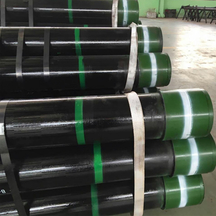
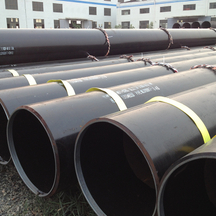
Straight seam welded steel pipes are made by forming flat steel plate or strip into a cylindrical shape and joining the edges with a longitudinal weld. The weld runs parallel to the pipe's length—giving this pipe type its name. Widely used in fluid transportation, they offer flexible dimensions, consistent manufacturing quality, and a range of material options.
Depending on the manufacturing method, these pipes can be produced in different diameters, wall thicknesses, and steel grades. Final performance depends on base material, welding process, dimensional accuracy, inspection procedures, and compliance with required standards.
How Are They Manufactured?
Step | What Happens |
|---|---|
1. Raw material preparation | Steel plates or coils are inspected and prepared per specifications |
2. Forming | Steel shaped into cylindrical/tubular form per production method |
3. Longitudinal welding | Edges joined along the pipe length using a suitable welding process |
4. Sizing & straightening | Pipe adjusted for specified OD, roundness, and straightness |
5. Inspection & testing | Dimensional checks, weld inspections, mechanical or pressure tests per standard and purchase specification |
6. Finishing & delivery | End preparation, surface treatment, coating, marking, packaging |
Not every pipe follows an identical production route. Specific process and testing requirements depend on pipe type, manufacturing standard, and intended application.
Common Types: ERW vs. LSAW
Feature | ERW Steel Pipes | LSAW Steel Pipes |
|---|---|---|
Full name | Electric Resistance Welded | Longitudinal Submerged Arc Welded |
Welding method | Electrical resistance welding | Submerged arc welding |
Typical raw material | Steel strip or coil | Steel plate |
Common applications | Water distribution, building services, selected industrial pipelines | Large-diameter water transmission, oil and gas pipelines, heavy-duty industrial projects |
Main considerations | Production efficiency and dimensional requirements | Large diameters, specified wall thicknesses, project-specific mechanical requirements |
Suitability of either type depends on required dimensions, pressure rating, steel grade, service environment, and applicable pipeline standard. Neither type should be selected solely on the basis of its manufacturing method.
Key Characteristics
Characteristic | Key Point |
|---|---|
Flexible dimensions | Various diameters and wall thicknesses to meet project requirements |
Material versatility | Different carbon steel and other specified grades depending on service |
Controlled production | Standardized manufacturing and inspection maintain dimensional consistency and weld quality |
Multiple surface treatments | External coatings and internal linings for corrosion reduction or fluid compatibility |
Broad application range | Municipal water systems, industrial fluid networks, selected oil and gas transportation |
Before Purchasing
Confirm:
Applicable standard
Steel grade
Outside diameter and wall thickness
Pipe length
Weld inspection requirements
Corrosion protection needs
Straight seam welded steel pipes are widely used in fluid transportation for their flexible dimensions, reliable manufacturing quality, and range of material and coating options. Depending on manufacturing process, steel grade, wall thickness, and applicable standards, they serve municipal infrastructure, energy projects, and industrial pipeline systems.
Not every pipe suits every fluid or operating condition. Consider working pressure, temperature, fluid composition, corrosion risks, and project specifications.
Application Overview
Application | Typical Pipe Considerations |
|---|---|
Municipal water supply | Pressure rating, corrosion protection, potable-water compliance |
Oil & gas transportation | Pipeline standard, steel grade, toughness, weld inspection, operating pressure |
Industrial fluid systems | Fluid compatibility, temperature, pressure, corrosion risks |
Heating & cooling | Temperature resistance, thermal expansion, system pressure |
Large-diameter infrastructure | Diameter, wall thickness, dimensional accuracy, installation requirements |
1. Water Supply and Municipal Pipeline Systems
Used in municipal water supply networks, water transmission pipelines, industrial water systems, and irrigation projects.
Pipe Type | Typical Use |
|---|---|
ERW | Smaller-diameter distribution lines and building water systems |
LSAW | Large-diameter water transmission projects |
Final selection depends on flow requirements, operating pressure, installation conditions, and applicable water pipeline standards.
For buried or exposed pipelines: external coatings, suitable linings, and joint protection extend service life. For drinking water: all materials and internal coatings must meet potable-water requirements.
2. Oil and Natural Gas Transportation
Used in selected oil and gas systems—gathering lines, transmission pipelines, and related infrastructure.
Critical requirements:
Steel grade, diameter, wall thickness
Toughness and weld inspection
Pressure testing
Compliance with pipeline standards (API 5L where specified)
Oil and gas pipelines operate under demanding conditions—high pressure, low temperatures, or corrosive environments. Select according to actual service conditions—not the general category of straight seam welded pipe alone.
3. Industrial Fluid Transportation
Used in manufacturing plants, chemical facilities, power stations, and processing plants for water, compressed air, process fluids, and other media.
Consideration | Key Point |
|---|---|
Material compatibility | Carbon steel for compatible water and general industrial services |
Demanding chemical environments | May require special materials, internal linings, or corrosion-resistant coatings |
Evaluation before installation | Fluid composition, operating temperature, pressure, potential corrosion/erosion |
Chemical compatibility | Some industrial fluids can rapidly damage unsuitable steel or coatings |
4. Heating, Cooling, and Energy Systems
Used in heating networks, cooling-water systems, HVAC installations, and energy infrastructure—transporting hot water, chilled water, and compatible fluids.
Match to system design:
Wall thickness and steel grade
Connection method
Design pressure and temperature
Also consider: thermal expansion, support spacing, vibration, and insulation requirements.
5. Large-Diameter Pipeline and Infrastructure Projects
Large-diameter straight seam pipes—particularly LSAW—are often considered for projects requiring substantial flow capacity:
Long-distance water transmission
Industrial water supply
Selected oil and gas pipeline applications
Suitability depends on dimensional tolerances, weld quality, mechanical properties, and project-specific requirements. Plan carefully for transportation, lifting, field welding, and installation to protect the pipe and its coating.
Straight seam welded steel pipes are widely used in fluid transportation because they combine manufacturing efficiency, flexible specifications, and dependable performance when produced and selected according to required standards. They suit municipal water supply, industrial fluid systems, and selected oil and gas pipelines.
Performance depends on manufacturing process and service conditions—but these pipes offer several important advantages for pipeline construction.
Key Advantages at a Glance
Advantage | Key Point |
|---|---|
High manufacturing efficiency | Modern production lines provide consistent output; ERW is efficient from coils, LSAW from plates for larger diameters |
Flexible dimensions & materials | Range of OD, wall thickness, length, and steel grades |
Reliable weld quality & dimensional accuracy | Modern welding and inspection control quality; not automatically defect-free |
Cost-effective construction | Competitive production and procurement costs; consider total cost |
Corrosion protection compatibility | External coatings and internal linings available |
Suitability for different projects | Small/medium distribution networks to large-diameter transmission systems |
1. High Manufacturing Efficiency
Made by forming steel plates or strips and welding longitudinal edges. Modern production lines provide consistent output and controlled conditions.
Pipe Type | Manufacturing Efficiency |
|---|---|
ERW | Efficiently produced from steel coils; practical for standard-size pipeline applications |
LSAW | Manufactured from steel plates; selected for larger diameters or specific wall thicknesses |
Efficient production shortens manufacturing cycles and supports project scheduling. Actual lead times depend on specifications, order quantities, production capacity, and inspection requirements.
2. Flexible Dimensions and Material Options
Available in a range of outside diameters, wall thicknesses, lengths, and steel grades—allowing engineers to meet hydraulic and mechanical requirements.
Application | Priority |
|---|---|
Municipal water | Flow capacity, pressure resistance, corrosion protection |
Oil and gas pipelines | Specified strength grades, toughness, strict weld inspection |
Industrial systems | Chemical properties of transported fluid |
Selected dimensions and materials must comply with applicable design codes and purchase specifications.
3. Reliable Weld Quality and Dimensional Accuracy
Modern welding and forming technologies control weld quality, pipe diameter, wall thickness, and straightness. Inspection procedures identify defects and verify compliance.
Inspection may include:
Visual examination
Ultrasonic testing
Radiographic testing
Dimensional checks
Mechanical testing
Hydrostatic testing
Welded pipes are not automatically defect-free. Reliability depends on manufacturing controls, qualified inspection procedures, and compliance with acceptance criteria.
4. Cost-Effective Pipeline Construction
Straight seam welded pipes can offer competitive production and procurement costs depending on dimensions, material, and service conditions.
Manufacturing efficiency and availability help buyers balance material costs, production requirements, and project schedules. Avoiding unnecessary overspecification improves cost efficiency.
A fair comparison includes more than purchase price: transportation, installation, welding, inspection, corrosion protection, maintenance, and expected service life.
5. Compatibility with Corrosion Protection Systems
Can be supplied with external coatings or internal linings when required.
Protection Option | Typical Application |
|---|---|
Epoxy coatings | Various pipeline applications |
Polyethylene-based coatings | External protection |
Cement mortar linings | Suitable for water pipeline applications |
Correct choice depends on transported fluid, soil conditions, operating temperature, and applicable standards.
Proper surface preparation, coating inspection, and field joint protection are essential for intended performance.
6. Suitability for Different Pipeline Projects
Pipe Type | Suitable Application |
|---|---|
ERW | Small- and medium-diameter distribution networks |
LSAW | Large-diameter transmission systems |
Selecting the right straight seam welded steel pipes is essential for pipeline safety, operational efficiency, and long-term service life. Different fluid transportation projects have different requirements for pressure resistance, material strength, corrosion protection, and dimensional accuracy. Evaluate these factors before ordering.
Selection Factors at a Glance
Factor | What to Evaluate |
|---|---|
1. Fluid & operating conditions | Fluid type, working pressure, temperature, corrosion risks, installation conditions |
2. Pipe type | ERW vs. LSAW based on dimensions and application |
3. Steel grade & wall thickness | Strength, toughness, pressure capacity, design code requirements |
4. Standards & quality testing | Applicable standard, inspection scope, documentation |
5. Corrosion protection & connections | Coatings, linings, end preparation, connection method |
6. Total cost & supplier reliability | Material, inspection, transportation, installation, service life |
1. Identify the Transported Fluid and Operating Conditions
Condition | What to Determine |
|---|---|
Fluid type | Water, gas, oil, or chemical fluid |
Working pressure | Normal operating pressure and relevant variations |
Operating temperature | Normal and extreme service temperatures |
Corrosion risks | Fluid composition, soil conditions, moisture, external environment |
Installation conditions | Buried, above ground, or demanding environment |
These factors determine required steel grade, wall thickness, pipe type, and protective coating.
2. Choose the Appropriate Pipe Type: ERW or LSAW
Factor | ERW Steel Pipes | LSAW Steel Pipes |
|---|---|---|
Manufacturing | Electrical resistance welding | Submerged arc welding |
Typical material | Steel strip or coil | Steel plate |
Common applications | Water distribution, building services, selected industrial pipelines | Large-diameter water transmission, oil and gas pipelines, industrial infrastructure |
Main considerations | Required dimensions, weld quality, applicable pressure rating | Diameter, wall thickness, mechanical properties, project-specific inspection requirements |
ERW — practical for many standard-size applications where specifications meet design requirements.
LSAW — often considered for large-diameter projects or applications requiring particular plate dimensions and wall thicknesses.
Neither type is automatically better for every project. Base the decision on required specifications, manufacturing quality, service conditions, and applicable standards.
3. Select the Correct Steel Grade and Wall Thickness
Steel grade affects strength, toughness, and suitability for particular operating conditions.
Wall thickness influences pressure-bearing capacity and resistance to external loads—final design also depends on pipe diameter, material properties, temperature, and applicable design codes.
For demanding oil and gas service, compliance with API 5L may be required when specified by the project. Other applications may use different national or industry standards.
Do not select wall thickness based only on general recommendations. Account for:
Operating pressure
External loads
Corrosion allowance (where applicable)
Manufacturing tolerances
Relevant safety requirements
4. Confirm Applicable Standards and Quality Testing
Verify compliance with the standard and specification required by the project. Requirements may cover chemical composition, tensile properties, dimensions, welding procedures, inspection, and acceptance criteria.
Quality Check | Purpose |
|---|---|
Chemical & mechanical testing | Composition and property verification |
Dimensional & visual inspection | Dimensions and surface quality |
NDE (UT/RT) | Weld integrity |
Hydrostatic testing | Pressure integrity (where required) |
Documentation review | Inspection reports and material traceability |
Agree on required tests before production. Confirm documentation and inspection arrangements in the purchase contract.
5. Evaluate Corrosion Protection and Connection Requirements
Corrosion protection is particularly important for buried water pipelines, offshore installations, and industrial systems handling corrosive fluids.
Protection Option | Typical Application |
|---|---|
External epoxy coatings | Various pipeline applications |
Polyethylene-based coatings | External protection |
Internal linings | Compatible with transported fluid |
Also specify: pipe length, end preparation, beveling, connection method, and special installation requirements. These details reduce fitting problems and improve construction efficiency.
6. Compare Total Project Cost and Supplier Reliability
The lowest purchase price does not always represent the best value. Compare:
Material costs
Inspection requirements
Coatings
Transportation
Installation
Maintenance
Expected service life
Quality control is essential for ensuring the safety and reliability of straight seam welded steel pipes in fluid transportation. These pipes may carry water, oil, natural gas, or industrial fluids under different pressure and temperature conditions. Poor material quality, welding defects, dimensional deviations, or inadequate corrosion protection can lead to leakage, pipeline failure, and costly maintenance.
Establish clear quality requirements covering raw materials, welding, inspection, testing, and final delivery.
Quality Control Checklist
Area | Key Requirements |
|---|---|
1. Raw material | Chemical composition, mechanical properties, surface condition, traceability |
2. Welding | Process control, weld inspection (visual, NDT), acceptance criteria |
3. Dimensions & pressure | OD, wall thickness, length, straightness, ovality, end prep; hydrostatic testing |
4. Corrosion protection | Surface prep, coating thickness, adhesion, continuity; potable-water compliance |
5. Standards & documentation | Applicable standard, material certificates, inspection records |
6. Transport & installation | Proper handling, storage, field welding, joint inspection, commissioning |
1. Raw Material Inspection
Quality begins with the steel plate or strip. Raw materials should meet chemical composition, mechanical properties, and dimensional requirements.
Inspection Item | What to Check |
|---|---|
Chemical composition | Steel meets specified grade requirements |
Mechanical properties | Tensile strength, yield strength, elongation, other required properties |
Surface condition | Cracks, laminations, excessive rust, other defects |
Material traceability | Records linking finished pipe to raw material and inspection documents |
Proper raw material control reduces manufacturing defects and supports consistent performance.
2. Welding Process and Weld Quality Control
The longitudinal weld is a critical area—quality directly affects pipe integrity and service suitability.
Control the welding process per pipe type and production requirements:
Welding parameters
Equipment condition
Forming accuracy
Operator or process qualification (where required)
ERW and LSAW use different welding methods—manufacturing controls and inspection procedures are not identical. Inspection criteria must match the product standard and project specification.
Weld inspection may include:
Visual examination
NDT (UT or RT)
Establish the appropriate method, inspection coverage, and acceptance criteria before production.
3. Dimensional Inspection and Pressure Testing
Inspection | What to Verify |
|---|---|
Dimensions | Outside diameter, wall thickness, length, straightness, ovality, end preparation |
Hydrostatic testing | Pipe filled with water and subjected to specified test pressure under controlled conditions |
Hydrostatic testing does not replace every other inspection method. Perform it according to the applicable standard and purchase requirements, together with required dimensional, mechanical, and weld inspections.
4. Corrosion Protection and Surface Quality
Pipelines may face corrosion from soil, moisture, transported fluids, or environmental exposure.
Quality Control Item | What to Check |
|---|---|
Surface preparation | Proper cleaning and preparation before coating |
Coating thickness | Meets specified requirements |
Adhesion | Coating bonds properly to steel |
Continuity | No gaps or defects |
Damaged coatings | Repaired per approved procedure—especially at pipe ends and field joints |
For drinking water systems: all materials in contact with water must meet potable-water requirements.
5. Standards, Documentation, and Traceability
Comply with the standard specified in the purchase order—may include API 5L for line pipe or another relevant national/industry standard.
Before accepting a shipment, confirm:
Material test certificates
Dimensional inspection records
NDT reports
Hydrostatic test results
Coating inspection records
Exact documents depend on product standard and contract. Agree on any third-party inspection or additional testing in advance.
6. Safe Transportation, Storage, and Installation
Quality control continues after manufacturing.
Stage | Key Practice |
|---|---|
Loading & transportation | Proper support, securing, and protection |
Storage | Suitable conditions to prevent damage |
Handling | Suitable lifting equipment and procedures to prevent deformation, impact damage, coating damage |
Installation | Qualified personnel follow approved procedures for handling, field welding, joint inspection, pressure testing, commissioning |
Pre-service check | Completed pipeline checked before entering service |
Supplies straight seam welded steel pipes for municipal water, industrial fluid, and oil and gas transportation. ERW pipes suit standard-size water distribution and compatible industrial applications; LSAW pipes suit large-diameter, higher-pressure pipeline projects. Corrosion-protected options with suitable external coatings or internal linings are available for buried pipelines and aggressive service environments. Before ordering, confirm pipe type, outside diameter, wall thickness, length, steel grade, applicable standard, working pressure, fluid type, weld inspection, testing, and end preparation. For export orders, we coordinate protective bundling, end and coating protection, loading arrangements, production and shipping schedules, commercial invoices, packing lists, transport documents, and agreed Incoterms. Shipping costs and delivery times depend on order volume, dimensions, destination, production schedule, and freight conditions. To request a quotation, provide required specifications, estimated quantity, destination port or delivery location, applicable standard, and expected delivery schedule. Confirming technical compliance, quality documentation, and shipping arrangements before finalizing the order improves procurement efficiency and reduces delays or product mismatches in fluid transportation projects.
Straight seam welded steel pipes are widely used in municipal water, industrial fluid, heating and cooling, and selected oil and gas pipeline projects. Reliable performance depends on selecting the correct pipe type (ERW or LSAW), steel grade, wall thickness, applicable standards such as API 5L, weld quality, NDT and pressure testing, corrosion protection, and installation requirements. Quality control, material test certificates, traceability, coating protection, and proper installation help reduce defects and extend service life.
FAQ:
FAQ 1: What are straight seam welded pipes mainly used for?
They are used in water supply, oil and gas transportation, industrial fluid systems, and other pipeline applications where the selected pipe meets the required material, pressure, and quality specifications.
FAQ 2: Are straight seam welded pipes suitable for high-pressure fluid transportation?
Yes, certain straight seam welded pipes can be designed for high-pressure service, provided their material, dimensions, weld quality, testing, and design comply with the applicable requirements.
FAQ 3: What is the difference between ERW and LSAW pipes?
ERW pipes use electric resistance welding to join the longitudinal seam, while LSAW pipes use longitudinal submerged arc welding. Their suitability depends on diameter, wall thickness, manufacturing specifications, and service requirements.
FAQ 4: Which standards are commonly used for straight seam welded pipes?
Commonly specified standards include API 5L for line pipe, ASTM A53 for certain general-purpose pressure and mechanical applications, and relevant national standards. The correct standard depends on the intended service and project specification.
FAQ 5: Do straight seam welded pipes require corrosion protection?
Not always, but coatings, linings, or other protection may be necessary depending on the transported fluid, external environment, operating conditions, and required service life.
About Us / News / Product / Project / Quality Assurance / Service / Contact Us