Views: 0 Author: Site Editor Publish Time: 2026-09-21 Origin: Site
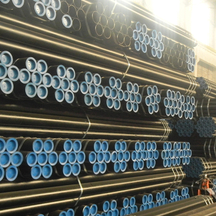
API 5L and ASTM A106 are two common carbon steel pipe standards for different uses. API 5L is mainly for line pipe that transports oil, natural gas, and other fluids over long distances. It covers seamless and welded pipe, includes grades such as Grade B, X42 to X70, and defines PSL requirements for manufacturing, testing, and quality control. ASTM A106 is mainly for seamless carbon steel pipe in high-temperature service. It is widely used in refineries, petrochemical plants, power stations, and industrial process piping. Grades A, B, and C are included, with Grade B commonly selected. API 5L focuses on fluid transportation, while ASTM A106 focuses on high-temperature process piping. They are not directly interchangeable. Proper selection should consider temperature, pressure, fluid type, welding, inspection, and project specifications.
What Is API 5L Steel Pipe?
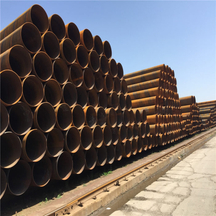
API 5L is a line pipe specification published by the American Petroleum Institute (API). It covers seamless and welded steel pipe for transporting oil, natural gas, and other fluids in pipeline systems.
The standard defines requirements for manufacturing, chemical composition, mechanical properties, testing, dimensions, and quality. It is widely used in onshore and offshore pipeline projects.
Key Features
Pipe types: Seamless and welded
Common grades: Grade B, X42, X52, X60, X65, X70, X80
Product Specification Levels: PSL1 (standard) and PSL2 (more stringent)
Typical applications: Crude oil, natural gas, refined products, water transmission
Coatings: FBE, 3LPE (depending on environment)
Higher X-grade numbers generally indicate higher minimum yield strength.
API 5L vs. ASTM A106
Item | API 5L | ASTM A106 |
|---|---|---|
Primary use | Line pipe for fluid transportation | Seamless process piping |
Typical service | Long-distance pipelines | High-temperature service |
Focus | Material consistency, inspection, traceability | Process piping performance |
What to Check When Buying
Factor | Details |
|---|---|
Pipe type | Seamless or welded |
Dimensions | Outside diameter, wall thickness |
PSL | PSL1 or PSL2 |
Manufacturing | Process and end finish |
Testing | Required tests and supplementary requirements |
Documentation | Mill test certificates, traceability records |
What Is ASTM A106 Steel Pipe?
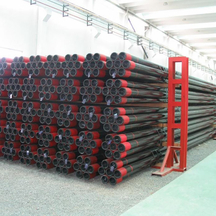
ASTM A106 is a specification for seamless carbon steel pipe used in high-temperature service. It is widely used in industrial piping systems that must withstand elevated temperatures and pressures, such as refineries, petrochemical plants, power-generation facilities, boilers, steam systems, and process piping.
Unlike API 5L, which focuses on line pipe for fluid transportation, ASTM A106 focuses on seamless pipe performance in demanding process environments. Its seamless construction has no longitudinal weld seam, making it suitable for many high-pressure and high-temperature applications.
Key Features
Pipe type: Seamless carbon steel
Grades: Grade A, Grade B, Grade C
Most common grade: Grade B for general industrial process piping
Typical applications: Steam piping, boilers, refinery and petrochemical process lines, heat-transfer systems
Controlled properties: Chemical composition, tensile and yield strength, dimensions, hydrostatic testing, inspection
ASTM A106 Grades
Grade | Typical Use |
|---|---|
Grade A | Lower-strength applications |
Grade B | General industrial process piping |
Grade C | Higher-strength requirements |
Grade selection depends on required strength, operating conditions, piping code, and project specifications.
What to Check When Buying
Factor | Details |
|---|---|
Grade | A, B, or C |
Dimensions | Schedule, nominal pipe size, wall thickness, length |
End finish | As required by project |
Heat treatment | Per specification |
Testing | Hydrostatic and other required tests |
Documentation | Mill test certificates, traceability records |
Wall thickness must suit design pressure, temperature, corrosion allowance, and the applicable engineering code.
ASTM A106 vs. API 5L
Item | ASTM A106 | API 5L |
|---|---|---|
Primary use | Seamless pipe for high-temperature service | Line pipe for pipeline transportation |
Typical service | Process piping, boilers, steam systems | Oil and gas transmission pipelines |
Construction | Seamless | Seamless and welded |
Key Differences Between API 5L and ASTM A106
API 5L and ASTM A106 are both important carbon steel pipe specifications, but they serve different purposes. Understanding their differences helps engineers and buyers choose the right pipe for pipeline transportation or industrial process systems.
Quick Comparison
Factor | API 5L | ASTM A106 |
|---|---|---|
Primary use | Line pipe for fluid transportation | Seamless pipe for high-temperature service |
Typical applications | Long-distance pipelines, gathering systems | Refineries, boilers, steam and process piping |
Pipe types | Seamless and welded | Seamless only |
Common grades | Grade B, X42, X52, X60, X65, X70, X80 | Grade A, Grade B, Grade C |
Specification levels | PSL1 and PSL2 | Grades A, B, C |
Key focus | Pipeline operating conditions, weldability, traceability | Temperature, pressure, process-fluid service |
Primary Application
The biggest difference is intended use. API 5L is a line pipe specification for transporting oil, natural gas, and other fluids through pipelines. ASTM A106 is a seamless carbon steel pipe specification for high-temperature service in process piping systems.
Application should always be considered before comparing individual grades.
Grades and Mechanical Requirements
API 5L grades include Grade B and X-grades such as X42, X52, X60, X65, X70, and X80. Higher X-grade numbers generally indicate higher specified minimum yield strength.
ASTM A106 covers Grades A, B, and C, with Grade B commonly used for industrial piping.
Note: API 5L Grade B and ASTM A106 Grade B are not equivalent materials, even though both use the “Grade B” designation. Their specifications, testing, and applications differ.
Manufacturing and Pipe Types
Item | API 5L | ASTM A106 |
|---|---|---|
Seamless | Yes | Yes |
Welded | Yes | No |
API 5L offers flexibility for different pipeline designs and sizes. ASTM A106 is seamless only, which suits many high-pressure and high-temperature applications.
Chemical, Mechanical, and Testing Requirements
Both specifications set requirements for chemical composition and mechanical performance, but limits and testing provisions differ.
API 5L: PSL1 covers basic requirements; PSL2 adds stricter controls and testing.
ASTM A106: Focuses on seamless pipe for high-temperature service, with specified chemical, mechanical, and testing requirements.
Purchasers may specify additional inspection or testing based on project needs.
Pipeline vs. Process Piping
Item | API 5L | ASTM A106 |
|---|---|---|
System type | Pipeline transportation | Process piping |
Key considerations | Grade, weldability, traceability, operating conditions | Temperature, pressure, thermal conditions, process fluid |
The applicable piping design code and project specification determine whether a selected pipe is acceptable.
How to Select
Do not choose based only on higher strength values. Consider:
Application
Design pressure and operating temperature
Fluid characteristics
Pipe size and manufacturing method
Applicable code and testing requirements
Project specification
In general, API 5L suits line pipe and pipeline transportation projects, while ASTM A106 suits seamless high-temperature process piping. Final selection should always follow the engineering specification and design code.
API 5L vs ASTM A106: Which Pipe Should You Choose?
Choosing between API 5L and ASTM A106 should start with the application and service conditions, not just strength or price. Both are widely used carbon steel pipe specifications, but their intended uses and technical requirements differ.
Quick Selection Guide
Application | Recommended Specification |
|---|---|
Oil and gas transmission pipelines | API 5L |
Gathering and long-distance lines | API 5L |
Refinery and petrochemical process piping | ASTM A106 |
Boiler, steam, and high-temperature service | ASTM A106 |
Choose API 5L for Pipeline Transportation
API 5L is mainly used for line pipe transporting oil, natural gas, and other fluids. It suits gathering lines, transmission pipelines, and long-distance fluid transportation.
Grades: Grade B and X grades such as X42, X52, X60, X65, X70
Pipe types: Seamless and welded
Specification levels: PSL1 (basic) and PSL2 (stricter requirements)
Confirm the required grade and PSL before ordering.
Choose ASTM A106 for High-Temperature Process Piping
ASTM A106 is commonly used for seamless carbon steel process pipe in high-temperature service.
Grades: A, B, and C (Grade B most common)
Pipe type: Seamless
Typical applications: Refineries, petrochemical plants, power plants, steam systems
For process piping, temperature and pressure are key. Wall thickness, corrosion allowance, dimensions, and the piping design code must all be considered.
Consider Operating Conditions
Before selecting either specification, evaluate:
Factor | Why It Matters |
|---|---|
Design pressure | Determines wall thickness and grade |
Operating temperature | Key for ASTM A106 service |
Fluid characteristics | Affects material and corrosion control |
Pipe diameter and wall thickness | Must match design and code |
Corrosion conditions | May require coating or allowance |
Installation environment | Onshore, offshore, or plant site |
For example, a long-distance natural gas pipeline may call for API 5L line pipe, while a refinery steam line may require seamless ASTM A106 pipe.
Check Codes and Project Specifications
A pipe meeting one specification does not automatically meet another. Before ordering, confirm:
Required standard and grade
Manufacturing process
Testing and inspection requirements
Dimensions and end finish
Documentation and traceability
Always review material certificates to verify compliance.
Do Not Select Based Only on Price
The lowest purchase price is not always the best choice. Manufacturing method, grade, testing, coating, inspection, transportation, and service requirements all affect total project cost.
Summary
Specification | Best For |
|---|---|
API 5L | Line pipe and pipeline transportation |
ASTM A106 | Seamless process piping and high-temperature service |
Application Comparison: Line Pipe vs Process Pipe
The difference between line pipe and process pipe comes down to where the pipe is used, what fluid it carries, and the operating conditions it must withstand. API 5L is mainly associated with line pipe, while ASTM A106 is commonly used for seamless process piping. Final selection should always follow the applicable design code and project specification.
Line Pipe vs Process Pipe at a Glance
Factor | Line Pipe (API 5L) | Process Pipe (ASTM A106) |
|---|---|---|
Primary function | Transport oil, gas, and fluids over distance | Carry process fluids within a facility |
Typical location | Gathering lines, transmission pipelines | Refineries, petrochemical plants, power plants |
Common grades | Grade B, X42, X52, X60, X65, X70 | Grade A, Grade B, Grade C |
Pipe types | Seamless and welded | Seamless |
Key design factors | Pressure, fluid composition, corrosion, pipeline code | Temperature, pressure, thermal cycling, piping code |
Oil and Gas Transmission Pipelines
API 5L is widely used for oil and natural gas transportation pipelines. These lines can run long distances and connect production fields, processing facilities, storage terminals, and distribution networks.
Grade, PSL level, wall thickness, and manufacturing method should be set by the pipeline design.
Natural Gas and Crude Oil Pipelines
Natural gas and crude oil pipelines are typical API 5L applications. Operators may require controlled chemical composition, mechanical properties, testing, and traceability.
Selection must also consider pressure, temperature, fluid composition, corrosion, installation method, and the pipeline code. Coatings or corrosion protection may be needed depending on the environment.
Refinery and Petrochemical Process Piping
ASTM A106 is common in refineries, petrochemical plants, and industrial process facilities. These systems carry steam, hydrocarbons, chemicals, and other process fluids between equipment and units.
Because ASTM A106 is a seamless carbon steel pipe for high-temperature service, it is often chosen where elevated temperature and pressure are key design factors.
Steam and High-Temperature Systems
Steam lines and high-temperature piping require careful review of temperature, pressure, wall thickness, and material properties. ASTM A106 is commonly specified when its requirements match the design code.
Process piping may see temperature swings, thermal expansion, and repeated operating cycles. Evaluate the full operating range, not just normal temperature.
Power Generation and Industrial Facilities
Facility Area | Likely Specification |
|---|---|
Fluid transportation systems | API 5L |
Process, steam, or high-temperature piping | ASTM A106 |
The same facility can use different pipe specifications in different parts of the network. Match the material to each system's function.
How to Distinguish Line Pipe from Process Pipe
Start by identifying the purpose of the piping system:
Transporting oil, gas, or fluids through a pipeline network → consider API 5L
High-temperature process or steam service inside a facility → consider ASTM A106
Application alone is not enough. Also check design pressure, temperature, fluid characteristics, dimensions, corrosion allowance, welding requirements, applicable code, and purchaser specifications.
Our Recommended API 5L and ASTM A106 Steel Pipe Products and Global Shipping Services
We supply API 5L line pipe and ASTM A106 seamless carbon steel pipe for pipeline, refinery, petrochemical, and power-generation projects. API 5L options include Grade B, X42, X52, X60, X65, and X70, with PSL1 or PSL2, seamless or welded configurations, and optional anti-corrosion coating. ASTM A106 Grade A, B, and C seamless pipes suit high-temperature process piping in refineries, power plants, and steam systems. Products are inspected for chemical composition, mechanical properties, dimensions, and hydrostatic performance, with material test certificates provided. We also offer global shipping, export packing, and full export documentation. Confirm your standard, grade, size, quantity, and service conditions for accurate product selection and international delivery.
Conclusion:
API 5L and ASTM A106 are important carbon steel pipe standards for different piping applications. API 5L is designed for line pipe and fluid transport and is widely used in oil and natural gas pipeline networks, covering grades such as Grade B and X42 to X70, with PSL options. ASTM A106 covers seamless carbon steel pipe for high-temperature service, commonly used in refineries, petrochemical plants, power stations, and steam systems, with Grades A, B, and C available. The two standards are not interchangeable: their scope, manufacturing, testing, and intended uses differ, so API 5L Grade B and ASTM A106 Grade B are not equivalent. Proper selection should be based on the piping system function, operating temperature, pressure, fluid characteristics, dimensions, welding and inspection requirements, and project specifications. Matching the pipe to actual service conditions avoids substitution issues and project delays.
FAQ:
1. Is API 5L the same as ASTM A106?
No. API 5L is mainly for line pipe and pipeline transportation, while ASTM A106 is mainly for seamless carbon steel process pipe in high-temperature service.
2. Can ASTM A106 be used for pipelines?
It may be used only when permitted by the applicable design code and project specifications.
3. Is API 5L Grade B equivalent to ASTM A106 Grade B?
No. Although both use “Grade B,” they have different specifications, requirements, and intended applications.
4. Which is better for high-temperature process piping?
ASTM A106 is commonly specified for seamless high-temperature process piping, subject to the project's engineering requirements.
About Us / News / Product / Project / Quality Assurance / Service / Contact Us