Views: 0 Author: Site Editor Publish Time: 2026-10-23 Origin: Site
ERW and LSAW steel pipes are widely used in oil and gas transportation, water supply, construction, and infrastructure, but their manufacturing methods, dimensional ranges, costs, and applications differ. ERW pipes are formed from steel strip or coil and welded by electrical resistance, supporting efficient production and consistent dimensions for suitable sizes. LSAW pipes are formed from steel plate and welded by submerged arc welding, often through UOE or JCOE processes, making them suitable for many large-diameter and heavy-wall pipeline projects. Selection should consider pipe diameter, wall thickness, steel grade, design pressure, external loads, service environment, cost, delivery schedule, and quality assurance. Both processes require dimensional checks, mechanical testing, and weld inspection according to applicable standards.
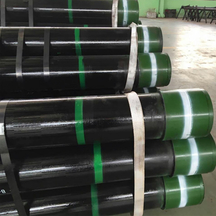
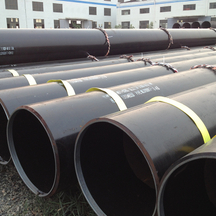
ERW and LSAW steel pipes are two common types of welded steel pipes used in industrial pipelines, infrastructure, water transmission, and structural engineering. Both feature a longitudinal weld seam, but they use different raw materials, forming methods, and welding processes. Understanding these differences helps engineers and procurement teams select suitable pipes.
Quick Comparison: ERW vs. LSAW
Feature | ERW Steel Pipe | LSAW Steel Pipe |
|---|---|---|
Full name | Electric Resistance Welded | Longitudinal Submerged Arc Welded |
Raw material | Steel strip or coil | Steel plate |
Welding method | Electrical resistance generates heat to join edges | Electric arc beneath granular flux (submerged arc welding) |
Forming methods | Continuous forming into a cylindrical shape | UOE (U-forming, O-forming, expansion) or JCOE (incremental forming) |
Typical applications | Water supply, building structures, industrial fluid transport, fencing, selected oil/gas | Large-diameter oil/gas transmission, municipal water, industrial pipelines, offshore |
Key advantage | Efficient production for suitable dimensions and order volumes | Accommodates large diameters and heavy wall thicknesses |
Quality depends on | Steel grade, wall thickness, welding controls, inspection, standards | Quality assurance, weld inspection, mechanical testing, standard compliance |
What Is ERW Steel Pipe?
ERW stands for Electric Resistance Welded. Manufactured from steel strip or coil—the steel is continuously formed into a cylindrical shape, bringing edges together. Electrical resistance generates heat to join edges, producing a longitudinal weld seam without conventional filler metal.
After welding: seam treatment, sizing, cooling, and other finishing operations. Additional heat treatment and inspection may be required depending on specification.
Common applications:
Water supply and distribution systems
Building structures and mechanical engineering
Industrial fluid transportation
Selected oil and gas pipeline applications
Fencing, frameworks, and general structural projects
Key advantage: Efficient production for suitable pipe dimensions and order volumes; consistent dimensional accuracy; supports large-scale production.
Actual quality and performance depend on steel grade, wall thickness, welding controls, inspection procedures, and applicable standards.
What Is LSAW Steel Pipe?
LSAW stands for Longitudinal Submerged Arc Welded. Generally produced from steel plates rather than continuous coils. The plate is formed into a cylindrical shape, and longitudinal edges are joined using submerged arc welding—an electric arc beneath a layer of granular flux creates the weld.
Common forming methods:
UOE — U-forming, O-forming, and expansion
JCOE — incremental forming before welding and expansion
Typical applications:
Large-diameter oil and gas transmission pipelines
Municipal water transmission systems
Industrial pipelines and infrastructure
Offshore and other demanding engineering projects
LSAW production accommodates many large-diameter and heavy-wall specifications—actual dimensional range depends on the manufacturing facility. Quality assurance, weld inspection, mechanical testing, and standard compliance remain essential.
Key Difference Between ERW and LSAW
The primary difference lies in manufacturing processes and typical product ranges:
Aspect | ERW | LSAW |
|---|---|---|
Raw material | Steel strip or coil | Steel plate |
Welding | Electrical resistance welding | Submerged arc welding |
Typical product range | Small to medium diameters | Large diameters and heavy walls |
Neither process is automatically superior for every application. The correct choice depends on:
Required diameter and wall thickness
Steel grade
Operating conditions
Applicable standards
Inspection requirements
Budget and delivery schedule
ERW and LSAW steel pipes differ in raw materials, forming methods, welding technology, dimensional capabilities, and quality control requirements. These differences influence production efficiency, procurement costs, and suitability for engineering projects.
Comparison Table: ERW vs. LSAW Manufacturing
Factor | ERW Steel Pipe | LSAW Steel Pipe |
|---|---|---|
Raw material | Steel strip or coil | Steel plate |
Forming | Continuous forming into cylindrical shape | UOE or JCOE forming |
Welding method | Electrical resistance—edges joined under pressure, typically without filler metal | Submerged arc welding—electric arc beneath granular flux, generally with filler wire |
Welding position | Longitudinal seam | May be welded from inside and outside |
Typical diameter range | Small to medium (varies by mill) | Large diameter and heavy wall |
Common applications | Structural, water systems, pipelines within qualified requirements | Major transmission pipelines, large-scale water infrastructure |
Production efficiency | Efficient for suitable dimensions and high volumes | Plate-based production for large/heavy-wall specifications |
1. Raw Materials and Pipe Forming
ERW — manufactured from steel strip or coil. Material passes through forming equipment that gradually shapes it into a cylindrical tube. Edges are brought together for resistance welding. Continuous production suitable for many standard pipe sizes and high-volume orders.
LSAW — manufactured from steel plates. The plate is formed into a cylindrical shape using UOE or JCOE before the longitudinal seam is welded. Plate-based production allows many large-diameter and heavy-wall specifications.
The choice of raw material affects production planning, material utilization, and available dimensions. Actual size range depends on the manufacturer's equipment and capabilities.
2. Welding Technology and Weld Characteristics
Aspect | ERW | LSAW |
|---|---|---|
Heat source | Electrical resistance at edges | Electric arc beneath granular flux |
Filler metal | Typically not required | Generally used (filler wire) |
Welding position | Longitudinal seam | May be welded from inside and outside |
Key control | Heating, pressure, welding parameters | Process control, flux, filler wire |
Neither welding method guarantees better performance by itself. Weld quality depends on material condition, process control, operator or system performance, and inspection. Both processes require appropriate testing to verify compliance.
3. Diameter and Wall Thickness
Pipe Type | Typical Range | Common Applications |
|---|---|---|
ERW | Small to medium diameter (varies by mill) | Structural applications, water systems, pipelines within qualified dimensional/pressure requirements |
LSAW | Large diameter and heavy wall | Major transmission pipelines, large-scale water infrastructure |
Confirm the manufacturer's qualified diameter and wall-thickness range before ordering. Actual suitability must also account for steel grade, design pressure, external loads, and operating conditions.
4. Inspection, Testing, and Quality Assurance
Quality control is essential for both ERW and LSAW pipes. Requirements depend on applicable standards, service conditions, and project specifications.
Quality Check | Purpose |
|---|---|
Dimensional inspection | Verifies OD, wall thickness, length, straightness, tolerances |
Mechanical testing | Evaluates tensile strength and, where specified, impact toughness |
Weld inspection | NDT methods to assess weld integrity |
Hydrostatic testing | Checks pressure integrity when required |
Documentation review | Confirms material certificates, inspection records, and purchase order compliance |
Selecting between ERW and LSAW steel pipes affects engineering performance, procurement costs, construction schedules, installation efficiency, and long-term reliability. Although both are welded steel pipes, their manufacturing processes and typical dimensional ranges make them suitable for different project requirements.
Choosing the right option requires evaluating the complete project—not comparing manufacturing methods alone.
Selection Impact Overview
Factor | ERW Steel Pipe | LSAW Steel Pipe |
|---|---|---|
Structural performance | Meets demanding requirements when manufactured and tested to specifications | Frequently considered for large-diameter, heavy-wall, high-pressure pipelines |
Procurement cost | May offer cost advantage for suitable dimensions and large volumes | May be economical for certain large-diameter/heavy-wall requirements |
Production efficiency | Continuous production for many standard dimensions; efficient for large orders | Requires plate preparation, forming, welding, finishing; schedule depends on size, volume, equipment |
Installation | Convenient for standard sizes and repeatable procedures | Appropriate for large-scale transmission systems requiring larger diameters |
Long-term reliability | Requires appropriate material, weld quality, corrosion protection, inspection | Requires appropriate material, weld quality, corrosion protection, inspection |
1. Structural Performance and Pressure Requirements
Pipe performance depends on steel grade, OD, wall thickness, weld integrity, manufacturing quality, and operating conditions.
Pipe Type | Performance Consideration |
|---|---|
ERW | Can meet demanding structural and pipeline requirements when manufactured and tested to applicable specifications |
LSAW | Frequently considered for large-diameter, heavy-wall, and high-pressure pipeline applications |
LSAW pipes are not automatically stronger or safer than ERW pipes. Engineers must verify:
Required mechanical properties
Design pressure and temperature
External loads and corrosion allowance
Relevant design codes
For critical pipeline projects: the specified manufacturing standard and inspection requirements should guide selection.
2. Procurement Costs and Project Budget
Manufacturing process influences raw material costs, production expenses, inspection costs, and final purchasing prices.
Pipe Type | Cost Consideration |
|---|---|
ERW | May offer cost advantage for suitable dimensions and larger production volumes—highly efficient process |
LSAW | May be more economical for certain large-diameter/heavy-wall requirements; final cost depends on plate prices, dimensions, welding, testing, quantity, and capacity |
Compare quotations for pipes with equivalent steel grades, dimensions, tolerances, standards, and inspection requirements. The lowest purchase price does not always represent the lowest total project cost—consider transportation, installation, maintenance, and potential replacement expenses.
3. Production Efficiency and Delivery Schedule
Pipe Type | Production Consideration |
|---|---|
ERW | Continuous production for many standard dimensions; efficient processing of large orders within production capabilities |
LSAW | Requires plate preparation, forming, longitudinal welding, finishing; schedule depends on size, wall thickness, order volume, equipment availability, testing requirements |
Confirm before finalizing procurement: production capacity, material availability, inspection schedules, and shipping arrangements. Early confirmation reduces delay risk affecting construction milestones.
4. Installation and Construction Efficiency
Pipe dimensions and weight influence transportation, lifting, alignment, welding, and connection work.
Pipe Type | Installation Consideration |
|---|---|
ERW | Convenient for projects using standard sizes and repeatable installation procedures |
LSAW | Appropriate for large-scale transmission systems where larger diameters help meet flow requirements |
Consider: pipe length, joint design, coating, handling equipment, site access, and field-welding procedures. Proper dimensional consistency and documented quality reduce installation problems and rework.
5. Long-Term Reliability and Maintenance
The selected pipe must withstand its intended operating environment throughout service life. Factors affecting long-term performance:
Internal pressure
Temperature changes
External loads
Corrosion
Fluid characteristics
Both ERW and LSAW require: appropriate material selection, weld quality assurance, corrosion protection, and inspection. Maintenance planning should reflect operating conditions and applicable safety requirements.
Choosing between ERW and LSAW steel pipes depends on required diameter, wall thickness, operating pressure, steel grade, applicable standards, and budget. Neither process is universally better.
ERW — often suitable for efficient production and consistent dimensions
LSAW — frequently selected for large-diameter and heavy-wall requirements
Evaluate actual pipe specifications and service conditions before deciding.
Quick Comparison
Factor | ERW Steel Pipe | LSAW Steel Pipe |
|---|---|---|
Raw material | Usually steel strip or coil | Usually steel plate |
Welding process | Electrical resistance welding | Submerged arc welding |
Production advantage | Efficient for suitable sizes and volumes | Suitable for many large-diameter and heavy-wall specifications |
Common applications | Structural frameworks, distribution systems, selected pipelines | Large transmission pipelines, water infrastructure, heavy-wall applications |
Cost | May be economical for suitable dimensions and quantities | May be cost-effective for particular large-diameter/heavy-wall requirements |
Quality requirements | Per applicable standard and project specification | Per applicable standard and project specification |
1. Oil and Gas Transportation
Both can be used when they meet applicable standards and project requirements.
Pipe Type | Suitable For |
|---|---|
ERW | Certain onshore pipelines and distribution systems within manufacturer's qualified capabilities; efficient production for suitable sizes in large quantities |
LSAW | Large-diameter transmission pipelines and projects requiring substantial wall thicknesses; accommodates many long-distance transportation specifications |
Verify compliance with specified edition and grade of standards such as API 5L, along with weld inspection, mechanical testing, and project-specific requirements. Operating pressure and diameter alone should not determine selection.
2. Water Transmission and Municipal Infrastructure
Pipe Type | Suitable For |
|---|---|
ERW | Distribution networks and applications within qualified size and pressure ranges |
LSAW | Large-diameter water transmission systems—accommodates many large-bore specifications |
Final choice also depends on flow requirements, wall thickness, joining methods, corrosion protection, and installation conditions.
For buried pipelines: external corrosion protection and soil conditions are important.
For drinking-water systems: internal lining or coating must meet potable-water requirements.
3. Structural Engineering and Building Construction
Pipe Type | Suitable For |
|---|---|
ERW | Building frameworks, support columns, equipment frames, general construction—where standardized dimensions, consistency, and efficient procurement are priorities |
LSAW | Large structural members or specialized projects requiring larger diameters or heavier walls |
Structural suitability must be verified against design loads, steel grade, section properties, connection details, and applicable structural codes. Manufacturing process alone does not establish suitability.
4. Offshore and Heavy-Wall Applications
Offshore and demanding projects may involve high external loads, cyclic stresses, low temperatures, corrosive environments, or stringent inspection requirements.
Pipe Type | Consideration |
|---|---|
LSAW | Frequently considered for large-diameter and heavy-wall pipeline specifications |
ERW | May also be suitable for selected applications if dimensions, material properties, manufacturing controls, and qualification records satisfy design requirements |
For critical service, the project specification should define:
Material traceability
Weld inspection
Nondestructive testing
Impact testing where required
Additional qualification requirements
Selecting the right ERW or LSAW steel pipe requires balancing engineering requirements, manufacturing capabilities, procurement costs, and delivery schedules. Neither process suits every application. A systematic selection process helps ensure the chosen pipe meets project specifications and provides reliable performance throughout service life.
Selection Checklist at a Glance
Step | What to Confirm |
|---|---|
1. Dimensions | Outside diameter, wall thickness, length, tolerances; supplier's available range |
2. Steel grade | Strength, toughness, weldability; applicable standards (API 5L, structural standards) |
3. Operating conditions | Pressure, temperature, external loads, corrosion exposure, service medium |
4. Standards & QA | Product standard, inspection scope, material certificates, testing |
5. Total project cost | Purchase price, transportation, installation, maintenance, service life |
6. Supplier capability | Production capability, lead time, documentation, delivery schedule |
1. Confirm Pipe Diameter and Wall Thickness
Start by identifying: outside diameter, nominal wall thickness, pipe length, and dimensional tolerances.
Pipe Type | Typical Dimensional Range |
|---|---|
ERW | Commonly used for many standard sizes |
LSAW | Frequently selected for large-diameter and heavy-wall applications |
Available range depends on manufacturer's production equipment. Confirm the supplier can manufacture or supply the exact dimensions required before requesting a quotation.
2. Select the Appropriate Steel Grade
Steel grade affects strength, toughness, weldability, and suitability for different operating conditions.
Application | Typical Standard |
|---|---|
Pipeline projects | Particular API 5L grades |
Structural projects | Relevant structural steel standards |
Do not assume ERW or LSAW pipes automatically offer superior mechanical performance. Compare specified material properties and verify compliance through documentation and testing.
3. Evaluate Operating Conditions and Safety Requirements
Factor | What to Consider |
|---|---|
Operating pressure | Meets design pressure and applicable code requirements |
Temperature | Required strength and toughness at expected operating temperature |
External loads | Soil pressure, traffic loads, bending, vibration, mechanical stresses |
Corrosion exposure | Internal linings, external coatings, or other corrosion-control measures |
Service medium | Characteristics of transported fluid/gas and project-specific safety requirements |
For critical applications: the pipe specification should clearly define required manufacturing process, inspection scope, testing, and acceptance criteria.
4. Check Standards and Quality Assurance
Confirm which product standard and specification apply. Requirements may cover:
Steel chemistry and mechanical properties
Dimensional tolerances
Weld quality
Nondestructive testing
Hydrostatic testing
Material traceability
Both ERW and LSAW require appropriate quality controls. Ask suppliers to confirm:
Applicable standard
Material certificates and inspection records
Whether additional project-specific testing is required
5. Compare Total Project Costs
Purchase price is only one part of overall cost.
Cost Factor | Consideration |
|---|---|
Purchase price | Compare quotations for equivalent grades, dimensions, standards, coatings, inspection, and delivery terms |
ERW economics | May be economical for suitable dimensions and production volumes |
LSAW economics | May be practical for large-diameter or heavy-wall specifications |
Other costs | Transportation, handling, installation, maintenance, expected service life |
Evaluate total project cost—not unit price alone.
6. Confirm Supplier Capability and Delivery Schedule
Before placing an order, verify the supplier's ability to meet:
Required specifications
Quantity
Documentation
Delivery date
Confirm: product availability, manufacturing lead time, inspection arrangements, packaging, and shipping plans.
For international procurement, clarify:
Destination port
Shipping terms
Required export documents
Expected logistics schedule
Early coordination reduces procurement delays and construction interruptions.
Supplies ERW and LSAW steel pipes for oil and gas, water transmission, construction, and infrastructure projects. ERW pipes suit applications requiring efficient production, consistent dimensions, and competitive cost performance, while LSAW pipes are suitable for many large-diameter and heavy-wall pipeline requirements. Buyers should confirm outside diameter, wall thickness, length, steel grade, applicable standards, weld inspection, surface protection, and intended service conditions before ordering. For critical pipelines, additional requirements may include impact testing, nondestructive examination, hydrostatic testing, and full material traceability. We support technical inquiries and can discuss product specifications based on drawings, data sheets, quantities, standards, and inspection needs. Available documentation includes material test certificates, dimensional inspection records, and required testing reports. For export orders, we coordinate bundling, end protection, surface protection, loading arrangements, destination port, Incoterms, commercial invoices, packing lists, production readiness, and estimated transit times. Confirming technical requirements, quality documentation, availability, and shipping terms before ordering helps improve procurement efficiency and reduce project risks.
Choosing between ERW and LSAW steel pipes depends on project requirements rather than a single “better” process. ERW pipes often suit applications needing efficient production, consistent dimensions, and cost-effective solutions within the qualified size range, including structural, water distribution, and selected pipeline uses. LSAW pipes are frequently considered for large-diameter, heavy-wall pipeline and infrastructure projects. Buyers should confirm diameter, wall thickness, steel grade, length, dimensional tolerances, design pressure, temperature, external loads, corrosion exposure, applicable standards, weld inspection, mechanical testing, and material documentation. Total project cost should include material price, manufacturing, transportation, installation, maintenance, and lifecycle expenses. Production capability, product availability, inspection arrangements, and delivery schedules must also be verified. For international procurement, packaging, export documentation, shipping terms, and expected transit time should be agreed in advance.
FAQ:
FAQ 1: What is the main difference between ERW and LSAW steel pipes?
ERW pipes are produced by electrical resistance welding of formed steel strip or coil, while LSAW pipes are manufactured from formed steel plate using submerged arc welding along a longitudinal seam.
FAQ 2: Is LSAW steel pipe stronger than ERW steel pipe?
Not automatically. Strength depends on the steel grade, dimensions, wall thickness, manufacturing quality, weld integrity, and applicable specifications rather than welding method alone.
FAQ 3: Which is more cost-effective, ERW or LSAW steel pipe?
ERW may be more economical for suitable sizes and production volumes, while LSAW may be appropriate for large-diameter or heavy-wall requirements. Compare equivalent specifications and total project costs.
FAQ 4: Are ERW steel pipes suitable for oil and gas pipelines?
Yes, ERW pipes can be used in qualifying oil and gas pipeline applications when their dimensions, grade, manufacturing quality, and testing meet the applicable standards and project requirements.
FAQ 5: How do I choose between ERW and LSAW for a large-diameter pipeline?
Evaluate required diameter, wall thickness, design pressure, steel grade, manufacturing capability, inspection requirements, cost, and delivery schedule. Confirm that the proposed pipe meets the project's design and qualification requirements.
About Us / News / Product / Project / Quality Assurance / Service / Contact Us