Views: 0 Author: Site Editor Publish Time: 2026-07-27 Origin: Site
Pipe coatings protect pipelines from corrosion, abrasion, and environmental damage—extending service life and reducing maintenance costs. Coatings are divided into two main categories:
Internal Coatings: Protect the inner pipe surface from corrosion, scaling, and chemical attack; reduce friction to improve flow efficiency. Common types include epoxy linings.
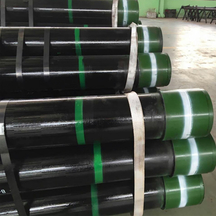
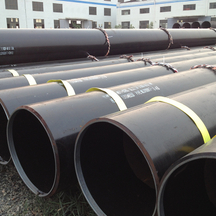
External Coatings: Create a barrier against soil moisture, seawater, UV radiation, impact, and weather—preventing external corrosion. Common types include FBE, 3LPE, 3LPP, and polyurethane.
In most applications, both coating systems work together for complete protection. The right choice depends on fluid type, installation environment, temperature, pressure, and industry requirements.
Modern coating technologies—FBE, 3LPE, 3LPP, epoxy, and polyurethane—serve oil and gas, water treatment, chemical, mining, and municipal infrastructure projects.
Internal and External Pipe Coatings
Pipe coatings protect pipelines from corrosion, wear, and environmental damage—classified as internal or external based on application location. Both are essential for reliability and long service life.
(1)Internal Pipe Coating
Applied to the inner pipe surface to prevent corrosion from transported fluids and reduce friction for improved flow efficiency. Common types include FBE, epoxy linings (water, oil/gas, chemical), polyurethane (abrasion resistance), and cement mortar (large-diameter water pipelines). Used in water treatment, oil/gas, chemical, and power industries.
(2)External Pipe Coating
Protects the outer surface from soil moisture, seawater, UV radiation, impact, and weather. Common systems include FBE, 3LPE (epoxy + adhesive + polyethylene), 3LPP (high-temperature resistance), polyurethane, and bitumen. Used for buried, offshore, cross-country, and industrial pipelines.
Key Difference
Internal coatings focus on flow efficiency and media-side corrosion prevention; external coatings guard against environmental and mechanical damage. Often used together for complete protection—selection depends on location, operating conditions, and service life requirements.
Benefits of Internal Versus External Pipe Coating
Both internal and external coatings offer distinct benefits—and are often used together for complete pipeline protection.
Benefits of Internal Coating
Benefit | Description |
|---|---|
Improved flow efficiency | Smooth surface reduces friction; lowers pumping energy |
Superior corrosion protection | Barrier against water, oil, chemicals, and corrosive media |
Reduced scale buildup | Minimizes deposits; maintains flow capacity |
Longer service life | Slows aging; reduces repair needs |
Product quality protection | Prevents contamination for drinking water, food, and chemical applications |
Benefits of External Coating
Benefit | Description |
|---|---|
Environmental corrosion resistance | Protects against moisture, salts, soil chemicals, and oxygen |
Mechanical protection | Resists impact, scratches, and abrasion during transport and installation |
Weather & UV resistance | Maintains performance in outdoor and exposed environments |
Chemical resistance | Defends against oils and aggressive industrial substances |
Lower maintenance costs | Reduces inspection, repair, and replacement frequency |
Key Takeaway: Internal coatings focus on flow efficiency and media-side protection; external coatings guard against environmental and mechanical damage. For most critical applications—oil/gas, water treatment, chemical, and municipal—using both provides maximum lifespan, efficiency, and long-term value.
How to Choose the Right Pipe Coating
Selecting the right coating is critical for pipeline performance and cost control. The ideal choice depends on operating environment, fluid type, temperature, pressure, and service life. No universal solution exists—evaluate project conditions carefully.
Key Selection Factors:
Factor | Consideration |
|---|---|
Operating environment | Underground: 3LPE or FBE; Offshore: seawater/impact resistance; Above-ground: UV and weather protection |
Transported medium | Water: potable-grade coatings; Oil/gas/chemical: corrosion-resistant linings; Abrasive/slurry: high-wear polyurethane |
Temperature & pressure | 3LPP for high-heat applications; standard systems for normal conditions |
Maintenance & service life | Premium coatings reduce long-term repair and replacement costs |
Industry standards | Compliance ensures quality and safety |
Industry-Specific Needs:
Oil & Gas: Corrosion and pressure resistance
Water/Wastewater: Corrosion protection + water quality
Chemical: Aggressive chemical resistance
Mining: High abrasion resistance
Power Generation: Durability under continuous operation
Key Takeaway: Evaluate operating conditions, fluid properties, and industry requirements. Consult an experienced supplier to select the right internal/external coating system—often both are needed for complete protection. The right choice extends service life, reduces maintenance, and lowers total ownership costs.
Our Pipe Coating Solutions and Global Shipping
We supply high-quality internal and external pipe coatings for oil and gas, water treatment, chemical, mining, power generation, and infrastructure projects—backed by advanced manufacturing, strict quality control, and reliable logistics.
Coating Products:
FBE: Excellent adhesion and corrosion resistance for oil/gas/water pipelines
3LPE: Epoxy + adhesive + polyethylene—ideal for buried pipelines
3LPP: High-temperature applications with superior mechanical strength
Internal Epoxy: Smooth surface improves flow; resists corrosion and scaling
Polyurethane: High abrasion resistance for harsh mechanical conditions
Custom solutions: Tailored to pipe size, operating conditions, and standards
Quality Advantages: Premium raw materials, advanced equipment, compliance with international standards, technical support, and competitive pricing.
Global Shipping: Worldwide delivery via sea, air, rail, and multimodal options. Strong export packaging protects coated pipes during transit. Full documentation, shipment tracking, and responsive customer support ensure smooth delivery.
From selection to delivery, our team provides expert guidance. Choose us for reliable coating solutions, competitive pricing, and dependable global logistics. Contact us today for technical advice or a quotation.
Conclusion
Internal and external pipe coatings are essential for maximizing pipeline longevity and efficiency. While internal coatings enhance flow and prevent corrosion, external coatings shield against environmental damage. Advanced systems like FBE, 3LPE, and 3LPP provide superior protection across diverse industries. Choosing the right coating reduces maintenance, minimizes downtime, and lowers lifecycle costs. Partnering with an experienced supplier ensures compliance with industry standards and optimal performance. We offer customized internal and external pipe coating solutions tailored to your project needs. Contact us today for expert consultation and competitive quotes to protect your pipeline investment.
FAQ:
FAQ 1: Can a pipeline have both internal and external coatings?
Answer the benefits of using both coating systems together for maximum corrosion protection and longer service life.
FAQ 2: Which pipe coating lasts the longest?
Compare common coating materials based on application environment, maintenance, and expected lifespan.
FAQ 3: How do I choose between FBE, 3LPE, and 3LPP coatings?
Explain the key differences, operating temperatures, environmental suitability, and typical applications.
FAQ 4: Are coated pipes suitable for drinking water and food-grade applications?
Discuss coating materials approved for potable water systems and the importance of meeting relevant industry standards.
About Us / News / Product / Project / Quality Assurance / Service / Contact Us