Views: 4 Author: Site Editor Publish Time: 2026-05-22 Origin: Site
Introduction to Seamless Pipes and Seamless Drawn Pipes
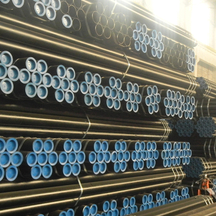
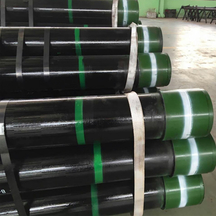
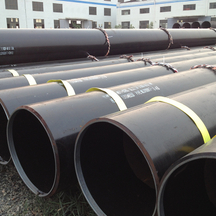
Seamless pipes and seamless drawn pipes are essential for industrial applications requiring high strength and pressure resistance. Standard seamless pipes are manufactured by piercing heated steel billets, offering superior structural integrity without welded seams. They are ideal for heavy-duty uses like oil and gas pipelines and boilers.
In contrast, seamless drawn pipes (cold drawn pipes) undergo further processing at room temperature to achieve tighter dimensional tolerances and smoother surfaces. This precision makes them perfect for hydraulic systems, automotive parts, and machinery. Selecting the right pipe type—whether standard for durability or drawn for precision—is crucial for ensuring operational efficiency and cost-effective industrial performance.
Manufacturing Process Differences: Seamless vs. Drawn Pipes
The core difference between seamless and seamless drawn pipes lies in their production methods. Standard seamless pipes are manufactured through hot rolling. A heated steel billet is pierced and rolled into shape, a highly efficient process ideal for producing large-diameter pipes with excellent structural strength.
In contrast, seamless drawn pipes undergo an additional cold drawing process at room temperature. The hot-rolled pipe is pulled through a die to refine its dimensions. This cold working significantly improves dimensional accuracy, creates a smoother surface finish, and enhances tensile strength through strain hardening. While standard seamless pipes prioritize efficiency and strength, cold-drawn pipes offer the superior precision and surface quality required for high-performance applications.
Material Properties and Performance Comparison
While seamless pipes and cold-drawn pipes share similar base materials, their distinct manufacturing processes lead to significant differences in performance and application suitability.
In terms of mechanical properties, both offer high strength due to the absence of welded seams, making them ideal for high-pressure and high-temperature environments. However, seamless drawn pipes generally exhibit superior tensile strength and hardness. The cold drawing process introduces strain hardening, which refines the steel structure and increases resistance to deformation, ensuring consistent mechanical behavior in precision systems.
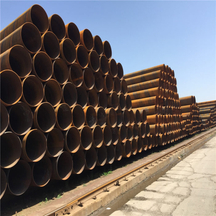
Regarding pressure resistance, standard seamless pipes are engineered for heavy-duty loads, making them the go-to choice for oil and gas transmission, boilers, and structural systems. Their robust hot-rolled structure provides reliable strength for large-scale industrial use, whereas seamless drawn pipes are typically better suited for medium-pressure systems prioritizing stability over extreme load capacity.
The most noticeable difference lies in dimensional accuracy and surface quality. Seamless drawn pipes offer significantly tighter tolerances in outer diameter and wall thickness, along with a smoother, cleaner surface finish that reduces friction and improves sealing. In contrast, standard seamless pipes have wider tolerances and a rougher surface due to hot rolling. Therefore, drawn pipes are essential for hydraulic cylinders, automotive components, and precision machinery where an exact fit is critical.
Industrial Applications: Seamless Pipes vs. Seamless Drawn Pipes
Industry Sector | Seamless Pipes (Heavy-Duty) | Seamless Drawn Pipes (Precision-Driven) |
Oil & Gas / Energy | Long-distance crude oil & gas pipelines, boiler systems, and heat exchangers. | Precision fluid transmission lines and specialized hydraulic circuits. |
Automotive & Aerospace | General structural frameworks and heavy-load chassis components. | Fuel injection systems, brake lines, steering components, and sensor housings. |
Construction & Infrastructure | Load-bearing structures, piling systems, and large-scale infrastructure projects. | High-precision mechanical shafts, rollers, and specialized equipment frameworks. |
Mechanical Engineering | Chemical processing plants require resistance to pressure and temperature. | Hydraulic cylinders, precision control equipment, and high-tolerance machined parts. |
Advantages and Limitations of Seamless Pipes vs. Seamless Drawn Pipes
Pipe Type | Key Advantages | Main Limitations |
Seamless Pipes | High strength & pressure resistance; suitable for large diameters and thick walls; cost-effective for large-scale projects. | Lower dimensional accuracy (wider tolerances); relatively rough surface finish; may require extra machining for precision fits. |
Seamless Drawn Pipes | High precision & tight tolerances; superior smooth surface finish reduces friction; enhanced mechanical strength and hardness. | Higher production cost; limited size range (not ideal for large diameters); less practical for heavy-duty bulk applications. |
Recommended Seamless Pipe Products & Global Shipping
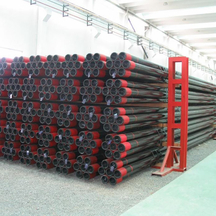
We offer a comprehensive range of high-quality seamless pipes and precision cold-drawn tubes designed for strength and durability. Our product lineup includes carbon steel, alloy steel, and stainless steel seamless pipes, suitable for oil and gas, power plants, and construction. For applications requiring tight tolerances, our seamless drawn precision tubes are ideal for hydraulic and automotive systems. All products are customizable and manufactured in strict compliance with international standards like ASTM, API, and EN.
Backed by extensive export experience, we provide efficient global shipping to North America, Europe, the Middle East, and beyond. Our logistics solutions feature secure packaging and full assistance with export documentation and customs clearance. By combining premium piping products with reliable international delivery, we help customers complete industrial projects safely, efficiently, and cost-effectively.
Maintenance and Quality Inspection Considerations
Ensuring the long-term performance and safety of seamless and seamless drawn pipes requires rigorous quality inspection and proactive maintenance. The inspection process begins before installation, utilizing methods like ultrasonic testing to detect internal defects and hydrostatic pressure testing to guarantee leak-free performance. For seamless drawn pipes, verifying tight dimensional tolerances (outer diameter and wall thickness) is crucial for precision compatibility, while standard seamless pipes require strict checks on wall thickness consistency and structural integrity.
Proper storage in dry, ventilated environments with protective packaging is essential to prevent corrosion and surface damage before use. Once installed, routine maintenance plays a vital role in system reliability. Operators should regularly inspect connections and welds for leaks, while monitoring vibration and pressure levels in high-stress systems to detect early signs of fatigue. Implementing corrosion control measures, such as protective coatings, and keeping detailed maintenance records further safeguards the system. By adhering to these inspection and maintenance standards, operators can significantly extend pipe lifespan, reduce operational risks, and ensure cost-effective industrial performance.
Conclusion: Choosing the Right Seamless Pipe Solution
Seamless pipes and seamless drawn pipes are both indispensable in modern industry, serving distinct roles based on their manufacturing and performance. Standard seamless pipes, produced via hot rolling, excel in strength and cost-efficiency, making them ideal for heavy-duty sectors like oil and gas, power generation, and structural engineering.
In contrast, seamless drawn pipes undergo cold drawing to achieve superior dimensional accuracy and a smooth surface finish. This precision makes them essential for high-performance applications in hydraulics, automotive manufacturing, and aerospace. While standard pipes prioritize durability for large-scale loads, drawn pipes deliver the exact tolerances required for specialized machinery.
FAQ:
(1) What is the main difference between seamless pipes and seamless drawn pipes?
Manufacturing method comparison
Precision and tolerance differences
(2) Which is better for high-pressure industrial applications?
Pressure resistance comparison
Industry-specific recommendations
(3) Are seamless drawn pipes more expensive?
Production complexity explanation
Long-term value considerations
(4) Which industries commonly use cold drawn seamless pipes?
Automotive, hydraulic, aerospace, and precision engineering applications
About Us / News / Product / Project / Quality Assurance / Service / Contact Us