Views: 0 Author: Site Editor Publish Time: 2026-08-17 Origin: Site
Hot-dip galvanizing is a highly effective method for protecting seamless steel pipes from corrosion. However, some pipes may develop leaks, cracks, or visible holes during or after the process. Understanding the root causes is essential for preventing these failures.
In most cases, the galvanizing process itself does not create new defects. Instead, the high temperatures (around 450°C) and chemical treatments expose or enlarge pre-existing flaws in the steel. Common underlying causes include internal cracks, laminations, inclusions, and residual stresses left over from manufacturing processes like piercing, rolling, or straightening.
Pre-treatment also plays a critical role. While pickling is necessary to remove rust and scale, excessive acid exposure can attack and enlarge existing structural weaknesses. Additionally, improper galvanizing parameters, such as unsuitable temperatures or immersion times, can exacerbate these vulnerabilities.
Why Do Seamless Steel Pipes Leak During Hot-Dip Galvanizing?
Seamless steel pipes are manufactured without a welded seam, but they are not completely free from internal or surface defects. During hot-dip galvanizing, high temperature, chemical treatment, and mechanical handling can reveal weaknesses that were not obvious before processing. Understanding the causes is the first step toward prevention.
Common Causes of Leakage
Cause Category | Specific Issues | How It Leads to Leakage |
|---|---|---|
Internal Defects | Cracks, laminations, inclusions, pinholes | Thermal expansion opens defects; molten zinc enters, creating leaks |
Residual Stress & Cracks | Stress from piercing, rolling, straightening, cutting | Heating increases stress around weak areas, making defects visible |
Improper Pickling | Excessive acid concentration, temperature, or time | Acid enlarges cracks, pits, and defects; poor pickling leaves scale affecting coating |
Improper Galvanizing Conditions | High zinc temperature, long immersion, poor handling | Aggravates existing defects; causes mechanical damage |
Pipe End & Processing Damage | Burrs, deep scratches, dents, cracks from cutting, threading, transport | Weak areas become more serious during cleaning and galvanizing |
Prevention Approach
Stage | Action |
|---|---|
Raw material | Select high-quality seamless pipes |
Inspection | Use NDT (ultrasonic testing) to detect internal defects before galvanizing |
Pickling | Control acid concentration, temperature, and time |
Galvanizing | Maintain stable zinc temperature, immersion time, and handling |
Surface prep | Ensure proper degreasing, rinsing, and fluxing |
Pipe ends | Inspect and repair damage before processing |
Key Takeaway
Leakage during hot-dip galvanizing is usually not caused by a single factor. Material defects, residual stress, improper pickling, unsuitable galvanizing conditions, and mechanical damage can all contribute.
The most effective approach is to identify and control potential defects before pipes enter the zinc bath:
High-quality raw materials
NDT inspection
Controlled surface preparation
Stable galvanizing parameters
This significantly reduces leakage risk and improves the final quality of galvanized seamless steel pipes.
How to Prevent and Solve Leakage Problems
Preventing leakage during hot-dip galvanizing requires control at every stage—from selecting the seamless steel pipe to final inspection. If leakage occurs, the root cause should be identified first, especially when the defect originates from the steel itself.
Prevention & Solution Measures
Stage | Action | Why It Matters |
|---|---|---|
Pipe Selection | Choose high-quality pipes meeting standards; request MTC and inspection reports | Reduces risk of internal defects; NDT (ultrasonic) detects cracks, laminations, inclusions |
Pre-Galvanizing Inspection | Visual inspection for cracks, dents, scratches, pits, damaged ends; NDT for critical applications | Defective pipes are separated before processing; prevents unnecessary costs |
Pickling & Surface Prep | Control degreasing, acid concentration, temperature, time, rinsing, fluxing | Excessive pickling enlarges defects; insufficient pickling leaves scale/contaminants |
Galvanizing Process | Maintain stable zinc temperature, immersion time, withdrawal speed, handling | Avoids prolonged heating; prevents mechanical damage; improves coating uniformity |
Post-Galvanizing Inspection | Check coating appearance, thickness, adhesion, physical damage; perform leak testing or NDT where required | Identifies defects; helps trace root cause |
Root Cause Analysis | Trace defects back to material, pickling, galvanizing, or final inspection | Prevents recurrence; applies correct solution |
Prevention Checklist
Step | Action |
|---|---|
1. Pipe quality | Verify material certificates and NDT reports |
2. Inspection | Separate defective pipes before galvanizing |
3. Pickling control | Monitor acid concentration, temperature, and time |
4. Galvanizing | Keep zinc bath parameters stable |
5. Final check | Inspect coating and test for leaks |
6. Root cause | Investigate and correct the source |
Key Takeaway
The best way to prevent leakage is to use a complete quality-control system:
High-quality pipe selection – starts with reliable material
Pre-galvanizing inspection – catches defects early
Controlled pickling – protects pipe integrity
Stable galvanizing parameters – ensures consistent coating
Final inspection – verifies quality
When a leak occurs, avoid treating only the visible defect. Identifying the root cause allows manufacturers to apply the right solution and prevent recurrence.
Our Seamless Steel Pipe Recommendations and Shipping Information
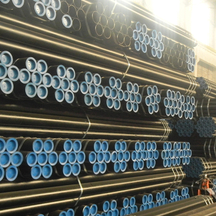
We supply premium seamless steel pipes tailored for hot-dip galvanizing and diverse industrial applications. Our comprehensive range includes various outside diameters, wall thicknesses, and steel grades, manufactured to strict international standards such as ASTM, ASME, API, and EN.
To prevent leakage and ensure product integrity, we prioritize stable chemical compositions, accurate dimensions, and clean surfaces. Our rigorous quality control includes dimensional checks, mechanical testing, and hydrostatic testing. For galvanizing applications, we highly recommend ultrasonic testing (UT) to identify and eliminate internal defects like laminations or cracks before processing. Every order is backed by comprehensive Mill Test Certificates (MTCs) and inspection reports.
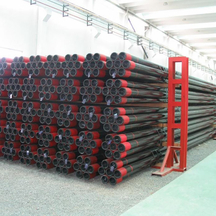
Beyond manufacturing, we provide end-to-end global shipping solutions. We understand that timely delivery is critical. Our logistics team manages secure bundling, protective packaging, export documentation, and container loading to ensure your equipment arrives safely and on schedule.
From technical consultation to final delivery, we provide a complete, reliable supply chain for your seamless steel pipe needs. To receive a customized quotation and efficient shipping plan, please contact us today with your required pipe size, steel grade, applicable standard, quantity, and delivery destination. Our team will recommend the optimal product configuration tailored to your specific project requirements.
Common Mistakes to Avoid When Hot-Dip Galvanizing Seamless Steel Pipe
Hot-dip galvanizing provides effective corrosion protection, but poor material selection or process control can lead to leaks, coating defects, and unnecessary costs. Avoiding these common mistakes improves pipe quality and production efficiency.
Common Mistakes & How to Avoid Them
Mistake | Why It's a Problem | Better Approach |
|---|---|---|
Skipping Pre-Galvanizing Inspection | Internal cracks, laminations, inclusions go undetected | Perform visual inspection; use NDT (ultrasonic) for critical applications |
Using Poor-Quality Seamless Pipes | Inconsistent composition, poor dimensions, internal defects | Choose reliable supplier; request MTC and inspection reports; verify product standards |
Over-Pickling the Pipe | Acid enlarges cracks, pits, and defects | Control concentration, temperature, and treatment time—clean surface without attacking steel |
Poor Control of the Zinc Bath | Excessive heat or unsuitable immersion causes defects and uneven coating | Maintain stable temperature and immersion time; handle pipes carefully |
Ignoring Pipe Ends & Surface Damage | Burrs, scratches, dents, cracks become worse during pickling and galvanizing | Inspect pipe ends; repair or remove damaged sections per specification |
Relying Only on Visual Inspection After Galvanizing | Internal defects may remain undetected | Use coating thickness, adhesion, leak testing, or NDT as needed |
Failing to Analyze Repeated Defects | Same problem recurs; root cause not addressed | Review material, pickling, zinc bath, and handling; take corrective action |
Prevention Checklist
Stage | Action |
|---|---|
Before galvanizing | Inspect pipes; use NDT; verify material quality |
Pickling | Control acid concentration, temperature, time |
Galvanizing | Maintain stable zinc bath; handle pipes carefully |
After galvanizing | Inspect coating; test for leaks; analyze defects |
Key Takeaway
The most effective way to avoid problems is to control quality before, during, and after the process:
Use qualified seamless pipes – verified material and inspection
Inspect for defects – pre-galvanizing NDT and visual checks
Control pickling – avoid over-acid attack
Maintain stable galvanizing – consistent temperature and handling
Perform final inspection – coating checks and leak testing
Analyze defects – correct root causes, not just symptoms
These measures significantly reduce leakage and coating defects while improving the reliability and service life of galvanized seamless steel pipes.
Conclusion
Leakage during hot-dip galvanizing is a critical issue that must be addressed to ensure the long-term performance of seamless steel pipes. High-temperature zinc immersion typically does not create new defects; rather, it exposes pre-existing structural weaknesses, such as internal cracks, laminations, and inclusions. Improper pickling or uncontrolled galvanizing parameters can further exacerbate these vulnerabilities.
Preventing leakage requires a comprehensive quality control strategy spanning the entire manufacturing lifecycle. The foundation selects high-quality raw materials and conducts nondestructive testing, such as ultrasonic testing, to identify internal flaws before processing. Strict control over pre-treatment and stable galvanizing parameters are equally essential. Post-galvanizing inspections should evaluate coating adhesion and thickness, with any defects thoroughly analyzed to identify the root cause and prevent recurrence.
FAQ:
1. Why do seamless steel pipes leak during hot-dip galvanizing?
Leakage is usually caused by pre-existing defects such as cracks, laminations, inclusions, or pinholes. Excessive pickling, residual stress, and improper galvanizing conditions can also enlarge these defects.
2. How can leakage be prevented during hot-dip galvanizing?
Use high-quality seamless steel pipes, conduct pre-galvanizing inspections, control pickling conditions, maintain stable zinc-bath parameters, and perform appropriate final inspections.
3. Can pickling cause seamless steel pipes to leak?
Proper pickling should not cause leakage in sound pipes. However, excessive pickling can enlarge existing cracks or pits and make them more obvious.
4. What inspection should be performed before galvanizing?
Visual and dimensional inspections are recommended. For critical applications, ultrasonic testing or other nondestructive testing can help identify hidden internal defects before galvanizing.
About Us / News / Product / Project / Quality Assurance / Service / Contact Us