Views: 1 Author: Site Editor Publish Time: 2026-07-28 Origin: Site
Steel pipe weld cracks are critical defects that compromise pipeline safety and can lead to catastrophic failures. This article explores the primary causes of weld cracking, including residual stress, hydrogen contamination, improper parameters, and rapid cooling. We also examine common crack locations, such as the weld metal, fusion line, and heat-affected zone (HAZ).
Where Do Cracks Usually Appear on Steel Pipe Welds?
Weld cracks can develop in four main locations—each indicating different root causes and requiring specific inspection and repair approaches.
Common Crack Locations
Location | Description | Common Causes |
|---|---|---|
Weld Metal (Weld Bead) | Longitudinal, transverse, or crater cracks in the weld itself | Excessive stress, improper filler metal, high heat input, poor technique, contamination (oil, rust, moisture) |
Heat-Affected Zone (HAZ) | Base metal altered by heat but not melted—microstructure changed | Rapid cooling, high residual stress, hydrogen diffusion—especially in high-strength steels and thick walls without preheating/post-weld heat treatment |
Fusion Line | Boundary where molten weld metal joins base metal | Incomplete fusion, improper welding parameters, incompatible fillers, poor joint preparation, uneven heat distribution |
Base Metal Adjacent to Weld | Material close to the weld—less common but possible | High residual stress, material defects, high carbon equivalent, poor toughness, corrosion, fatigue, or external impact |
Why Location Matters
Crack Location | Likely Cause |
|---|---|
Weld metal | Welding process or filler material issues |
HAZ | Cooling rates or hydrogen control problems |
Fusion line | Joint design or fusion issues |
Base metal | Material quality or service-related stress |
Why Do Steel Pipe Welds Crack
Weld cracking results from a combination of material properties, welding practices, and environmental conditions. Identifying the root cause is essential for improving quality and long-term reliability.
Key Causes and Prevention
Cause | Description | Prevention |
|---|---|---|
Excessive Residual Stress | Uneven heating/cooling creates internal stress beyond material strength—common in thick-wall and restrained joints | Use proper welding sequences, controlled heat input, and stress-relief heat treatment |
Hydrogen-Induced Cracking | Hydrogen from moisture, damp electrodes, or contaminated filler enters weld; combines with stress and hardened microstructure—delayed cracks | Use low-hydrogen consumables, clean joints thoroughly, and preheat |
Improper Welding Parameters | Excessive/insufficient current, incorrect speed, arc length, or heat input causes weak welds and internal stress | Follow qualified Welding Procedure Specification (WPS) |
Material Issues | High carbon equivalent creates hard, brittle microstructures; incompatible filler metals increase risk | Select certified materials with suitable composition and matching filler metals |
Poor Joint Design & Fit-Up | Incorrect bevel angles, root gaps, misalignment, or dirty surfaces cause stress concentrations | Ensure accurate fit-up and clean surfaces |
Environmental Conditions | Cold weather (rapid cooling), humidity (moisture), or wind (shielding gas disruption) promote defects | Use preheating, protect from moisture, and shield properly |
In-Service Factors
Pressure fluctuations, vibration, corrosion, and cyclic loading can enlarge small defects into visible cracks—highlighting the importance of early detection.
How to Prevent Weld Cracking
Preventing weld cracking requires attention before, during, and after welding—from material selection to final inspection. Following best practices ensures durable, reliable steel pipe welds.
Key Prevention Measures
Measure | Key Actions | Benefit |
|---|---|---|
Select High-Quality Materials | Choose steel pipes and filler metals meeting international standards; inspect for rust, oil, moisture, and contaminants | Ensures consistent composition; prevents hydrogen contamination and brittle welds |
Follow Qualified Welding Procedures | Control current, voltage, travel speed, heat input per Welding Procedure Specification (WPS); maintain stable conditions | Reduces residual stress; prevents incomplete fusion, porosity, and excessive penetration |
Apply Preheating & Post-Weld Heat Treatment (PWHT) | Preheat thick-wall/high-strength steels; use PWHT to relieve internal stress | Slows cooling; reduces residual stress; improves microstructure and toughness |
Ensure Accurate Joint Preparation | Correct bevel angles, root gaps, alignment; clean surfaces of scale, paint, grease, moisture | Enables uniform heat distribution; reduces stress concentrations |
Perform Regular Inspection & Testing | Visual inspection (before, during, after); NDT—UT, RT, MT, PT for internal/surface defects | Enables early defect detection and repair; reduces maintenance costs |
Train Welders & Maintain Quality Control | Regular training; equipment calibration; procedure qualification; documentation | Ensures consistent skill and compliance with standards |
Recommended Steel Pipe Products and Shipping Information
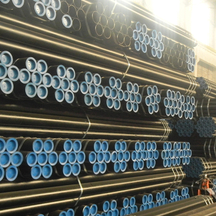
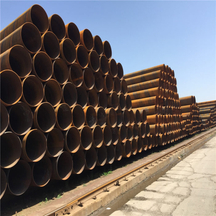
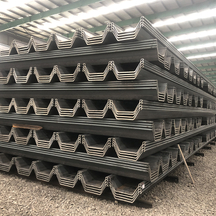
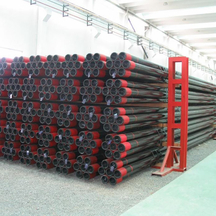
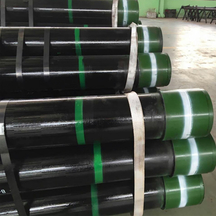
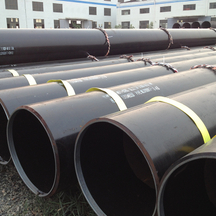
Select high-quality steel pipes to reduce welding defects and ensure pipeline reliability. We offer Seamless, ERW, LSAW, SSAW, and Galvanized steel pipes, along with custom solutions. All products meet strict international standards and undergo comprehensive quality inspections.
Enjoy factory-direct pricing, OEM support, and expert technical assistance. Our advanced manufacturing ensures consistent dimensions and superior mechanical strength, minimizing installation issues and extending service life.
We provide flexible global shipping via sea, air, or rail, with export-standard packaging to protect your cargo. Supporting FOB, CIF, CFR, and EXW terms, our experienced team handles all documentation for smooth customs clearance. Choose our reliable steel pipes and dependable logistics for your next construction or industrial project. Contact us today for competitive quotes and professional service!
Conclusion
Weld cracking is a critical defect that affects the strength, safety, and service life of steel pipe systems. Cracks can appear in the weld metal, heat-affected zone (HAZ), fusion line, or adjacent base metal—often resulting from improper procedures, unsuitable materials, residual stress, hydrogen contamination, poor joint preparation, or environmental factors.
Key Prevention Measures:
Select certified steel pipes and compatible welding materials
Follow qualified welding procedures (WPS) with controlled heat input
Apply preheating and post-weld heat treatment (PWHT) when necessary
Ensure accurate joint preparation and clean surfaces
Conduct regular visual and NDT inspections (UT, RT, MT, PT)
Supplier Selection Matters: High-quality pipes with consistent mechanical properties and weldability—combined with technical support—reduce defect risks and improve long-term performance.
FAQ:
FAQ 1: What is the most common cause of cracks in steel pipe welds?
Hydrogen-induced cracking, excessive residual stress, improper welding parameters, and unsuitable materials are among the most common causes. Proper welding procedures and quality materials significantly reduce the risk.
FAQ 2: Can weld cracks be repaired?
Yes. Small cracks can often be removed by grinding or gouging and then re-welded following an approved repair procedure. The repaired weld should be inspected using appropriate non-destructive testing methods.
FAQ 3: How can I tell if a steel tube weld has cracked?
Common signs include visible surface cracks, leakage, unusual deformation, or defects detected through ultrasonic, radiographic, magnetic particle, or dye penetrant inspections.
FAQ 4: Does preheating help prevent weld cracking?
Yes. Preheating slows the cooling rate, reduces residual stress, minimizes hydrogen accumulation, and lowers the likelihood of cold cracking, especially in thicker or high-strength steel pipes.
About Us / News / Product / Project / Quality Assurance / Service / Contact Us