Views: 1 Author: Site Editor Publish Time: 2025-11-25 Origin: Site
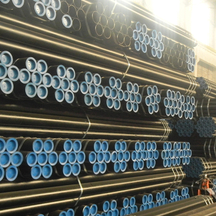
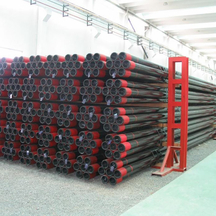
TP310S seamless stainless steel pipe, as a high-performance material, is widely used in industrial fields, especially exhibiting excellent performance in high-temperature, high-pressure, and corrosive environments.
Details of TP310S Seamless Stainless Steel Pipe
TP310S seamless stainless steel pipe products should meet the requirements of TSG D7002 Pressure Piping Component Type Test Rules.
Chemical composition of TP310S seamless stainless steel pipe: Carbon: 0.08%, Silicon: ≤1.5%, Manganese: ≤2.0%, Phosphorus: ≤0.035%, Sulfur: ≤0.030%, Nickel: 19.00~22.00%, Chromium: 24.00~26.00
Common specifications of TP310S seamless stainless steel pipe: Outer diameter 57mm~1626mm, wall thickness 1.2mm~60mm.
First, Overview of TP310S Seamless Stainless Steel Pipe.
ASTM A312 and SA312 standards are developed by the American Society for Testing and Materials (ASTM) and the American Society of Mechanical Engineers (ASME), respectively, to regulate the production and inspection of austenitic stainless steel seamless and welded pipes. TP310S is a stainless steel grade, belonging to the high-chromium-nickel austenitic stainless steel series. It is widely used in various industrial fields due to its excellent high-temperature oxidation resistance and good corrosion resistance. ASTM A312 TP310S is mainly applicable to seamless steel pipes, while SA312 TP310S covers both seamless and welded types, but the material properties and applications are basically the same.
Second, the material properties and properties of TP310S seamless stainless steel pipes.
1. High-temperature strength: TP310S stainless steel can maintain high strength and good oxidation resistance at temperatures up to 1150°C, making it an ideal material for high-temperature furnace tubes, heat exchangers, and other equipment.
2. Corrosion resistance: Although TP310S is mainly used in high-temperature environments, it also exhibits good resistance to various corrosive media, such as sulfuric acid, phosphoric acid, and some organic acids, making it suitable for industries such as chemical and petroleum refining.
3. Weldability: Due to its low sulfur content, TP310S stainless steel exhibits excellent weldability and can be joined using various welding methods such as TIG, MIG, and arc welding. The welded joints are strong and resistant to hot cracking.
4. Machining Performance: Although its hardness is relatively high, TP310S stainless steel retains good machinability with appropriate heat treatment, facilitating bending, stamping, and other forming operations.
Third, Application Areas of TP310S Seamless Stainless Steel Pipes
1. Petrochemical Industry: Due to its high-temperature resistance and corrosion resistance, TP310S seamless stainless steel pipes are commonly used in key components such as heating furnace tubes, internal reactor components, and heat exchanger tube bundles.
2. Energy Industry: TP310S stainless steel is widely used in power plant boilers, gas turbine hot-end components, and nuclear waste treatment facilities due to its excellent heat resistance and radiation stability.
3. Food Processing: Although less commonly used for direct food contact surfaces, TP310S stainless steel pipes are favored for their hygiene and corrosion resistance in the heating and cooling systems of food processing equipment. 4. Environmental Protection and Waste Treatment: In incinerators and desulfurization/denitrification units, TP310S stainless steel, due to its ability to withstand high-temperature corrosive environments, has become a key material for treating harmful waste gases.
Fourth, Manufacturing Process and Quality Control of TP310S Seamless Stainless Steel Pipes
TP310S seamless stainless steel pipes are typically manufactured using hot rolling, cold drawing, or extrusion processes. Strict control of chemical composition, heat treatment parameters, and surface quality is required during manufacturing to ensure the final product's performance meets standard requirements.
- Chemical Composition Control: Through precise batching and smelting processes, the elemental content of each batch of material is ensured to meet ASTM/ASME standards.
- Heat Treatment: Solution treatment (typically rapid cooling from 1010°C to 1150°C) enhances the material's corrosion resistance and high-temperature strength.
- Non-Destructive Testing: Methods such as ultrasonic testing and eddy current testing are used to detect internal defects in the pipe, ensuring product quality.
- Surface Treatment: Processes such as pickling and polishing improve the surface finish and corrosion resistance of the steel pipe.
Fifth, Advantages of TP310S Seamless Stainless Steel Pipe
- Extremely high temperature resistance, suitable for extreme high-temperature environments.
- Good corrosion resistance, suitable for various corrosive media.
- Excellent weldability and machinability, facilitating installation and maintenance.
Sixth, Conclusion
TP310S seamless stainless steel pipe, with its superior high-temperature performance and corrosion resistance, plays an irreplaceable role in many fields such as petrochemicals, energy, food processing, and environmental protection. With the continuous advancement of industrial technology, the requirements for material performance are increasing, and the research and application of TP310S stainless steel will become more in-depth. In the future, through material modification and manufacturing process optimization, its application areas are expected to be further broadened, the comprehensive performance of the material improved, and the needs of more stringent industrial demands met. At the same time, industry practitioners should continuously pay attention to updates to material standards to ensure that the selected materials meet the latest specifications and safety requirements, guaranteeing the safe and reliable operation of engineering projects.
About Us / News / Product / Project / Quality Assurance / Service / Contact Us