Views: 3 Author: Site Editor Publish Time: 2025-12-19 Origin: Site
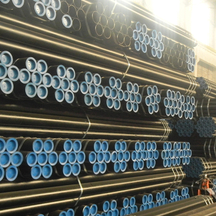
ASTM A312 TP304L stainless steel seamless pipe, as one of the two widely used stainless steel materials in the industrial field, has become an indispensable component in many industries due to its unique properties and wide range of applications. This article will provide a detailed introduction and analysis of ASTM A312 TP304L stainless steel seamless pipe from the aspects of material properties, manufacturing process, application areas, and usage precautions.
Chemical composition of ASTM A312 TP304L stainless steel pipe: Carbon: ≤0.030, Silicon: ≤1.0, Manganese: ≤2.0, Phosphorus: ≤0.040, Sulfur: ≤0.030, Nickel: 8.0~12.00, Chromium: 18.00~20.00
First, the material properties of ASTM A312 TP304L stainless steel seamless pipe:
ASTM A312 is a standard developed by the American Society for Testing and Materials (ASTM) for seamless and welded stainless steel pipes. TP304L is a stainless steel grade, belonging to the austenitic stainless steel series. The main chemical composition of TP304L stainless steel includes chromium: 18%-20%, nickel: 8%-12%, and a small amount of carbon: ≤0.03% which is added to reduce the formation of chromium carbide, thereby improving the material's resistance to intergranular corrosion.
Compared to standard 304 stainless steel, TP304L has a lower carbon content, which reduces carbide precipitation during welding, effectively preventing intergranular corrosion in the weld and heat-affected zone, especially at high temperatures. Furthermore, TP304L stainless steel possesses good corrosion resistance, high-temperature resistance, and excellent mechanical properties, such as high yield strength and tensile strength, as well as good toughness, allowing it to maintain stable performance in various extreme environments.
Second, the manufacturing process of ASTM A312 TP304L stainless steel seamless pipes
ASTM A312 TP304L stainless steel pipes are divided into seamless steel pipes and welded steel pipes, each with its own unique manufacturing process.
Seamless steel pipe manufacturing process: Seamless steel pipes are typically manufactured using either hot rolling or cold drawing. Hot-rolled seamless steel pipes are produced by heating stainless steel billets to a temperature conducive to good plasticity, piercing them on a rotating piercing mill, and then performing rolling and stretching processes to form pipes of the required dimensions. Cold-drawn seamless steel pipes are produced at room temperature by stretching hot-rolled pipes or existing seamless steel pipes using dies to achieve higher dimensional accuracy and surface finish. Seamless steel pipes, due to the absence of weld seams, have high overall strength and are suitable for harsh environments such as high pressure and high temperature.
Welded steel pipe manufacturing process: Welded steel pipes are made by rolling stainless steel strips or plates into a tubular shape and then welding longitudinal or circumferential seams using automated welding equipment. After welding, the inner and outer walls are usually polished to improve surface quality and corrosion resistance. Welded steel pipes have high production efficiency and relatively low cost, making them suitable for applications where strength requirements are not extremely high but corrosion resistance is essential.
Third, Application Areas of ASTM A312 TP304L Stainless Steel Seamless Pipes
ASTM A312 TP304L stainless steel pipes are widely used in various industries due to their excellent corrosion resistance and good mechanical properties:
1. Chemical Industry: Due to their excellent chemical corrosion resistance, TP304L stainless steel pipes are used to transport various corrosive media, such as acids, alkalis, and salt solutions.
2. Oil and Gas Industry: In the extraction, transportation, and processing of oil and gas, TP304L stainless steel pipes are the preferred material for key components such as pipelines, wellhead equipment, and valves due to their high temperature, high pressure, and corrosion resistance.
3. Food Processing Industry: Because stainless steel is non-toxic, harmless, and easy to clean, TP304L stainless steel pipes are widely used in food processing equipment, such as pipelines, storage tanks, and agitators, ensuring food hygiene and safety.
4. Medical Devices: Due to its good biocompatibility and corrosion resistance, TP304L stainless steel is used in the manufacture of various medical devices, such as surgical instruments and implants.
5. Construction Industry: In structural engineering projects such as high-rise buildings, bridges, and stadiums, TP304L stainless steel pipes are often used as structural supports and decorative materials due to their high strength and good corrosion resistance.
Fourth, Precautions for Using ASTM A312 TP304L Stainless Steel Seamless Pipes
Although ASTM A312 TP304L stainless steel pipes have many advantages, the following points should still be noted in actual use:
1. Material Selection and Matching: Select appropriate pipe type and wall thickness according to the specific usage environment and media characteristics to ensure the safety and economy of the pipeline system.
2. Welding Process: During welding, appropriate welding methods and welding materials must be selected, and welding parameters must be strictly controlled to avoid welding defects such as cracks and slag inclusions, which affect the corrosion resistance and strength of the pipeline.
3. Surface Treatment: For welded steel pipes, necessary surface treatments, such as pickling and passivation, should be performed after welding to improve their corrosion resistance. At the same time, the surface condition of the pipeline should be checked regularly, and any adhering substances should be cleaned promptly to prevent corrosion.
4. Installation and Maintenance: During installation, relevant specifications should be followed to ensure the correct installation and sealing of the pipeline system. During operation, the operating status of the pipeline system should be checked regularly to promptly identify and address potential problems and extend the service life of the pipeline. 5. Temperature Control: Although TP304L stainless steel has good high-temperature resistance, creep and stress relaxation may still occur under long-term exposure to high temperatures. Therefore, the impact of temperature on material properties should be considered during the design phase, and the operating temperature range should be set appropriately.
In summary, ASTM A312 TP304L stainless steel pipes and ASTM A312 TP304L stainless steel seamless pipes play a crucial role in industrial production due to their unique material properties and wide range of applications. By gaining a deeper understanding of their material properties, manufacturing processes, application areas, and usage precautions, we can better leverage the advantages of this material and provide safe, reliable, and efficient solutions for industrial production.
About Us / News / Product / Project / Quality Assurance / Service / Contact Us