Views: 13 Author: Site Editor Publish Time: 2025-04-02 Origin: Site
First, the theoretical weight of seamless steel pipe
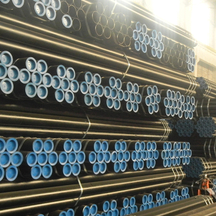
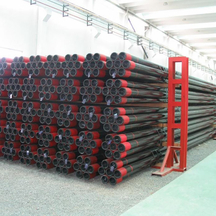
Seamless steel pipe is a common steel product, widely used in oil, natural gas, chemical industry, aerospace, and other fields. For the theoretical weight of seamless steel pipe, we need to explore and analyze from multiple aspects.
1. Calculation method of the theoretical weight of seamless steel pipe
The theoretical weight of seamless steel pipe can be calculated by the following formula: theoretical weight (kg/m) = (outer diameter (mm)-wall thickness (mm)) × wall thickness (mm) × 0.02466. In this formula, we need to know the outer diameter and wall thickness of the seamless steel pipe. The outer diameter refers to the outer diameter of the steel pipe, and the wall thickness is the thickness of the wall of the steel pipe. Through this formula, we can calculate the theoretical weight of the steel pipe per meter.
2. The influence of the material of seamless steel pipe on the theoretical weight
The material of seamless steel pipe is one of the important factors affecting its weight. Steel pipes of different materials have different densities and strengths, so their weights will also vary. Generally speaking, high-strength steel pipes have a higher density, so the weight of steel pipes of the same size will also be relatively large.
3. Difference in theoretical weight of seamless steel pipes of different specifications
The specifications of seamless steel pipes will also affect their theoretical weight. The specifications include the outer diameter and wall thickness of the steel pipe, and the theoretical weight of steel pipes of different specifications will also be different. Generally speaking, steel pipes with larger outer diameters and thicker walls will weigh more.
4. Difference between theoretical weight and actual weight of seamless steel pipes
It should be noted that the theoretical weight is only an estimate calculated based on the specifications and materials of the steel pipe, and it is not completely equivalent to the actual weight of the steel pipe. The actual weight is also affected by factors such as manufacturing process, surface treatment, and material purity. Therefore, in practical applications, we need to consider the impact of these factors on the weight of the steel pipe.
5. The impact of the weight of seamless steel pipes on applications
Steel pipes are widely used in various industries, and the weight of steel pipes plays an important role in the selection and design of their applications. For example, in oil transportation, if oil and gas are to be transported over long distances, then lighter steel pipes will have more advantages; while in the construction field, for occasions with higher load-bearing requirements, it may be more appropriate to choose heavier steel pipes.
In the process of our thinking, we can also consider some other viewpoints to gain more perspectives.
① Material selection: In addition to weight, the material of seamless steel pipes will also affect its corrosion resistance, strength, and other properties. Therefore, when choosing seamless steel pipes, in addition to considering weight, other performance indicators need to be considered comprehensively.
② Improvement of the manufacturing process: The manufacturing process of steel pipes will also affect their weight. By improving the process, the weight of steel pipes can be reduced and their use efficiency and economy can be improved.
③ Environmental protection and sustainable development: With the increasing awareness of environmental protection and sustainable development, the steel industry is also constantly working to reduce resource consumption and environmental pollution. When choosing steel pipes, you can also consider using lightweight materials to reduce the load on the environment.
In summary, the theoretical weight of seamless steel pipes is calculated by outer diameter and wall thickness and is also affected by factors such as material and specification. In practical applications, it is also necessary to consider the impact of factors such as manufacturing process and material purity on the weight of steel pipes. When choosing steel pipes, we can also comprehensively consider other factors, such as material selection, manufacturing process improvement and environmental protection, to meet the needs and requirements of different industries for the weight of steel pipes.
Second: Application of seamless steel pipes
1. Use temperature: Seamless steel pipes are suitable for applications in high temperature environments. High temperatures can cause some materials to expand and contract, so it is necessary to select materials that can withstand high temperatures. Due to its special manufacturing process, seamless steel pipes can maintain good strength and stability at high temperatures, so it is a good choice to use seamless steel pipes under high temperature conditions.
2. Pressure requirements: Seamless steel pipes are usually used in situations where they are subjected to high pressure, such as the oil, gas, and chemical industries. Compared with welded steel pipes, seamless steel pipes have higher strength and can withstand greater pressure. Therefore, seamless steel pipes are a more reliable choice when they need to withstand high pressure.
3. Corrosion resistance requirements: In some corrosive environments, such as seawater, chemicals, etc., traditional steel pipes are easily corroded, thereby shortening their service life. And seamless steel pipes, due to their jointless characteristics, avoid the problem of easy corrosion at the joints, so the use of seamless steel pipes in corrosive environments can improve the corrosion resistance of the material.
4. Structural requirements: Seamless steel pipes are usually used in situations where they are subjected to complex structural forces, such as bridges, buildings, and mechanical equipment. Since seamless steel pipes have excellent mechanical properties and can withstand large tensile, compressive, and bending forces, they are a better choice when complex structural forces need to be withstood.
In addition to the above factors, there are some other alternative perspectives to consider. For example, cost is an important consideration. Compared with welded steel pipes, seamless steel pipes have more complex manufacturing processes and higher costs. Therefore, under limited costs, we need to carefully weigh the necessity of using seamless steel pipes. In addition, there are some special application scenarios to consider. For example, in some occasions with high weight requirements, such as aerospace and automotive manufacturing, lightweight alloy materials or composite materials can be used to replace seamless steel pipes. These materials have the characteristics of high strength and lightness and can meet special requirements.
In general, the choice of seamless steel pipes requires comprehensive consideration of multiple factors, including operating temperature, pressure requirements, corrosion resistance requirements, and structural requirements. At the same time, other perspectives such as cost and special application scenarios can also be considered. Through comprehensive analysis, we can find the most suitable material selection to ensure the safety, reliability, and economy of the project.
About Us / News / Product / Project / Quality Assurance / Service / Contact Us