Views: 4 Author: Site Editor Publish Time: 2026-01-23 Origin: Site
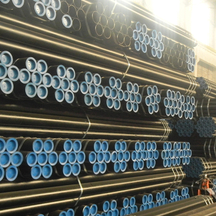
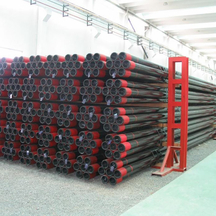
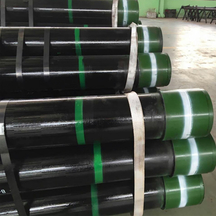
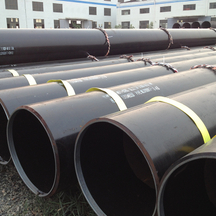
15CrMoG high-pressure alloy steel pipe is a seamless steel pipe made of pearlitic heat-resistant steel. It possesses the typical properties of high-pressure alloy steel pipes and is widely used in industries such as power and petrochemicals that require high-temperature and high-pressure environments. The following is a detailed summary of its properties:
First, what is the material and performance of the 15CrMoG high-pressure alloy steel pipe?
15CrMoG high-pressure alloy steel pipe belongs to the chromium-molybdenum alloy seamless steel pipe category. It contains alloying elements such as chromium and molybdenum, which endow the steel pipe with excellent high-temperature performance and corrosion resistance.
(1) High-Temperature Strength: At high temperatures, 15CrMoG high-pressure alloy steel pipe has high thermal strength (δb≥440MPa), capable of withstanding stress under high-temperature and high-pressure environments, maintaining structural stability and safety.
(2) Oxidation Resistance: 15CrMoG high-pressure alloy steel pipe has good oxidation resistance, enabling long-term use in high-temperature oxidizing environments without significant oxidation corrosion, thus extending the service life of the steel pipe.
(3) Hydrogen Corrosion Resistance: 15CrMoG high-pressure alloy steel pipes also possess a certain degree of resistance to hydrogen corrosion, making them suitable for chemical equipment and other applications in hydrogen-rich environments.
Second, what are the application areas of 15CrMoG high-pressure alloy steel pipes?
(1) Power Industry: 15CrMoG high-pressure alloy steel pipes are widely used in the power industry, mainly for manufacturing high-pressure boilers, superheater tubes, and high- and medium-pressure pipelines with steam parameters of 510℃.
(2) Petrochemical Industry: In the petrochemical field, 15CrMoG high-pressure alloy steel pipes can be used to transport high-temperature and high-pressure fluids, such as synthesis tower outlet pipelines, in environments requiring resistance to hydrogen corrosion.
(3) Other Fields: In addition, 15CrMoG high-pressure alloy steel pipes can also be used in geological drilling, shipbuilding, and other fields as pressure-bearing components or structural parts.
Third, what are the details of the manufacturing process and standard manufacturing process for 15CrMoG high-pressure alloy steel pipes?
The manufacturing process of 15CrMoG high-pressure alloy steel pipes includes two methods: hot rolling (extrusion) and cold drawing (rolling). (1) The hot rolling process includes steps such as billet heating, piercing, and sizing cooling.
(2) The cold drawing process requires annealing, pickling, and multiple cold working processes.
(3) Standards: The standards for 15CrMoG high-pressure alloy steel pipes include GB5310-2008, which specifies the chemical composition, mechanical properties, and dimensional tolerances of the steel pipes, ensuring the quality and reliability of 15CrMoG high-pressure alloy steel pipes.
Fourth, what are the dimensions and specifications of 15CrMoG high-pressure alloy steel pipes?
What are the outer diameter and wall thickness? The outer diameter and wall thickness of 15CrMoG high-pressure alloy steel pipes can be customized according to user needs. Common outer diameter ranges from 16mm to 480mm, and wall thickness ranges from 3mm to 50mm. Length: The length of hot-rolled pipes is usually 3m to 12.5m, while the length of cold-drawn pipes is 1.5m to 9m. Users can choose the appropriate length according to their actual needs.
Fifth, what are the details regarding the welding and heat treatment of 15CrMoG high-pressure alloy steel pipes?
Because 15CrMoG high-pressure alloy steel pipes contain a high content of alloying elements such as Cr and C, the steel has a significant tendency to harden, resulting in poor weldability. Therefore, preheating measures and the use of specialized welding materials are required during the welding process. Heat treatment: Post-weld high-temperature tempering is usually required to eliminate welding stress and improve the joint structure and properties. Precise control of parameters such as heating/cooling rates and holding time is necessary during heat treatment.
About Us / News / Product / Project / Quality Assurance / Service / Contact Us